
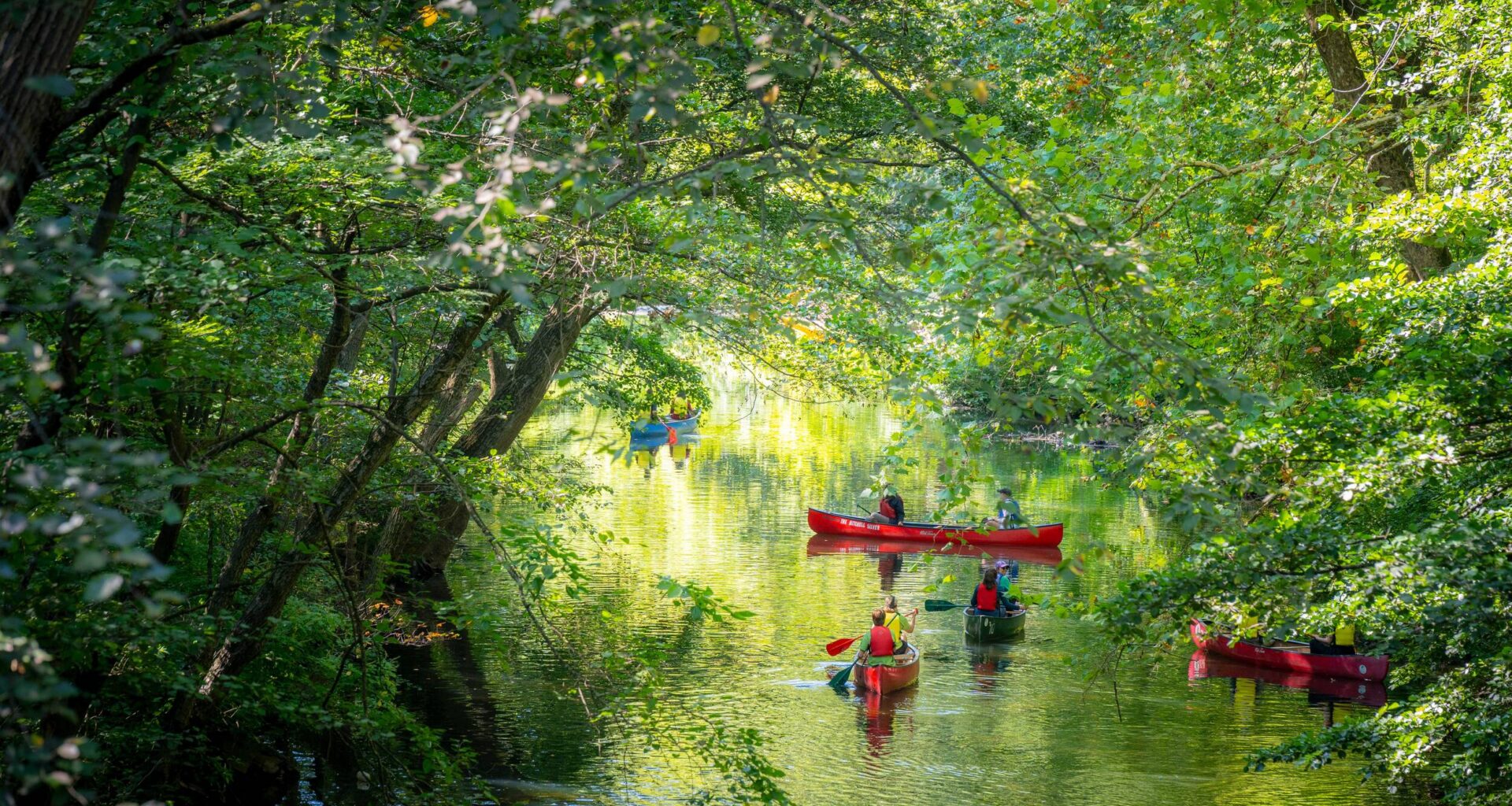
“Together, we can transform the entire watershed.” — Jennifer Bernstein, CEO and William C. Steere Sr. President
This year’s annual Bronx River Assembly convened at NYBG on Thursday, March 5, bringing together organizations, representatives, and councilmembers from around the Bronx River Watershed. Hosted by the New York Botanical Garden, with partners including the Bronx River Alliance, the Federated Conservationists of Westchester County, Westchester County Department of Planning, and Westchester County Parks, the Bronx River Assembly convened partners working across municipalities, disciplines, and communities to strengthen collaboration across the entire watershed. To read more about the history of the Bronx River and NYBG’s involvement in the Bronx River Assembly, please read this post.
NYBG joined the Bronx River Watershed Management Plan Advisory Committee in 2024, building upon our commitment to protecting natural resources and reclaiming and restoring nature in cities. Afterall, the Bronx River was a major part of the reason why NYBG was placed in the Bronx more than 130 years ago. Watch this video to learn more about the management plan.
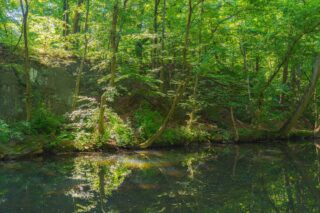
Alone, we can only do so much. But “together, we can transform the entire watershed,” said Jennifer Bernstein, CEO and William C. Steere Sr. President.
The goals of this year’s convening were as follows:
Build a shared understanding of challenges and opportunities across the watershed
Share knowledge and on the groundwork from Westchester and the Bronx
Strengthen relationships that support coordinated stewardship, resilience, and river health
The meeting began with an introduction from Siddhartha Sánchez, Executive Director of Bronx River Alliance, who remarked on several major successes. By the time the last watershed plan was completed in 2010, the Committee was able to finish 85% of the infrastructure projects they had set out to do. The new watershed plan was released in 2025, with a central goal to reduce flooding. Part of this includes a grant to plant over 2,000 trees in the next 10 years, both fortifying natural areas and improving biodiversity. Sánchez emphasized the importance of having decision-makers in the room, enforcing collaboration between the city, state, and federal government.

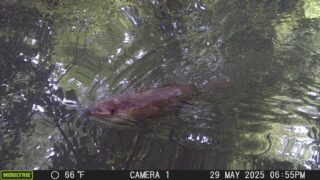
Christian Murphy, Ecology and Education Manager at Bronx River Alliance, ran through the current ‘State of the River.’ Although there are still many issues to address, including sewage, trash, chemical spills, and e-vehicle waste, there is abundant evidence of improving conditions. The Bronx River Alliance has restored over four acres of habitat, their Project WASTE (Waterway And Street Trash Elimination) has removed over 200,000 items weighing over 7 tons from in and around the river, and perhaps the most exciting, a beaver has returned to the Bronx River, a happy indication that things are going in the right direction.
These speakers were followed by a series of brief comments by elected officials, each discussing how the Bronx River affects their district, and emphasizing their commitment and investment in protecting it.
“The river is critical to who we are,” said Westchester County Legislator Erika Pierce.
“We have 1.4 million residents who deserve access to the waterfront and to clean air,” said Vanessa Gibson, Bronx Borough President. She also underscored the right to “accessible greenspaces, health, equity, and environmental justice.”
The panel highlighted real, on-the-ground projects across the Bronx River watershed from forest restoration and flood mitigation to dam removal, access, and community stewardship.
To further understand how the management plan is taking shape on the ground, the panel featured a group of practitioners from across the watershed who are working to restore ecological health, reduce climate risks, improve access to the river, and engage communities in stewardship. The management plan provides a framework to align this work at the watershed scale, ensuring that individual projects contribute to a shared vision for resilience, equity, and ecological health.
This sentiment was put into action through breakout groups that followed the panel, allowing guests within varying organizations to come together and share perspectives at table discussions led by members of the panel. Topics included Climate Resilience and Flooding; Biodiversity and Habitat Connectivity; Access, Pathways, and Public Engagement; and Implementation and Coordination.
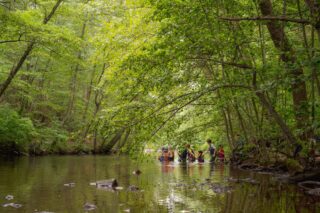
During his discussion, Matt Castro, Manager of the Westchester County Soil & Water Conservation District, noted the cyclical nature of advocacy. Community drives restoration, and restoration in turn drives community. If you keep the banks of the river clean, residents will not only enjoy it together, but will also be motivated to keep the river healthy.
“What you do upstream from another affects those downstream,” said Castro. “Projects and water bodies span multiple communities.”
He gave the analogy of his kids creating crafts across the table from each other. If one spills water that runs through their sibling’s art, well, that’s an issue of watershed management.
Of course, it’s much more complicated than that, but just like any issue—big or small—the most powerful sentiment is that if we work together and combine our individual efforts, change will occur for the betterment of everyone—humans, ecosystems, animals, and plants alike.
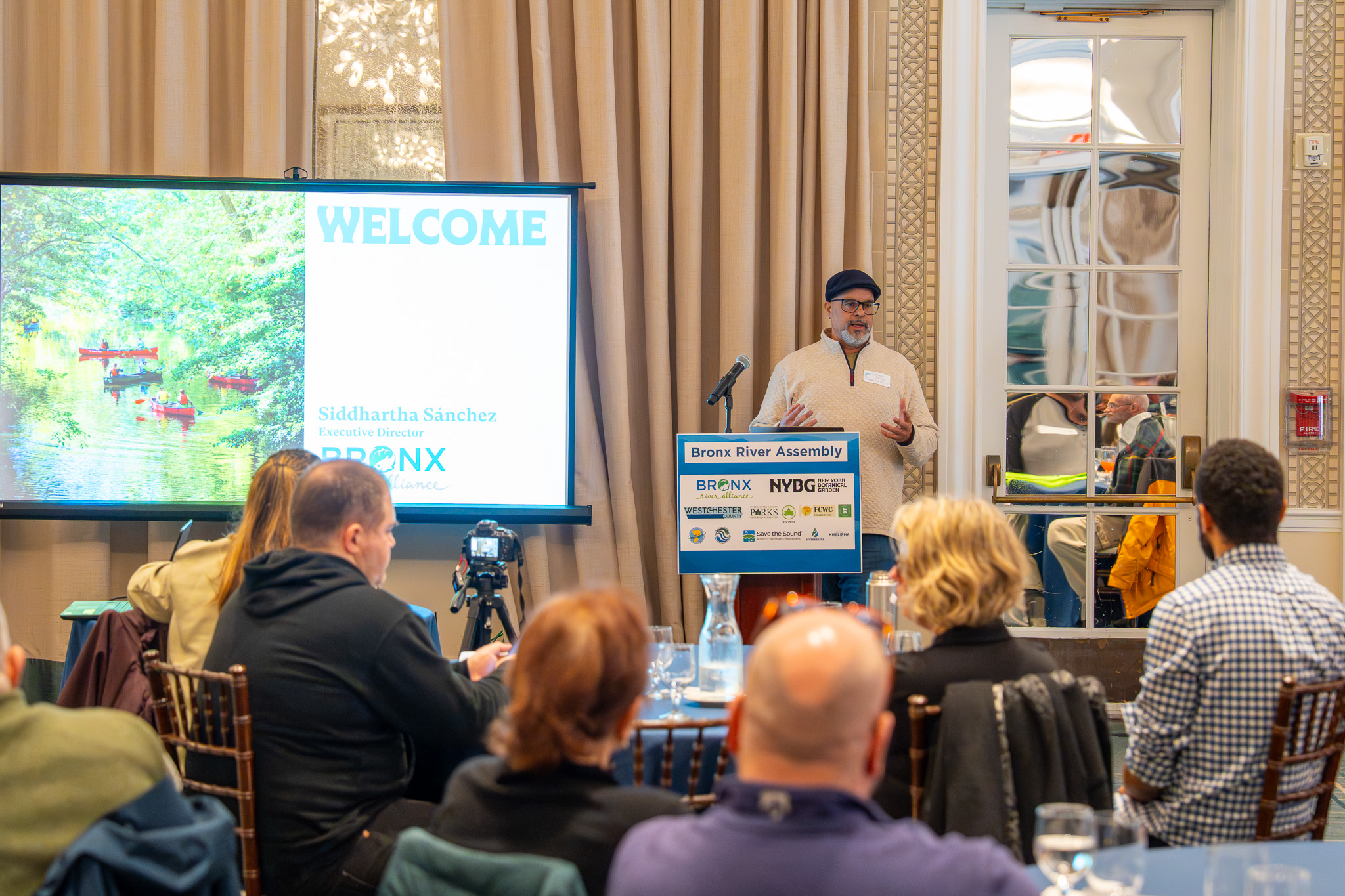
Siddhartha Sánchez, Executive Director of Bronx River Alliance, opens the Bronx River Assembly and dives into the 2026 goals.
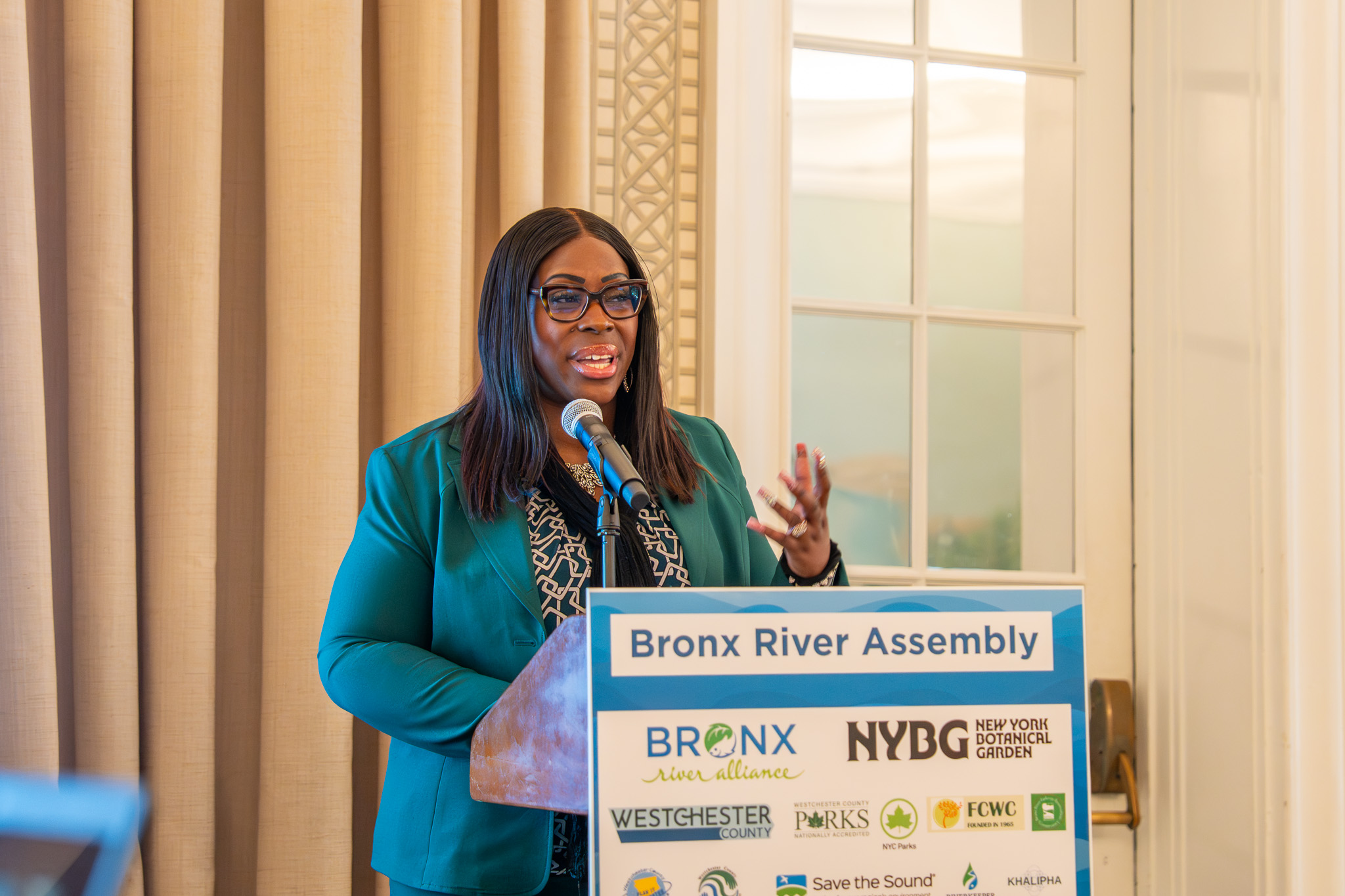
Bronx Borough President Vanessa Gibson talks about the importance of community driving restoration.
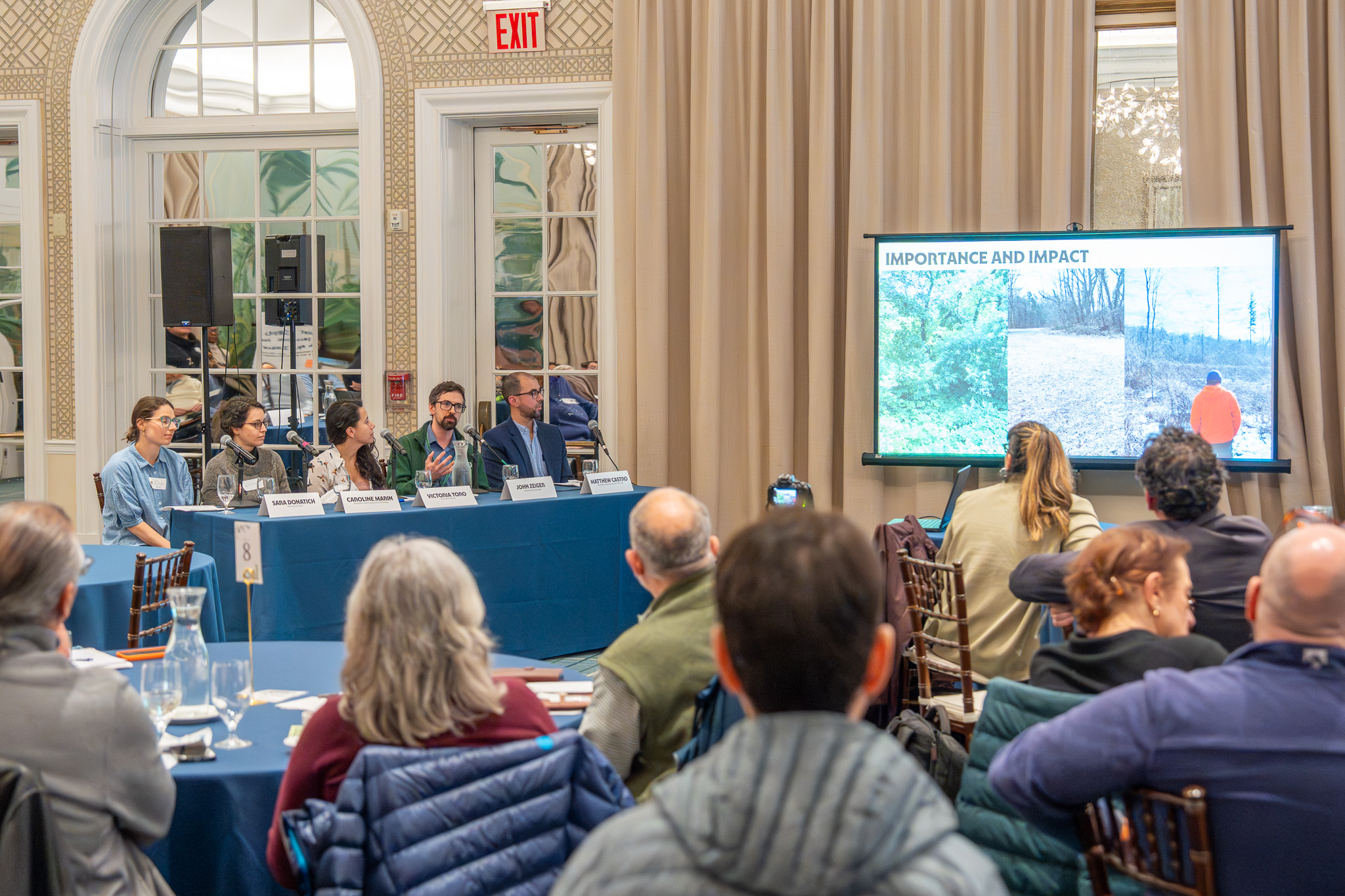
A panel of practitioners speaks about their involvement and achievements in preserving the Bronx River.