
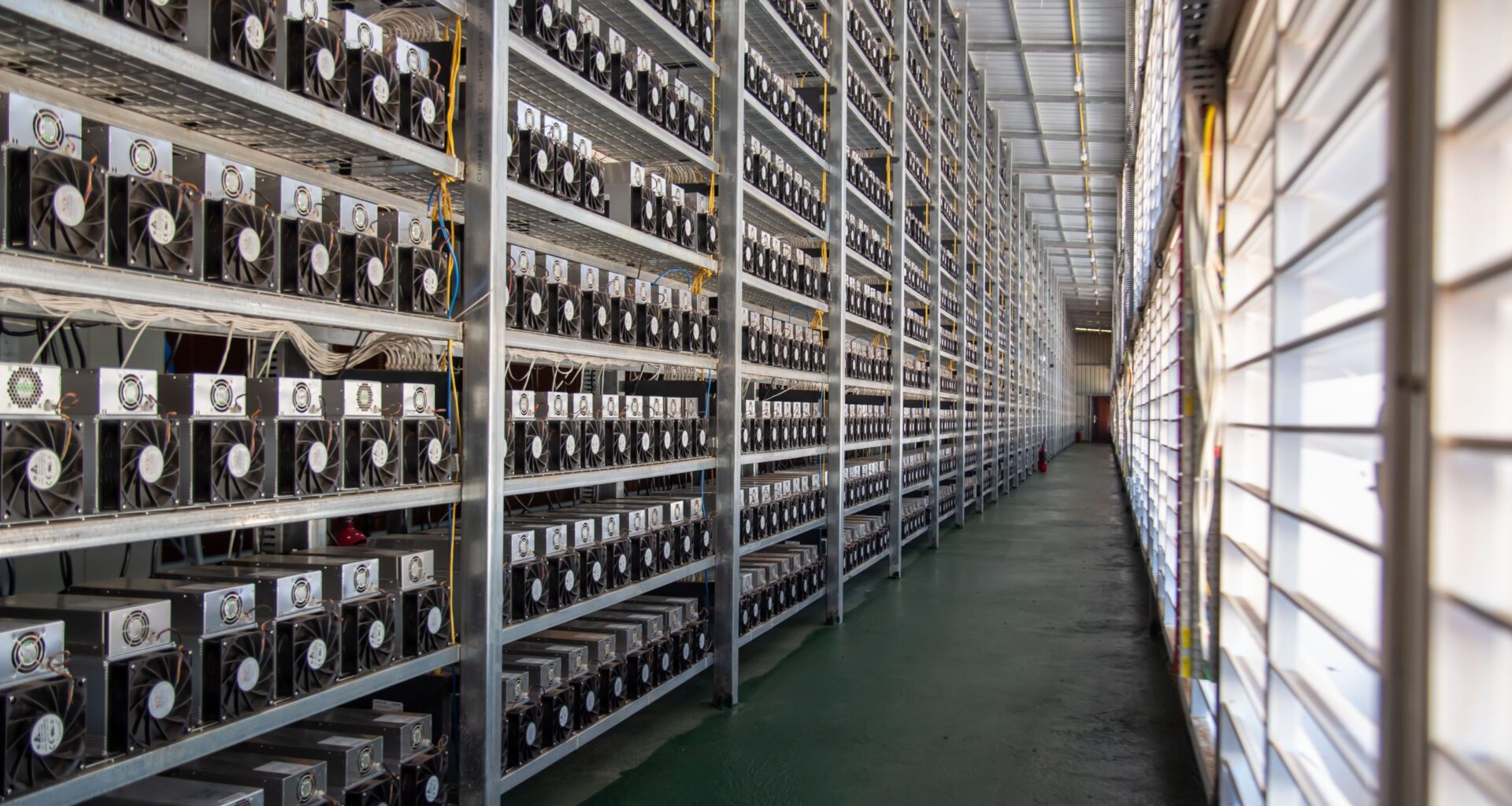
Data centers demand power. They guzzle water. They may hike energy bills.
In Memphis, for example, a gas-powered data center for artificial intelligence increased local air pollution, gulped about 150 homes’ worth of water in a month and could consume as much electricity as 200,000 homes in a year. In the mid-Atlantic region, data center development significantly drove up utility bills.
New York hasn’t experienced a data center boom yet, but lawmakers are looking to get ahead of a potential proliferation — with affordability at top of mind.
Data centers house machines that process and store digital information. These centers can run crypto-currency mining, AI and other computing activities — and are particularly power-hungry.
The centers could further tax New York’s strained power grid and hit New Yorkers’ wallets.
States like Texas and Virginia have led the way in data center expansion, with New York lagging behind. There are less than 20 large data centers around the state, according to various trackers. But New York could see major growth.
The New York State Independent System Operator (NYISO) estimates electricity demand could increase by nearly 70% by 2030, thanks to the expansion of electric heat and other electric systems in buildings, as well as large projects like data centers. Dozens of other projects have collectively requested to pull thousands of megawatts of power from the state’s grid.
“It’s a concern because we’re not adding commensurate supply to meet that forecasted demand,” said Kevin Lanahan, vice president of external affairs at NYISO, which operates the grid.
About 30 projects that could become possible data centers requested connections to the grid between 2020 and the end of 2025, according to an analysis by THE CITY of data from NYISO. The average size for each of those projects is nearly 300 megawatts.
For comparison, Empire Wind, the in-progress offshore wind project that has the potential to power half a million New York City homes, has a capacity of 810 megawatts.
The expansion of centers without adequate upgrades to the grid and enough energy supply could jeopardize the reliability of power. But the cost of investing to accommodate data centers could end up being passed to consumers. That’s because utilities companies like Con Edison are allowed to make a return on investments into the system that delivers the energy, which shows up as rate hikes on customer bills.
Gas generates the majority of the city’s electricity, so as gas becomes more expensive due to increased demand, electricity bills can climb too. (While your energy bills have likely spiked this winter, data centers aren’t to blame just yet.)
Getting Ahead of the Grid
Gov. Kathy Hochul has floated proposals to protect ratepayers from the cost of future data centers. She wants to require data centers to provide their own power so they’re not taxing the grid, or to pay a premium to make sure regular customers don’t pay more. (On the federal level, lawmakers have introduced legislation that aims to do the same thing.)
Hochul also directed the state Public Service Commission, which oversees utilities, to examine how projects with large demands for energy connect to the grid and pay for expansion.
New York lawmakers proposed a bill that would impose a moratorium on some new data centers — those over 20 megawatts — for three years, during which time the state could create regulations to address the centers.
Sen. Liz Krueger (D-Manhattan), who sponsors the bill, said the moratorium would allow New York to prepare for the energy-gobbling facilities.
“It’s time to hit the pause button, give ourselves some breathing room to adopt strong policies on data centers and avoid getting caught in a bubble that will burst and leave New York utility customers footing a huge bill,” Krueger said in a statement.
More than 100 environmental and community organizations, coordinated by Food and Water Watch, signed on to a letter penned earlier this month urging for the moratorium.
Alex Beauchamp, northeast region director at Food and Water Watch, said a moratorium would allow New York the time to approach the “thorny policy problems” posed by data centers.
“Tech is seeking to go fast, and our regulators don’t go that fast so, at a bare minimum, we’re hoping to pause to figure this out,” he said.
But the Digital Chamber’s Digital Power Network, a coalition representing Bitcoin miners, has lobbied to oppose the moratorium, arguing the state would miss out on building important infrastructure and that data center growth could actually prove beneficial to the grid.
“If the moratorium were to pass, New York would be forfeiting one of its most critical grid assets along with the benefits associated with the industry,” said Sonya Murphy, senior policy associate at the network, in a statement.
Hochul hasn’t said whether she supports the moratorium idea.
New Power Generation
Most of the proposed data centers — or possible data centers, as NYISO’s data doesn’t always indicate the details of each project — are not in New York City, but upstate. Still, upstate growth of data centers and other energy-guzzling projects could affect residents of the five boroughs because the power systems are interconnected, said Lanahan, of NYISO.
“Much of the generation that New Yorkers are consuming is coming from upstate,” he said. “If there’s increased consumption and stress on the system in Westchester County or north, that can impact the price and the reliability for city residents.”
There’s one possible data center close to New York City, at the location of the former Indian Point nuclear plant in Westchester County — though that plan is not set in stone, said Patrick O’Brien, director of government affairs and communications at Holtec International.
O’Brien said the company inquired whether there’s enough power available for operating a data center there as part of a concept to reuse a decommissioned site, but would need to do more work and find a partner to actually move forward.
That’s the only project that has been floated in Con Ed’s territory so far, and the utility company — which serves gas and electric customers in New York City and Westchester — said it’s preparing.
“Our existing rules and processes have mechanisms in place to appropriately balance the impacts of bringing new customers onto the grid,” said Jamie McShane, a Con Ed spokesperson. “We are working with our regulator, the NYISO and other stakeholders to evaluate the impacts of large energy users on the grid, while ensuring other customers are protected from unreasonable costs.”
Vivek Shastry, a senior research associate at Columbia University’s Center on Global Energy Policy, said data centers are becoming more efficient and offer possible benefits. For instance, the excess heat data centers give off can be used to heat nearby buildings and homes.
“There has been a voluntary shift from a lot of companies: for example, Microsoft and Anthropic came out and said that they want to be a good neighbor and want to pay their fair share of the costs,” Shastry said. “But at the same time, it’s really up to the public service commissions and the utilities to determine how much of those costs and how to allocate the relevant pieces of those costs to the data centers.”
Related