
Nearly one in five children in New York State lives in poverty — a rate that surpasses the national average, according to New York State United Teachers. That single statistic is now the centerpiece of a new film the union hopes will change how lawmakers and communities respond to the crisis in their schools.
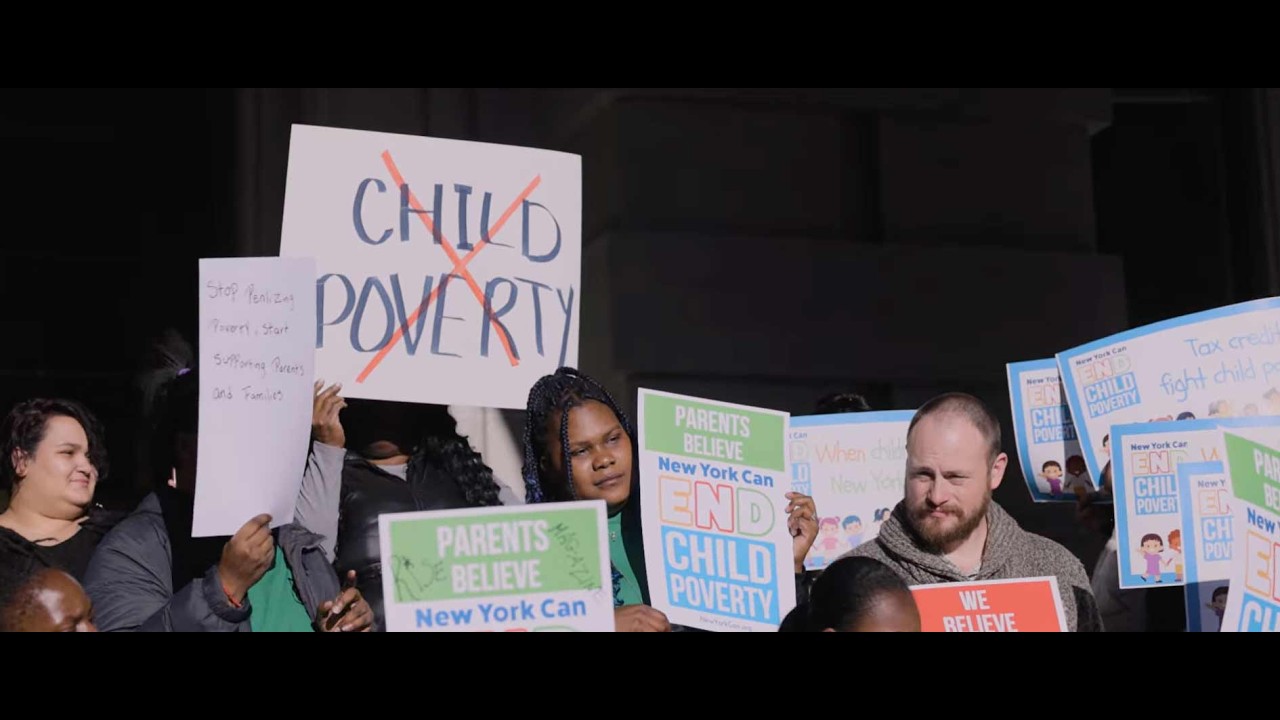
The film, titled “1 in 5,” was released by NYSUT as part of a statewide campaign pushing community schools as a direct, proven response to childhood poverty. It’s not just a documentary — union officials are framing it as a call to action aimed squarely at policymakers currently negotiating the state budget.
With millions of New York children affected and real funding proposals already on the table in Albany, the film arrives at a moment when the debate over how to support struggling students is anything but abstract.
What the Film “1 in 5” Is Actually Saying
NYSUT didn’t make a film about poverty in the abstract. “1 in 5” features educators from rural, suburban, and urban school districts across New York, grounding the issue in the daily realities teachers witness firsthand. Students showing up to class without adequate housing, clothing, or access to healthcare. Kids whose ability to learn is undermined before they ever sit down at a desk.
The film’s message is deliberate: poverty isn’t just a social issue that happens outside school walls. It follows children through the front door every single day, and schools are often the only institutions positioned to respond.
“‘1 in 5’ is a call to action. New York is one of the wealthiest places in the world, yet too many students are held back by poverty. That is unacceptable. Childhood poverty is not inevitable; it is the result of policy choices, and community schools are a proven, effective solution.” — NYSUT President Melinda Person
That framing — poverty as a policy choice rather than an unchangeable condition — is central to what NYSUT is arguing. And the solution they’re pushing has a specific name: community schools.
What Community Schools Actually Do for Kids in Poverty
The community school model isn’t a new concept, but it’s gaining renewed attention as a practical tool for addressing the overlapping challenges that come with childhood poverty. Rather than treating academic outcomes in isolation, community schools bring wraparound services directly into school buildings.
According to NYSUT, those services include:
Healthcare access for students and families
Mental health support
Food access programs
Transportation assistance
The idea is straightforward: if a child is hungry, sick, or unstable at home, no amount of classroom instruction is going to close the gap. Community schools try to remove those barriers before they derail a student’s education entirely.
Officials pointed to a Bronx middle school that reported improved attendance after adopting the community school model. Similar results have been documented in California, suggesting the approach can work across very different communities and demographics.
The Funding Fight Happening Right Now in Albany
The release of “1 in 5” isn’t just about raising awareness — it’s timed to influence an active budget debate in New York State. Both chambers of the legislature have put forward proposals to fund community schools, though the exact amounts differ.
Legislative Chamber
Proposed Community Schools Funding
New York State Senate
$105 million
New York State Assembly
$100 million
The gap between the two proposals is relatively modest — $5 million — which may make a final agreement more achievable than in past budget cycles where education funding differences were far wider. Whether the governor’s final budget reflects either number, however, remains to be seen.
NYSUT is clearly using this film to keep public and political pressure on those negotiations. The timing of a statewide media push during budget season is not accidental.
Why This Matters Beyond New York
New York’s child poverty rate already exceeds the national average, which makes the state an especially stark example of a problem that exists everywhere. The wealth of New York — its financial sector, its real estate, its cultural economy — makes the persistence of child poverty more jarring, not less.
Educators featured in the film come from rural, suburban, and urban districts, which is a deliberate choice. Child poverty is often imagined as an urban problem, concentrated in dense city neighborhoods. The film pushes back on that assumption by showing that the same barriers — housing instability, lack of healthcare, food insecurity — show up in very different kinds of communities across the state.
For families in those communities, the community school model represents something concrete: a school building that doesn’t just teach, but actively supports the conditions children need to learn.
What Comes Next for the Campaign
NYSUT has framed “1 in 5” as part of a broader statewide campaign, meaning the film is likely just one piece of a larger advocacy push. With budget negotiations ongoing in Albany, the union will almost certainly use the film to lobby lawmakers directly and build public support for community school funding.
The immediate next step is the state budget itself. Whether legislators land closer to the Senate’s $105 million figure or the Assembly’s $100 million proposal — and whether a final deal includes community school funding at all — will determine how many schools can actually expand or launch these programs in the coming school year.
For the roughly one in five New York children currently living in poverty, that outcome isn’t a budget line. It’s the difference between a school that can help them and one that simply can’t.
Frequently Asked Questions
What is the NYSUT film “1 in 5” about?
“1 in 5” is a film released by New York State United Teachers that highlights childhood poverty across New York State and promotes community schools as a solution. It features educators from rural, suburban, and urban districts.
How many children in New York live in poverty?
According to NYSUT, nearly one in five children in New York State lives in poverty, a rate that exceeds the national average.
What services do community schools provide?
Community schools offer wraparound services including healthcare, mental health support, food access, and transportation assistance to students and their families.
How much funding is being proposed for community schools in New York?
The State Senate has proposed $105 million for community schools, while the State Assembly has proposed $100 million. Both figures are part of their respective budget plans.
Has the community school model been shown to work?
NYSUT officials pointed to a Bronx middle school that saw improved attendance after adopting the community school model, and noted similar results have been reported in California.
Who is leading NYSUT’s push for community schools?
NYSUT President Melinda Person has been a vocal advocate for the campaign, calling childhood poverty “the result of policy choices” and community schools “a proven, effective solution.”