
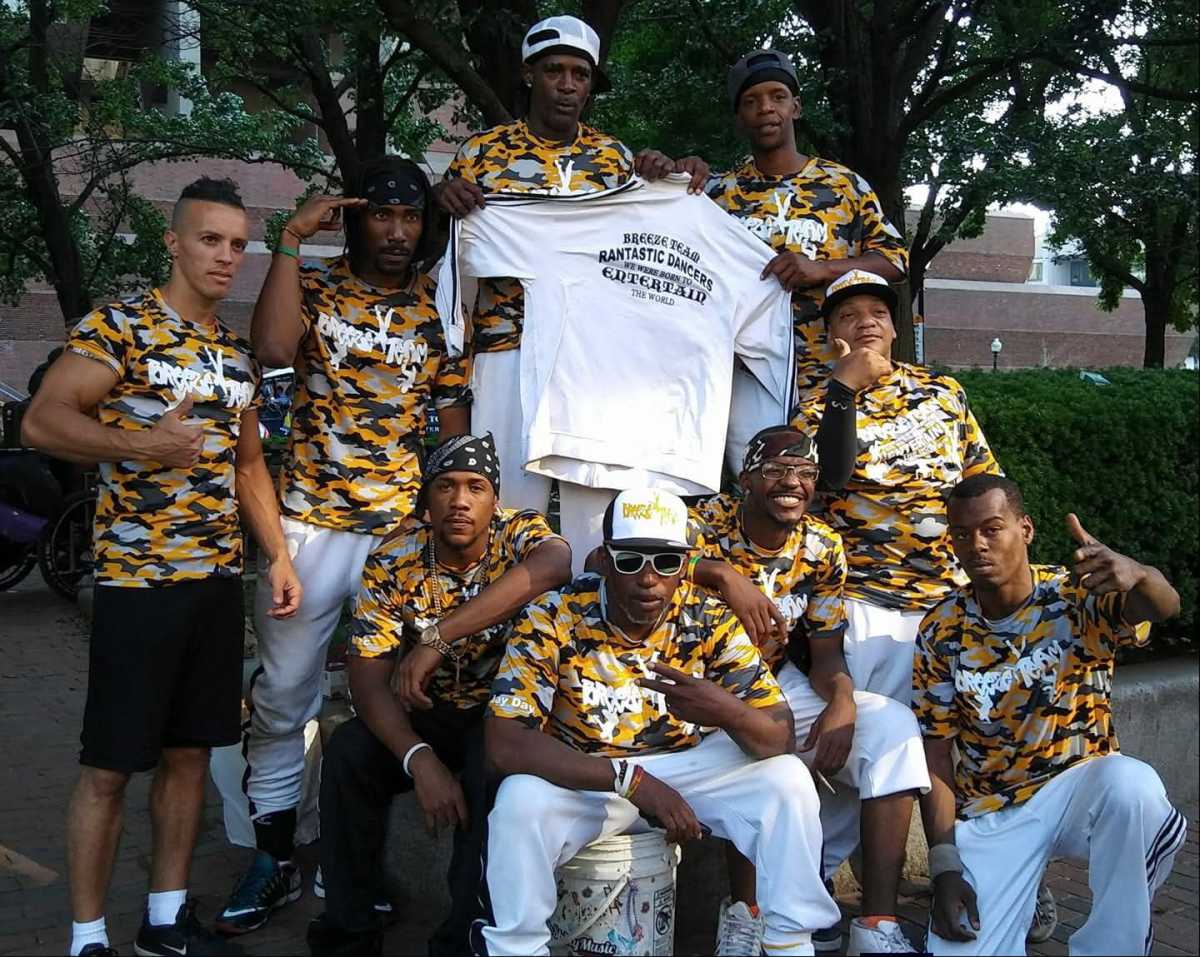
You’ve probably seen them in Times Square: a circle forming on the street, music blasting, flips cutting through the air as a crowd gathers fast. In the middle of it all is the Breeze Team, a street performance crew that has been bringing breakdancing, comedy and high-energy tricks to one of the busiest corners of New York City for decades.
Jay Day, founder of the Harlem Breeze Team, grew up dancing and has been performing since childhood. “I started when I was about nine years old,” he says. “It was just three of us at first.”
What began as a small group of kids dancing in Harlem slowly grew into something bigger. The team eventually brought their talent downtown, turning street performance into both a craft and a livelihood.
“We started taking our talent downtown to Midtown to try to make some money,” Jay Day says. “Once we realized we could actually make money doing it, we started performing every day, and teaching other people too.”
At its core, the Breeze Team’s show is rooted in hip-hop’s street origins. The performance blends breakdancing, acrobatics and crowd interaction into a fast-paced spectacle that stops pedestrians in their tracks.
“We breakdance. We B-boys,” Jay Day says. “You see it on TV, but we got the real stuff on the streets. That’s where it comes from. We got popping, locking, breaking, flipping, comedy, everything,” he adds. “It’s a whole show.”
Most days, you can find the team performing along Broadway between 42nd and 46th streets, often from late morning into the early evening. Times Square, Jay Day says, wasn’t chosen randomly; it was strategic.
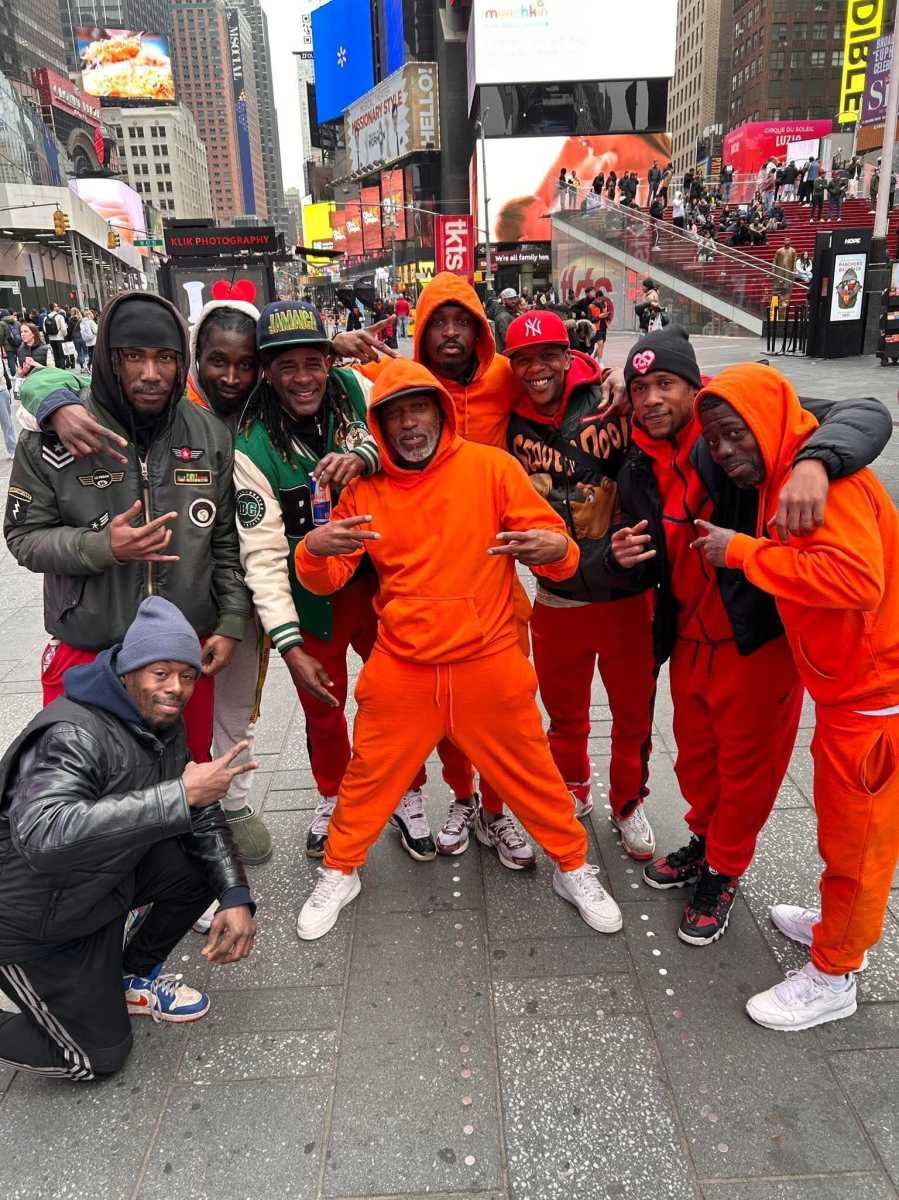 The Breeze Team in Times SquarePhoto courtesy of the Harlem Breeze Team
“That’s where everybody is at,” he says. “You got the hotels, the plays, everything. If you perform there, everybody’s going to see it, so why not?”
That visibility comes with pressure. Times Square crowds can be unpredictable, and the first time the team stepped into the space, they weren’t sure how it would go. “The first time we went out there we were scared,” Jay Day recalls. “We were like, ‘Is this going to work? Are people going to stop?’ But once the crowd started watching and laughing, we knew we had something.”
Now the reactions are part of the reward. The performances don’t just entertain, they shift the mood of the street. “Some people walk by sad, but after they watch our show they’ll say, ‘Y’all made my day,’” he says. “That’s the best part.”
While locals may recognize them as a familiar part of the Times Square landscape, tourists often bring a different kind of energy. “New Yorkers already know us, they see us all the time,” Jay Day says. “But when the tourists come, the energy gets even bigger. They get really excited.”
Some of the most memorable reactions come when younger dancers join the circle. “When we had kids out there doing headspins and windmills, the crowd went crazy,” he says. “It felt like a stadium.”
For Jay Day, the work goes beyond entertainment. After decades performing, he sees himself as a mentor to the next generation of dancers.
“I’m 56 years old,” he says. “What keeps me going is the young kids. I’m a role model to them. They look up to me. I’m like the Godfather.”
That role carries responsibility. Jay Day believes hip-hop and street performance have helped many young people find a path away from trouble. “This culture helped a lot of us stay away from drugs and crime,” he says. “If kids see us out there doing something positive, they want to do what we do.”
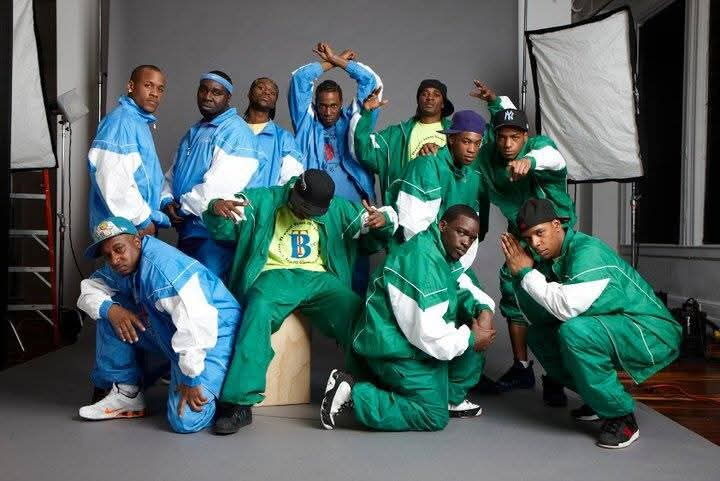 The Breeze Team
Despite the physically demanding flips and spins performed on concrete, the team rarely uses protective gear. Years of experience, Jay Day says, have taught them how to move safely. “We trained ourselves dancing on concrete,” he says. “No knee pads, no nothing. We just get busy.”
Performing outdoors also means adapting to New York’s unpredictable weather. The team adjusts when they can, but the show usually goes on. “In the summer, if it’s 90 degrees, we wait until the sun goes down,” Jay Day says. “In the winter we still dance: September, October, November, December, sometimes even January.”
Through it all, the Breeze Team remains part of a long tradition of New York street performers who transform sidewalks into stages.
“When people come to Times Square, they come and see us,” Jay Day says. “They’ll ask around like, ‘You seen the dancers?’”
For him, the motivation remains simple. “This is my passion,” he says. “I make a living off it. I support my family and my grandkids.”
And after thousands of performances and countless crowds, the message he hopes people remember is straightforward. “Remember the name — Harlem Breeze Team,” Jay Day says. “Just keep hip-hop alive.”