
New York Post may be compensated and/or receive an affiliate commission if you click or buy through our links. Featured pricing is subject to change.
Parenting in New York City is not for the weak.
I get asked about it all the time, and sure, I tell people it has its perks: beautiful parks, incredible museums, delicious food on every corner. There’s no shortage of kid-friendly activities.
But it also comes with some gnarly challenges, and getting around can be one of the most annoying, especially when you’re navigating the most densely populated city in the U.S. with an immobile newborn or a wildly curious toddler in tow. Enter the ultimate parenting dilemma: finding the right stroller for city-living.
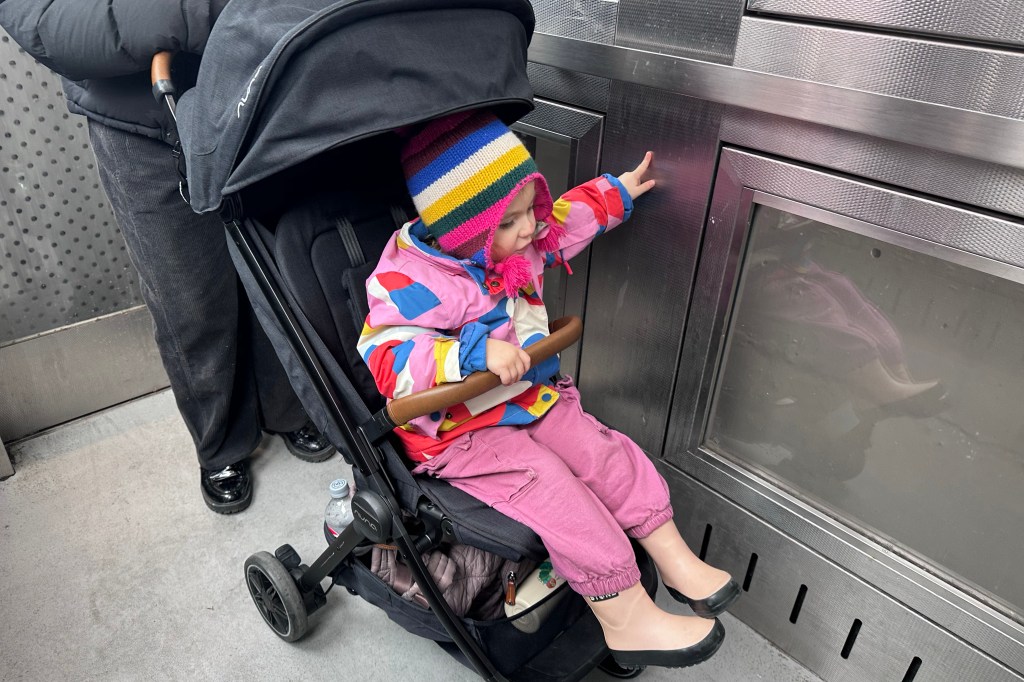
My two-year-old is at that tricky in-between stage; independent enough to insist on inspecting every puddle, person or puppy that walks by, yet still ready for the occasional nap en route to the next spot. For a city stroller, I need something she can hop in and out of easily, something that glides through the subway before the doors close on us, and something that handles potholes, sidewalk cracks, crowds and sharp turns. Basically, I need a unicorn.
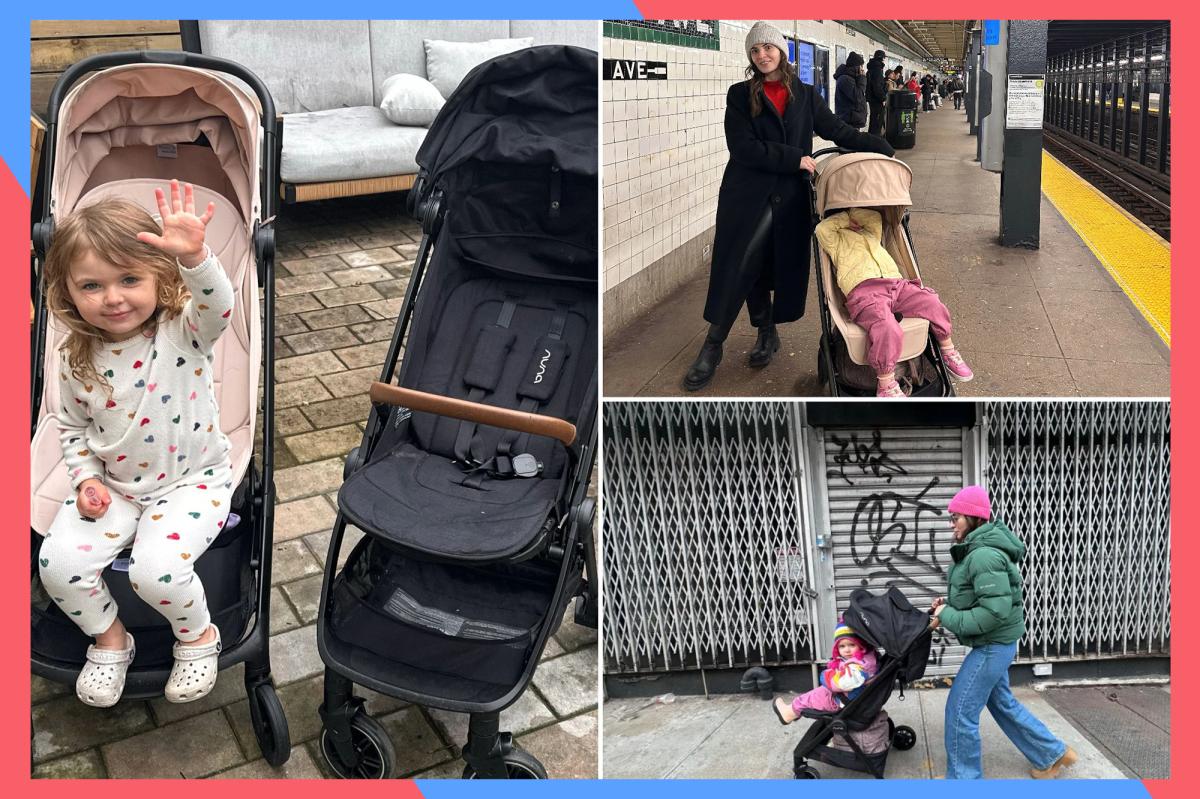
I’ve spent hours researching the best models that meet my criteria — something light, foldable, compact and convenient. After plenty of digging and eyeing out what people and pushing around, I narrowed down my search to two options: the $575 Nuna TRVL and the $599 Bugaboo Butterfly 2.
Both strollers are billed as reliable travel companions, but the Nuna brand leans more into its polished, luxe image, while Bugaboo feels more like a practical, everyday workhorse. The real question is, do they live up to their reputations — and which can truly handle the streets of NYC?
Nuna TRVL vs. Bugaboo Butterfly: My Review
As a shopping writer and toddler mom, I had to test both strollers firsthand to find which stroller is the best for city-living. Over the past two months, I’ve zipped them around NYC, sizing up everything from assembly and foldability to maneuverability and design.
Assembly
 Miska Salemann
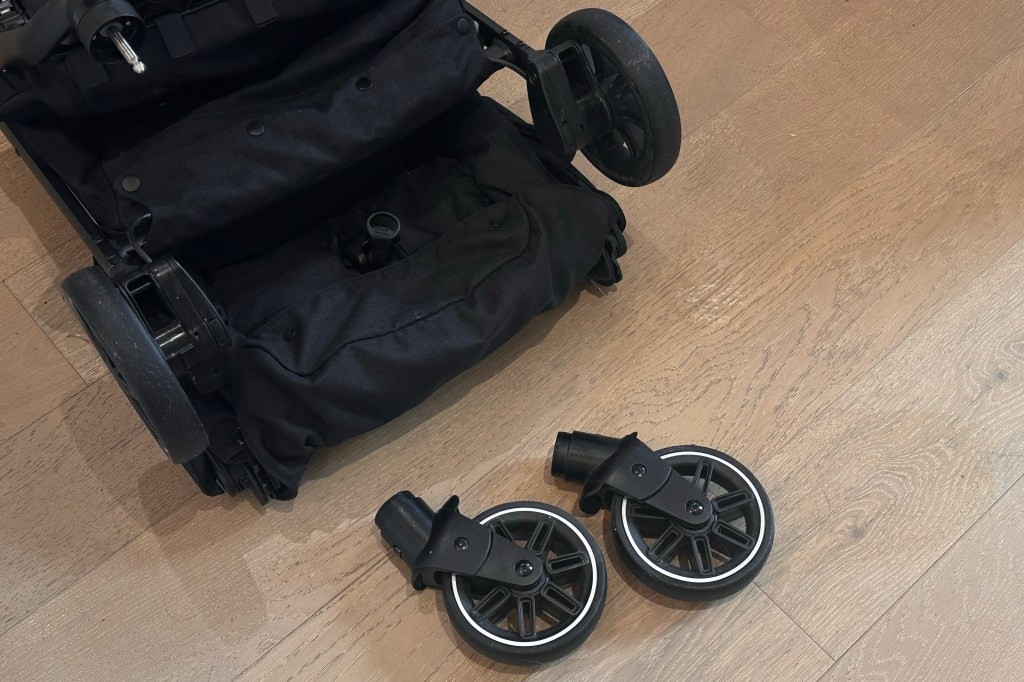
When I unboxed both strollers, I let out a huge sigh of relief. They were basically ready to go. The only minor setup difference was that the Nuna TRVL required me to pop in the wheels. It took less than a minute, and I didn’t even need the instructions to figure it out. They clicked right into place.
Right away, I noticed that the Nuna TRVL comes with a removable safety bar bumper, a major plus when you have a curious toddler who knows how to unbuckle themselves, or you deal with bumpy terrain from time to time. The TRVL also has a slim, hidden pocket in the sun canopy, a thoughtful touch for small essentials (think keys or a wallet). Plus, it came with a convenient carry bag, perfect if you’re traveling.
While the Bugaboo Butterfly didn’t come with a safety bar or any secret pockets, it required zero assembly — and that is hard to beat. I’d give Bugaboo the win just for that, since it’s so rare to find a stroller that comes completely ready to use right out of the box. You can also purchase the bumper bar attachment separately for $55.
Design
 Miska Salemann
I expected to prefer the Nuna TRVL’s design — and in many ways, I did. The included safety bar is a standout, and the deeper seat feels especially secure for my daughter. It appears that the canopy also extends a bit farther, offering better sun coverage on bright days.
Both the Nuna and Bugaboo offer generous storage space underneath, but the Nuna edged ahead for me. It felt easier to access, and the slightly more flexible side panels make it less of a squeeze when you’re cramming in everything from snacks to spare layers and a diaper bag.
That said, the Bugaboo Butterfly won me over in a few key design details. It has a one-hand adjustable footrest, which makes it easy to find a comfortable position for your child — especially for naps — and its seat seemed to recline a bit flatter than the Nuna’s.
I actually assumed the Nuna would come out on top aesthetically, but my opinion shifted after testing. The Bugaboo feels a touch more substantial. The fabric is sturdier and less prone to wrinkling, and the whole stroller has a very polished, durable finish.
Both strollers feel safe and secure. They each have standard five-point harnesses, securing at the shoulders, hips and between the legs. My daughter, at the ripe age of two, isn’t always thrilled by these systems, but both were easy enough to operate. They clicked right into place and adjusted easily.
Maneuverability
 Miska Salemann
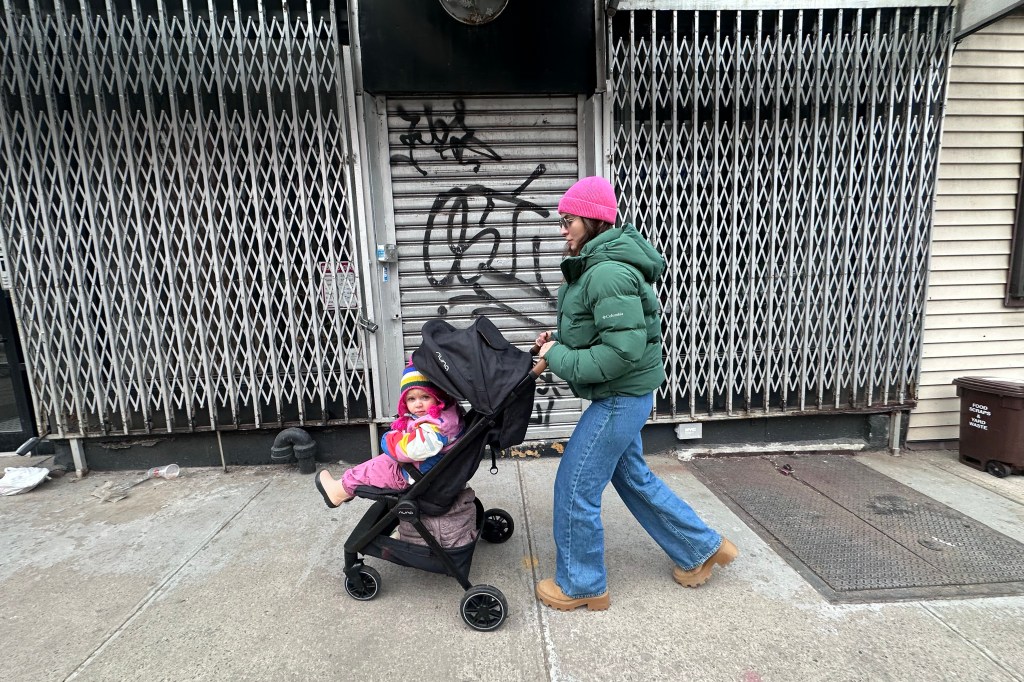
The Nuna TRVL maneuvers like a dream. Its wheels are slightly bigger than the Bugaboo Butterfly’s (even with the Butterfly 2’s recent upgrade), and in everyday city use, that difference shows. It turns on a dime and glides over cracked sidewalks with ease, whereas I’ve hit a few more jolts pushing the Bugaboo.
That said, the Bugaboo holds its own in tougher conditions. Its all-wheel suspension handled snow, slick and puddle-filled streets surprisingly well during the Polar Vortex this winter. It also feels a touch narrower — or at least looks it — which makes it easier to squeeze through tight spaces like the Subway or supermarket.
Still, for typical sidewalk navigating, the Nuna comes out on top. It’s also a bit lighter than the Bugaboo, and those few pounds make a noticeable difference when you’re lugging all your stuff around. I often steer it one-handed without thinking twice. And, I can fold it up and throw it over my shoulder when I am in a pickle, and it doesn’t feel like much of a load at all.
For all those reasons, I give the maneuverability award to the Nuna TRVL.
Foldability
Foldability is the ultimate test, and this is where the strollers go head-to-head. Both strollers collapse easily, and I can manage to fold each with one hand.
 Miska Salemann
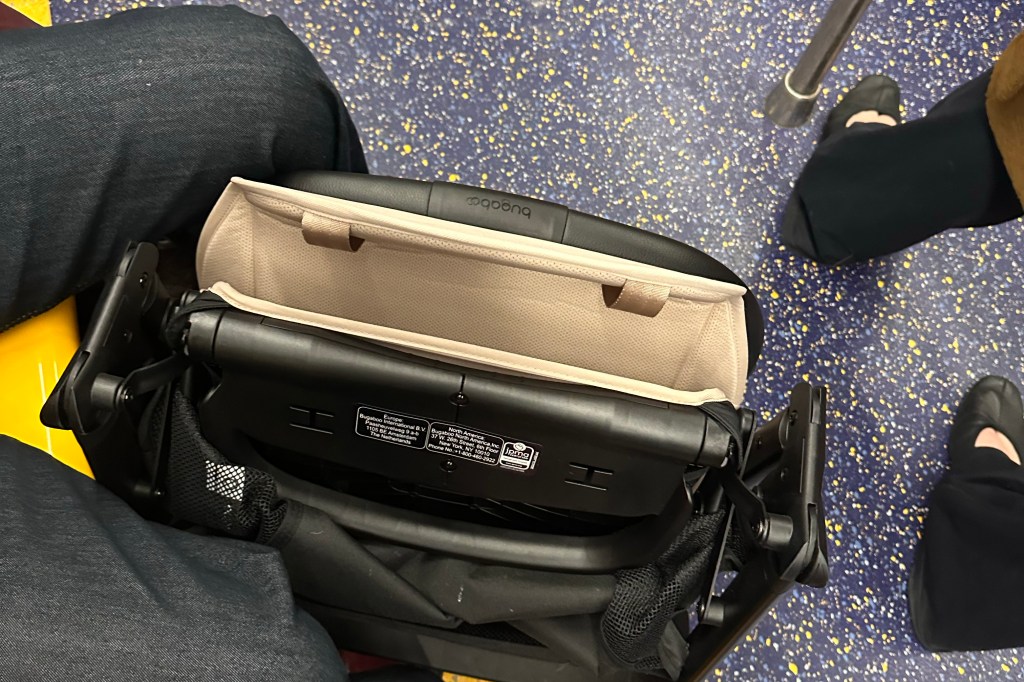
The Bugaboo certainly delivers on its promise of a one-second, ultra-compact fold. And, it truly gets tiny. I’ve tossed it in the back of taxis, stowed it outside our front door, and tucked it between my legs on the subway many times (as pictured above). No complaints there.
It just takes a touch more force to get there. I just gently press the canopy down after folding, and wah-lah — she is tiny. If you fly often, I’d give the edge to the Bugaboo.
That said, the Nuna TRVL requires a bit less effort overall. The folding process feels more ergonomic and the stroller almost folds itself, without any fiddling. As you can see below, it snapped right into place, without me having to press it down on anything.
While the Nuna folds down nicely, it doesn’t get quite as compact as the Bugaboo. We’re talking a difference of a couple of inches, but that might matter for some overhead bins.
One other standout for the Nuna: it works seamlessly with Nuna car seats, no adapter required. That’s a big win if you’re looking for a simple, all-in-one travel system.
 miska Salemann
Final thoughts: Which is the best stroller for you?
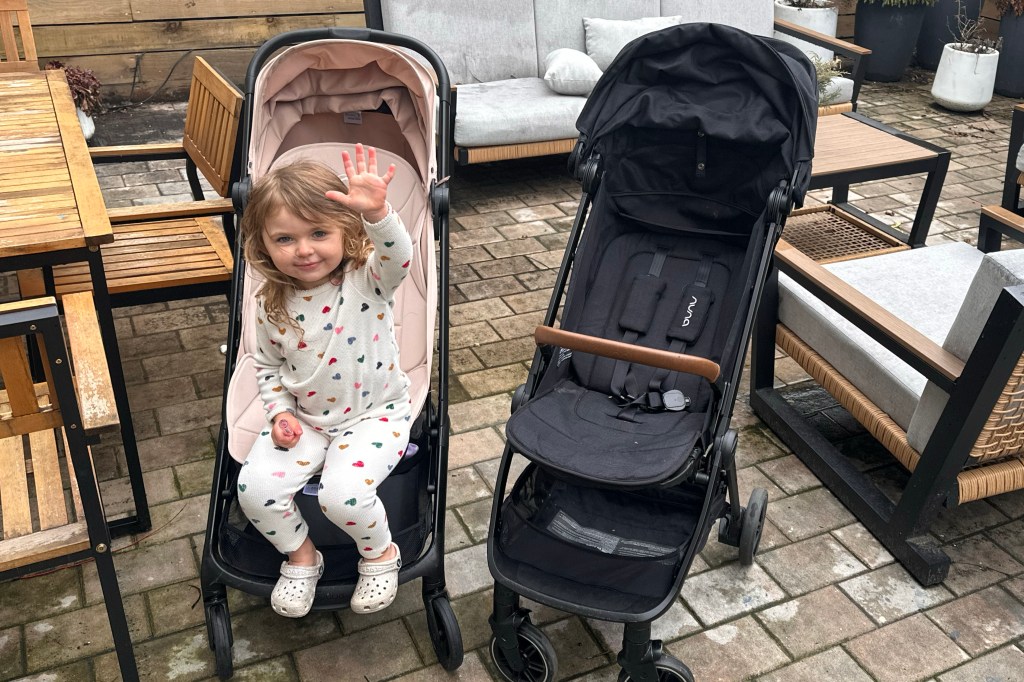
Oh, the agony of making a decision. In the end, I found myself gravitating towards the Nuna TRVL, but that doesn’t make it the holy grail stroller for everyone. I had originally pegged the TRVL as the more luxe, elevated option — and it turned out to feel like more of a practical, everyday city stroller than I expected.
I loved the slightly more flexible storage basket, perfect for a diaper bag and my toddler’s small zoo of stuffed animals and toys. The larger wheels glided effortlessly through city streets, and the included safety bar gave me peace of mind on curbs and uneven sidewalks. It’s also a few pounds lighter than the Bugaboo. It’s a small difference, but noticeable when lifting it on subway stairs or over curbs.
The Bugaboo Butterfly, though, definitely has its strengths. It folds down in a second and gets impressively compact. In my opinion, it also looks a bit sleeker and narrower, which helps in tight spaces. And the adjustable calf support is a nice touch, especially for on-the-go naps.
If travel is your top priority and you want something that will reliably fit overhead, the Bugaboo might be the better pick. But for daily use, smoother handling and overall ease, I would opt for the Nuna.
How We Tested
 Miska Salemann
Assembly: Thankfully, travel strollers are much easier to put together than those complicated newborn prams. I still considered how easy they were to unbox and get standing, and whether the stroller came with any extra parts — like the safety bar — and any hidden pockets for storage.
Maneuverability: When it comes to maneuverability, I considered wheel size and suspension, testing the strollers on everything from sidewalks and snow to grass and wood chips. I paid attention to how easily they turned, how they handled bumps, and whether their width made navigating crowded public transport possible.
Foldability: This feature speaks for itself. For a travel stroller, quick and compact folding is essential. I evaluated how smoothly the folding mechanism engaged and how easily the stroller could be reopened. I also assessed its size when folded, testing how conveniently it fit into a range of spaces, from car trunks to storage closets.
Overall Design: It’s not just about looks (though a sleek modern style is always appreciated). I focused on practical design — considerations like storage space, seat roominess, and how easy it was to adjust. I also noted how weather-resistant the stroller was, how well it was insulated, and whether the materials held up well over time.
This article was written by Miska Salemann, New York Post Commerce Writer/Reporter. As a health-forward member of Gen Z, Miska seeks out experts to weigh in on the benefits, safety and designs of both trending and tried-and-true fitness equipment, workout clothing, dietary supplements and more. Taking matters into her own hands, Miska intrepidly tests wellness products, ranging from Bryan Johnson’s Blueprint Longevity Mix to the viral Oura Ring to Jennifer Aniston’s favorite workout platform – often with her adorable toddler by her side. Before joining The Post, Miska covered lifestyle and consumer topics for the U.S. Sun and The Cannon Beach Gazette.