
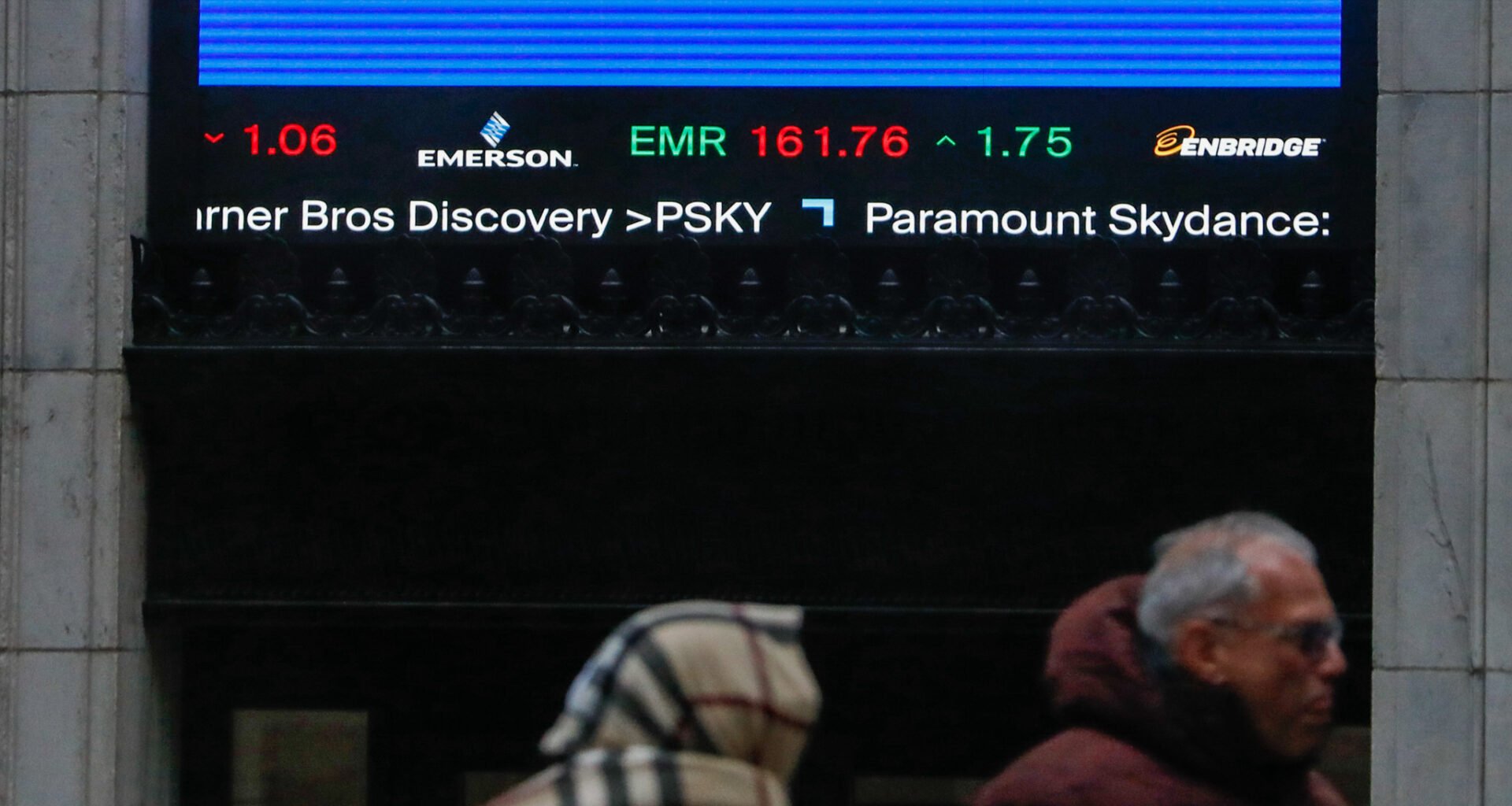
Wall Street bonuses hit a record last year, sending billions in much needed tax revenue to the state and city. But the economic fallout from the war with Iran is already having an impact on key Wall Street businesses, threatening the big bet the Mamdani administration is making that the securities industry will continue to swell the city’s coffers.
State Comptroller Tom DiNapoli reported Thursday that total bonuses last year hit $49.2 billion, up 9% from the previous year. The average bonus increased to $246,000.
“Wall Street saw strong performance for much of last year, despite all of the ongoing domestic and international upheavals,” DiNapoli said. “However, we are seeing slower job growth, and geopolitical conflicts have global repercussions that pose extraordinary risks for the short- and long-term outlook on the financial sector and for broader economic markets.”
One concern is that bonuses actually trailed last year’s growth in Wall Street profits, which were up 30% to $65.1 billion, a sign that CEOs were already anticipating a downturn.
Since the war began in late February, oil prices have surged, pushing up gas prices by about a third and threatening to raise the rate of inflation. The stock market has declined by about 5% in the last month, and economic uncertainty threatens to slow the boom in AI deals that propelled Wall Street profits last year.
“Last year we were surprised at how resilient Wall Street was,” said Rahul Jain, state deputy comptroller for New York City. ”It doesn’t seem to be so robust this year.”
But Mayor Zohran Mamdani has made a big bet on Wall Street profits continuing at record levels. His preliminary budget released last month increased expected revenue for the 2027 budget year beginning July 1 by $4.2 billion, primarily because of the increased personal income taxes it expects from securities industry employees.
The administration’s estimate for the increase in personal income taxes in the three fiscal years ending in 2027 are unprecedented in recent decades, Jain noted. He also said the city has not seen increases in personal income taxes that large since the three years before the Great Recession began in 2008.
The Independent Budget Office is also more cautious than the Mamdani administration, predicting personal income tax collections will be $600 million less than the $20.7 billion City Hall expects.
“This difference is largely driven by IBO having a less optimistic outlook for Wall Street-driven income tax growth amid ongoing economic uncertainty,” said Louisa Chafee, director of the IBO.
The outlook for the city’s next budget will be clearer when a state budget, due March 31 but likely to be delayed, is adopted. The administration will know how much aid it will receive from Albany and whether its proposed increases in personal income taxes on the wealthy and corporate taxes on large companies will be passed despite the opposition of Gov. Kathy Hochul.
The mayor’s executive budget is due in May, and he and the Council need to agree on a final budget by June 30. Unlike the state, the city hasn’t missed its deadline in decades.
Related