
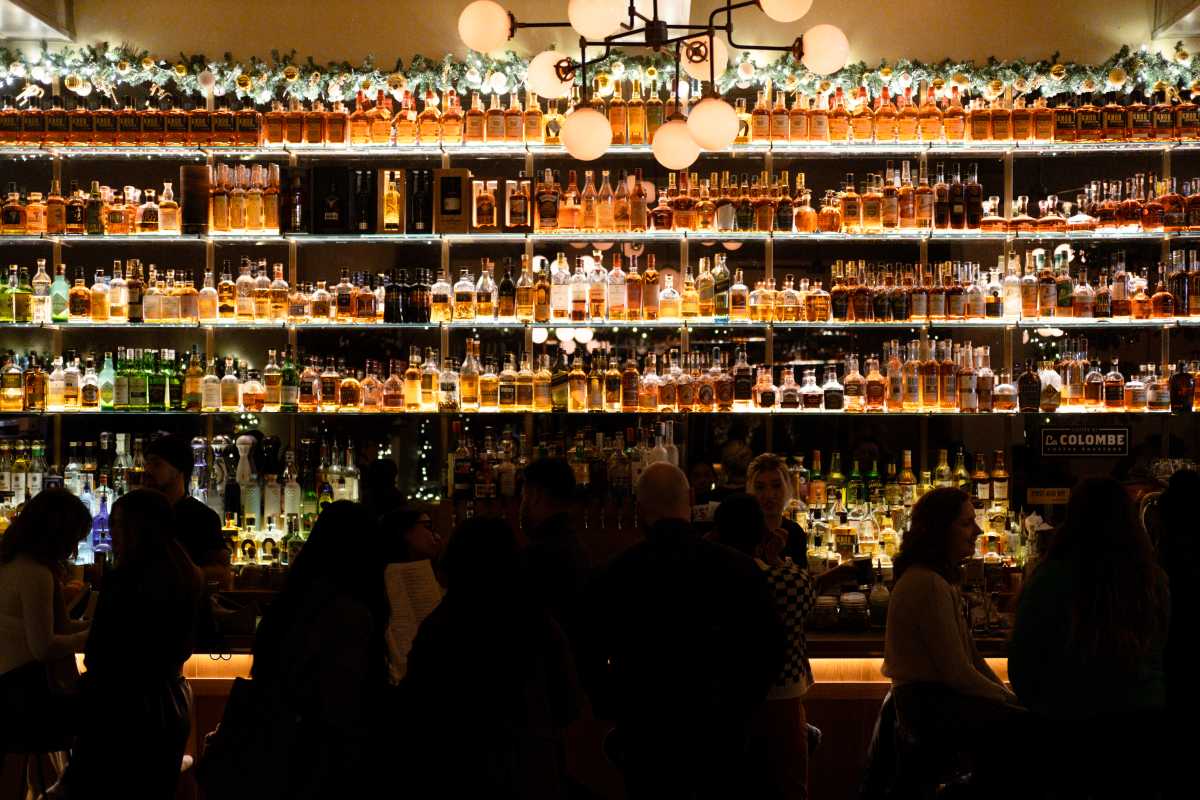
The Stand mixes great comedy with great food and drinks.
Photo courtesy of The Stand
Civilizations have always gathered around two things: the burn of a good spirit and the relief of a well-timed laugh. Long before velvet ropes and downtown reservations, there were smoky rooms in Scotland where whisky was not merely distilled, but debated—passed between hands as ritual, as philosophy, as proof of patience. Bourbon followed with its own American bravado, all oak and fire, a story of reinvention aged into amber. Comedy, perhaps the most human of all arts, evolved alongside it—first as satire in ancient courts, then as rebellion in dimly lit clubs where truth could slip through humor and land, clean and undeniable.
I learned early that neither discipline rewards carelessness. My father treated scotch the way he treated golf: as a mental game, one that required restraint, timing, and a certain respect for tradition. Glenlivet 12 Year, he insisted, was the gold standard—no unnecessary embellishment, no shortcuts, just clarity and craft. It was never about indulgence for indulgence’s sake. It was about understanding what was in your glass, and why it mattered.
The Stand, tucked just off Union Square at 116 East 16th Street, understands this lineage with surprising precision. One arrives expecting a comedy club. What reveals itself, rather seductively, is something far more layered—a room where hospitality, culinary ambition, and a world-class spirits program converge with the easy irreverence of New York’s best stand-up.
The bar alone would be enough to warrant a visit. A collection of over 240 bottles spanning bourbon, Scotch, and Japanese single malts sits with quiet authority behind the counter, a kind of liquid library that would impress even the most fastidious of patrons. There are single-barrel selections here—private acquisitions from names like Woodford Reserve and Knob Creek—that exist nowhere else in Manhattan, poured without ceremony but with unmistakable pride. One could, quite easily, lose track of time working through the list, though the room has a way of keeping you engaged.
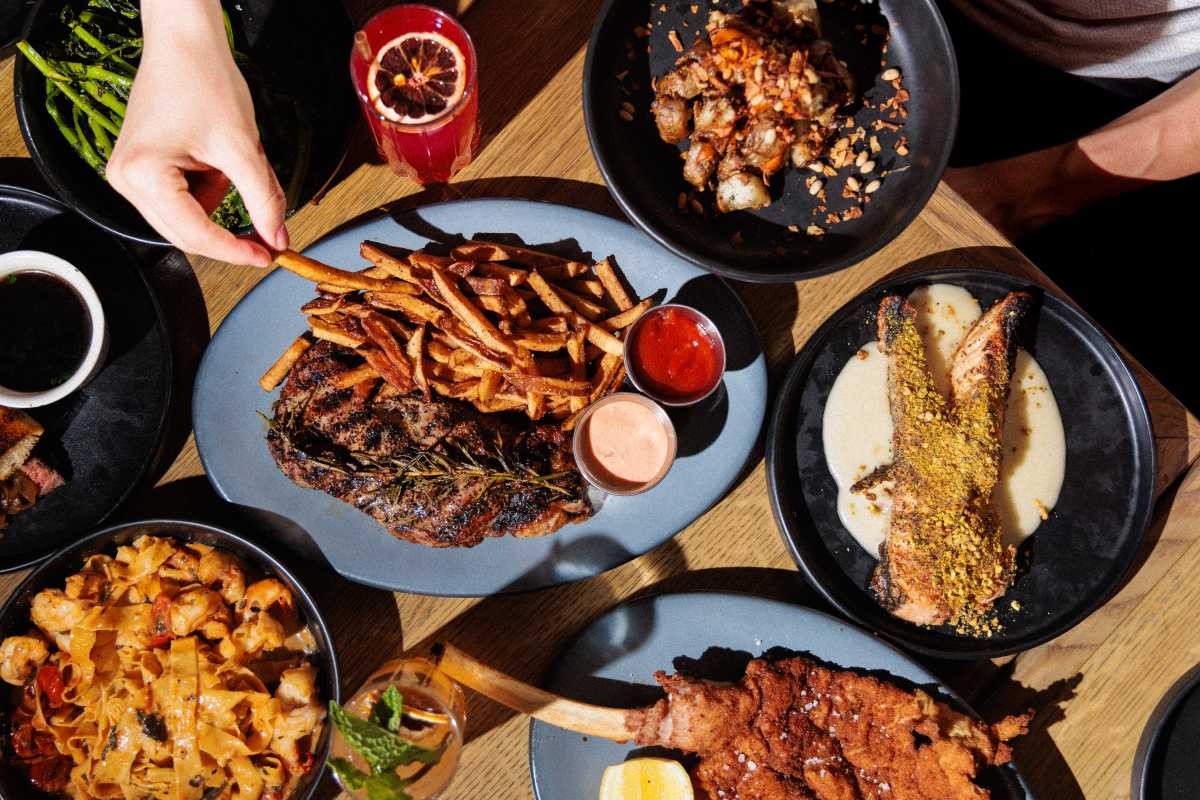 Dinner options at The Stand.
Dinner, in turn, holds its own. A wood-fired oven imported from Sicily anchors the menu with a Northern Italian sensibility that feels both elevated and unfussy. The cacio e pepe pizza arrives with a kind of quiet confidence, each bite balanced and indulgent without tipping into excess. The roasted bone marrow leans unapologetically into richness, the sort of dish that demands a proper pour alongside it. There is a pleasure in the simplicity, in the understanding that good ingredients, handled well, rarely need explanation.
Then, of course, there is the comedy.
A Friday night at The Stand carries a particular electricity, the kind that builds slowly before breaking open into something delightfully unpredictable. The club has become something of a magnet for top-tier talent, with comedians like Dave Chappelle, Bill Burr, Pete Davidson, and Adam Sandler known to make appearances, slipping in and out of the lineup with the kind of casual dominance that defines the New York circuit at its best.
The night I attended carried its own distinct rhythm, anchored by a lineup that understood exactly how far to push and when to pull back. My personal favorite, perhaps to my own mild concern, was Aaron Berg—gaudy, shock-value ridden, unapologetically crass, and entirely magnetic. There were moments when my mouth quite literally hung open, caught somewhere between disbelief and laughter. One is forced, in those instances, to ask a slightly dangerous question: what, exactly, does that say about me?
That, of course, is the beauty of comedy—of any art, really. It reveals the quieter, less curated corners of oneself, the parts that do not always make it into polite conversation. It disarms. It exposes. It allows for a kind of honesty that feels both reckless and necessary.
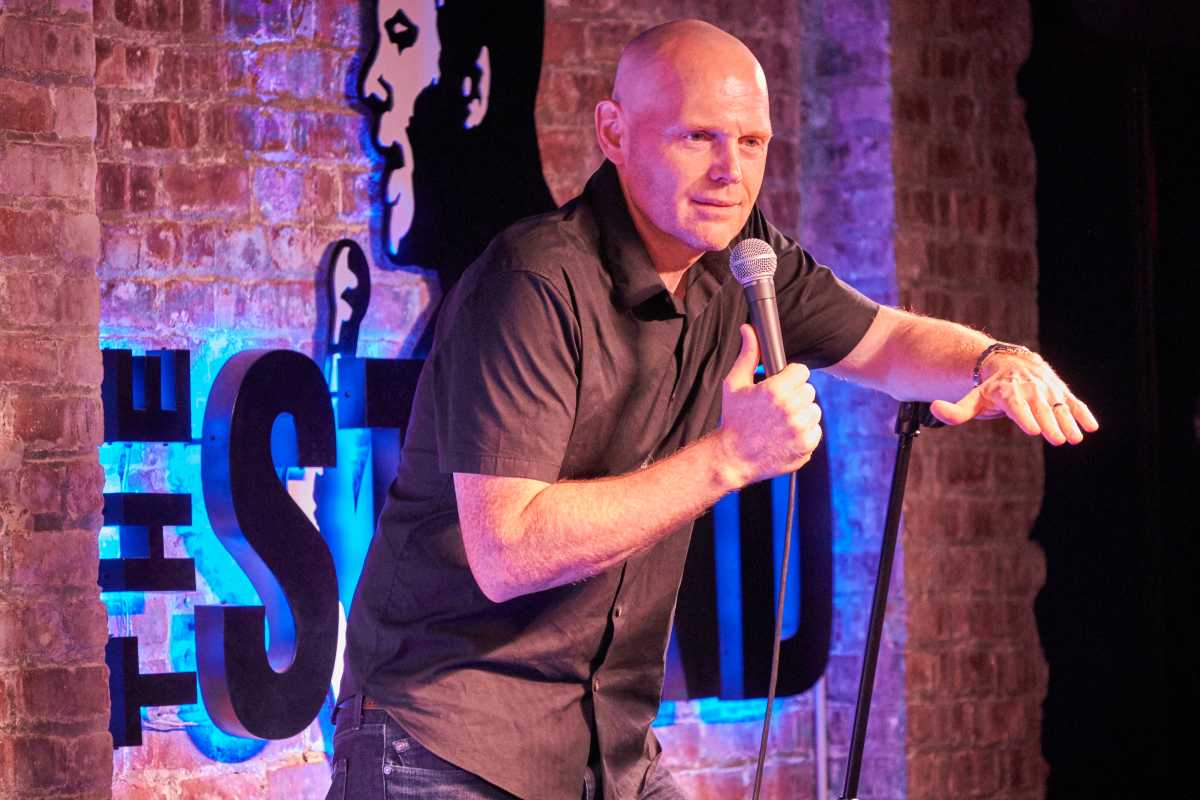 Bill Burr performing at The Stand.Photo courtesy of The Stand
Those seated in the front row learn this lesson quickly. They become, inevitably, part of the performance—handled with a sharpness that feels equal parts brutal and affectionate. The humor dances along an edgy political precipice, never quite tipping too far in any one direction, yet never retreating into safety. It is intelligent, quick, and at times disarmingly incisive, the kind of comedy that lingers long after the laughter subsides.
What The Stand achieves, rather effortlessly, is a synthesis that feels increasingly rare. It is not simply a comedy venue, nor solely a restaurant, nor even just a destination for serious whiskey enthusiasts. It is all of these things, woven together with a kind of ease that suggests a deeper understanding of pleasure itself.
One leaves slightly lighter, perhaps a touch sharper, and very well aware that a good pour and a great joke share something essential: timing, intention, and just enough bite to keep you coming back.
My father, I suspect, would have approved.
thestandnyc.com