
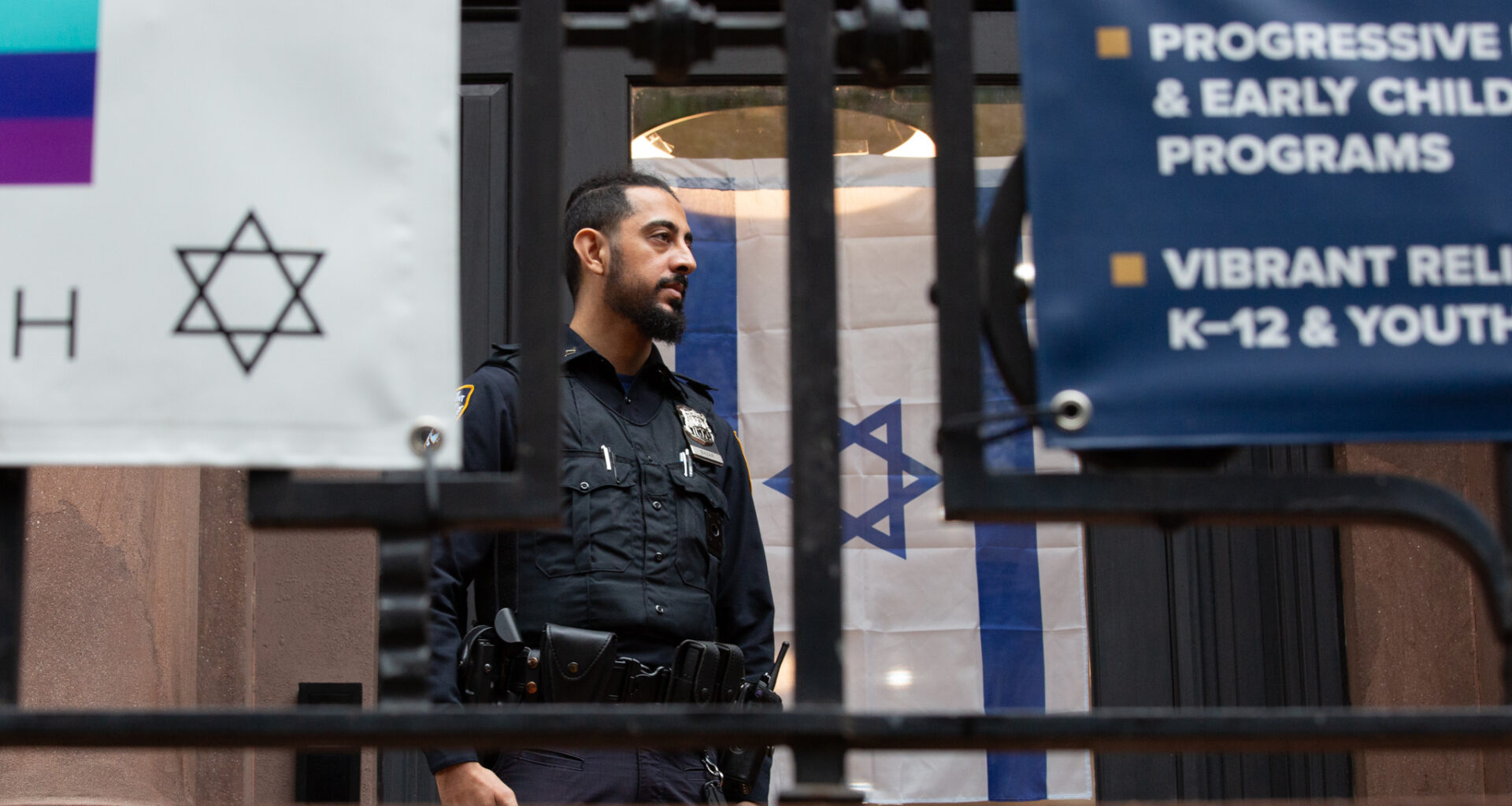
The New York City Council on Thursday passed a pair of bills aimed at targeting hate across the city by creating “security perimeters” for protests around houses of worship and schools.
The bill relating to religious sites passed on a 44-to-5 vote, while the bill pertaining to schools and education facilities passed by a narrower 30-to-19 margin.
Mayor Zohran Mamdani hasn’t taken a position on the bills, which were inspired by pro-Palestine protests outside of Jewish synagogues. The Council would need 34 votes to override a veto by the mayor, who won office as a vocal supporter of Palestine.
Speaker Julie Menin introduced the package of bills earlier this year in her first act as the new leader of the 51-member legislative body. They were part of her five-point plan to combat antisemitism across the city.
Menin, the first Jewish Council Speaker and the daughter and granddaughter of Holocaust survivors, was prompted by protests outside of the Park East Synagogue in Manhattan in November and another at a synagogue in Kew Gardens Hills in January where some protesters were chanting in support of Hamas.
In both cases, the protests happened in response to the synagogues hosting an organization that helps American Jews emigrate to Israel and the Israel-occupied West Bank.
The bills, which initially intended to establish 100-foot “buffers” around schools and houses of worship, evolved as they made their way to a vote, after consultation with the city’s law department, Menin said.
If the bills become law, the NYPD will have to present and post online their plans for using a “security perimeter” and interacting with protestors and people entering a house of worship or school.
At a press conference before the vote, Menin cited the consistently oversized share of Jewish hate crime victims in New York, and the desire to keep people safe entering houses of worship.
“The increase in hateful acts across the city is absolutely abhorrent, and we have to do something about it,” she said.
But opponents of the bill, including some Council members, say it will limit the core America values of free speech and protest.
“We know that these incoherent bills are a message against dissent, in particular pro-Palestinian voices, in a moment when free speech is under attack,” Councilmember Alexa Avilés, a Democrat who represents parts of Brooklyn, said when voting against the bills.
Donna Lieberman, the executive director of the New York Civil Liberties Union, said in a statement that the bills are “a surefire way to stifle constitutionally protected, peaceful political protest.”
“As the federal government targets, arrests, and even murders ordinary citizens for peaceful protest, New York City lawmakers must defend the First Amendment — yes, even for ideas they don’t like — and reject these ill-advised bills,” she said.
Menin said she and Mamdani speak frequently, but that he has not specified what he intended to do about the bills now awaiting his signature.
A spokesperson for the mayor, Dora Pekec, said the mayor is “keenly aware of the serious concerns regarding these bills’ limiting of New Yorkers’ constitutional rights, and he will keep these concerns in mind for any bills that land on his desk.”
“He wants to ensure both the right to prayer and the right to protest are protected here in New York City,” she said.
Under the City Charter, the mayor has 30 days to either sign the bill into law, veto it, or take no action; if it isn’t vetoed or signed within that time period, it automatically becomes law.
Sara Vasquez Leyton contributed additional reporting.
Related