
“In New York City, frontline staff see stalled housing packages regularly. Families wait while apartments remain available. Landlords lose trust in voucher programs.”
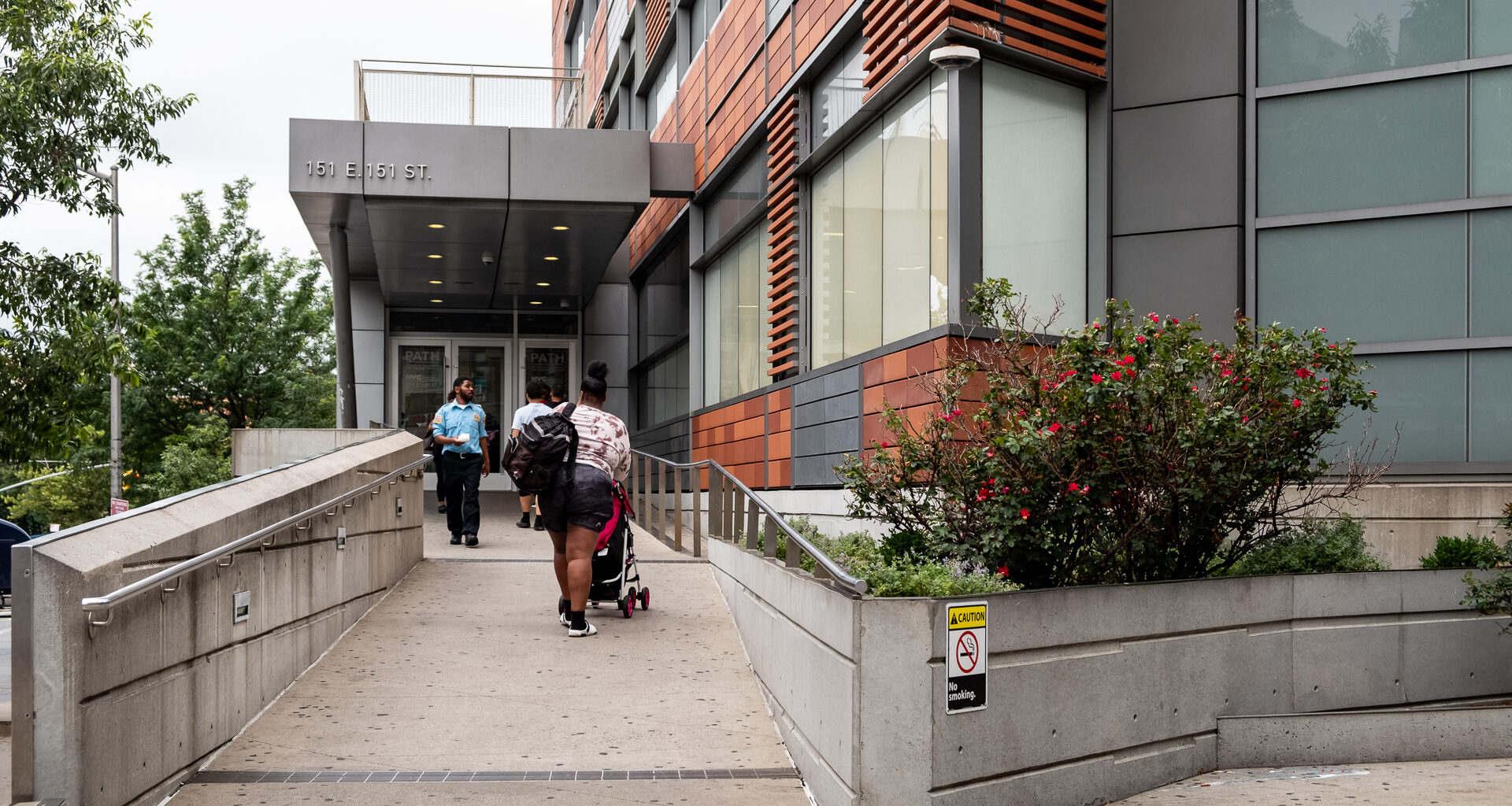
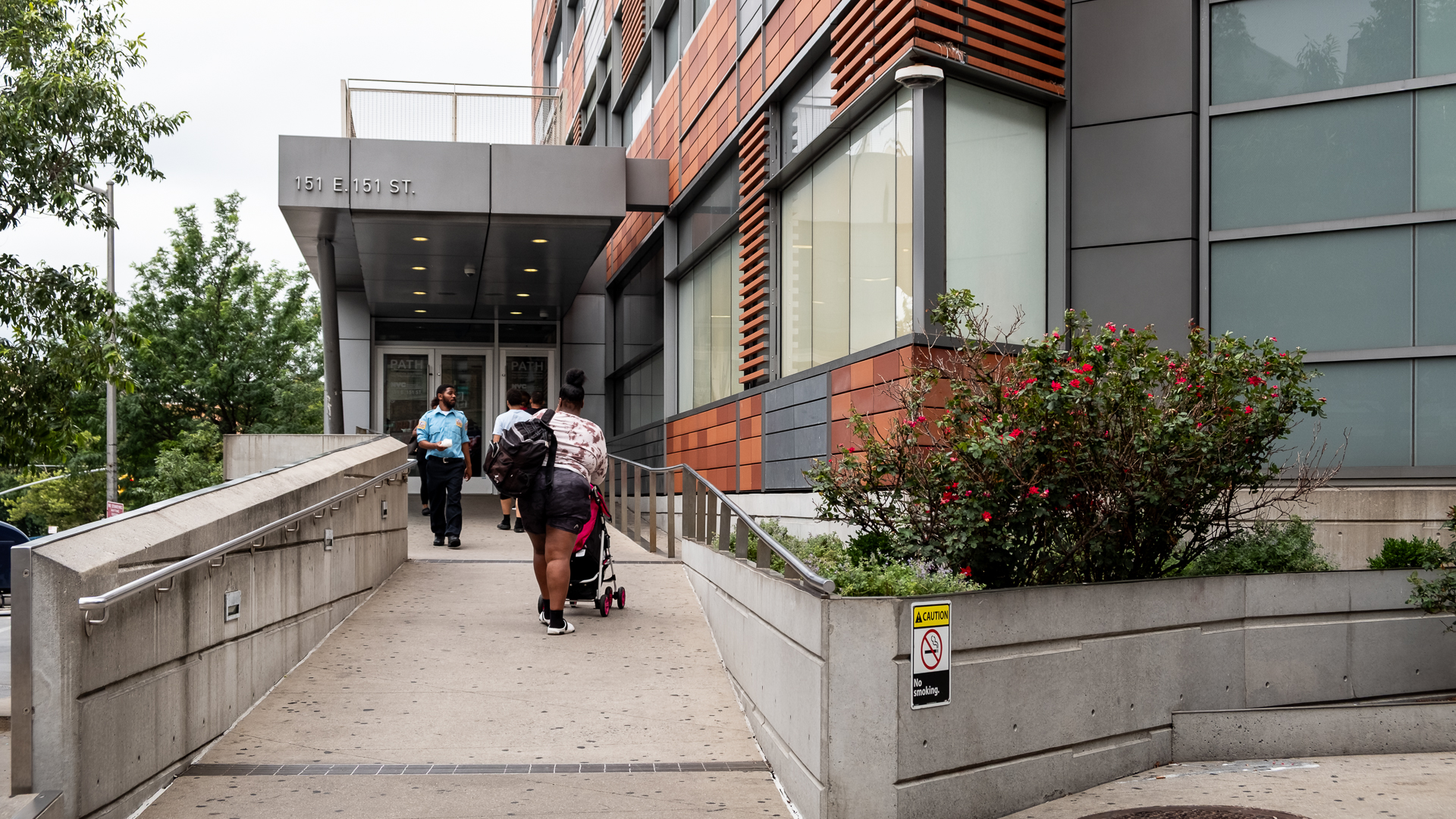 The city’s shelter intake facility for families with children in the Bronx. (Adi Talwar/City Limits)

A family living in a New York City shelter finds an apartment. The landlord agrees to hold the unit. Documents are submitted, and then everyone waits. Weeks pass. Then months. In my work supporting families in shelter, I see this happen every day.
The apartment sits ready while the family remains in shelter. The landlord grows frustrated. The voucher process stalls somewhere between agencies.
This situation happens more often than most people realize. The housing exists. The funding exists. The system meant to move families into that housing slows the process. In many cases, the barrier is not housing supply. The barrier is bureaucracy.
New York City’s homelessness system relies on multiple agencies. The Department of Homeless Services manages shelter placement. The Human Resources Administration administers rental vouchers such as CityFHEPS. Shelter providers gather documents and submit housing packages.
Each agency controls part of the process, using different systems and procedures. No single platform shows the full status of a housing case. When delays happen, families often hear the same response. The case is under review. Processing is in progress. Check with another office.
Meanwhile, the apartment waits.
Shelter in New York City is expensive. Housing a family in shelter costs roughly $200 per night, or more than $70,000 per year, based on estimates from the New York City Comptroller’s Office and city budget reports.
If administrative delays keep a family in shelter for three extra months while paperwork moves through the system, the city spends roughly $18,000 during that period alone. Multiply that across thousands of families leaving shelter each year, and the cost quickly reaches tens of millions of dollars. Public money pays for shelter beds while apartments sit ready.
The financial waste tells only part of the story.
Families remain in crowded shelter rooms while waiting for paperwork to move forward. Children continue living in temporary environments when stable housing is already available. Parents face growing stress as landlords lose patience and threaten to withdraw apartments.
Each time a landlord walks away, the family returns to the beginning of their housing search. What should be a moment of progress becomes another setback.
Other cities have taken a different approach. Communities such as Philadelphia and San Diego use coordinated data systems required by the U.S. Department of Housing and Urban Development, known as Homeless Management Information Systems, which allow agencies and providers to share client data, track housing progress, and coordinate services across a single platform. These systems are designed to reduce delays by giving all partners visibility into the same case in real time.
With shared systems, agencies can see where a case stands, identify delays quickly, and coordinate housing placements more efficiently. The goal is simple. Move people into housing as quickly as possible.
In New York City, frontline staff see stalled housing packages regularly. Families wait while apartments remain available. Landlords lose trust in voucher programs.
The solution is not unclear. Integrated systems exist. Housing experts and federal guidance have recommended coordinated data systems for years. If the problem is known and the solution exists, why hasn’t the system changed?
Large systems take time to shift. Technology upgrades require funding and coordination across agencies that developed separately over decades. But delay carries its own cost. Every stalled case means more shelter spending, more stress for families, and more frustration for landlords willing to participate in housing programs.
A shared housing case platform would allow shelter providers, voucher offices, and housing staff to view the same case information in real time. Families would know where their application stands. Staff could identify stalled cases immediately. Apartments would not sit empty while paperwork moves between offices.
Public dollars would support housing placements instead of prolonged shelter stays. Most important, families would leave shelter faster and move into stable homes.
Government systems should remove barriers to housing. When those systems fail to communicate, the cost shows up in both public budgets and human lives. New York City has the knowledge and the tools to build a better process. The question is whether it will choose to act.
Jennifer Love Ortiz is a peer supervisor working with families in New York City shelters and an advocate for housing stability and trauma-informed systems.
We want to hear from you!
Take a short anonymous survey to help us deliver content to empower our community.