
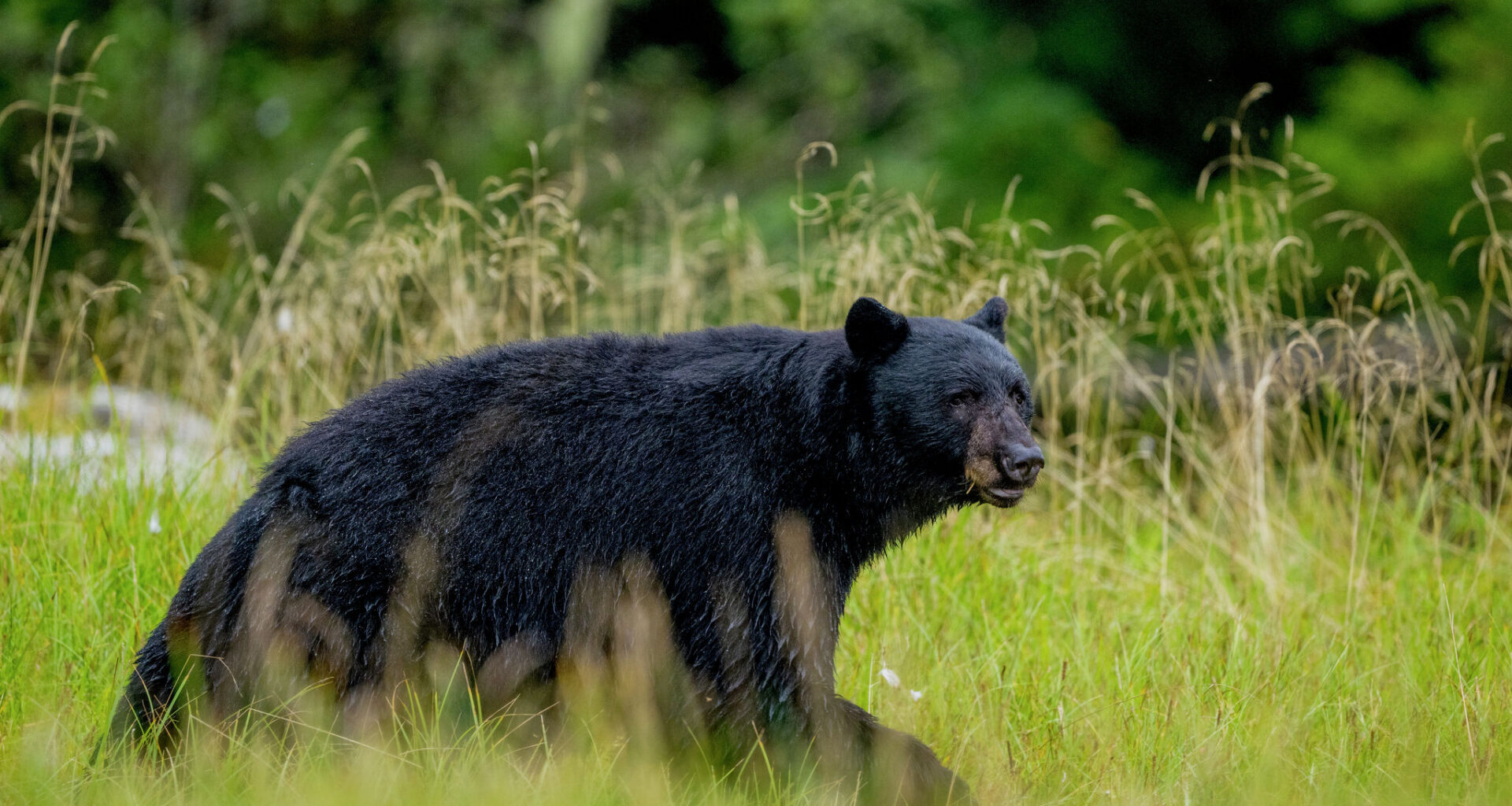
New York hunters killed a record number of black bears outside the Adirondacks last year, a sign of how far the animals’ range has expanded across the state.
Hunters culled an estimated 1,759 black bears during the 2025 season that ended in December, according to figures released this week by the state Department of Environmental Conservation. Of those, 1,202 were killed outside the Adirondack Park — the highest number ever recorded in what the agency calls the state’s “southern zone.”
Another 557 bears were killed within the Adirondacks, which historically has been the center of New York’s bear hunting.
The season’s largest bear weighed 562 pounds and was shot in Ulster County, which also reported the highest concentration of bears killed in the southern zone. The 10 heaviest bears taken statewide were all killed outside the Adirondacks, according to DEC data.
The figures reflect just how far black bears have migrated in recent decades. Bear populations drastically declined until the 1950s, when the animals had all but disappeared outside the most remote and mountainous parts of the state. With growing urbanization and greater wildlife protections, black bear ranges expanded over the past 70 years and are now well established in the Hudson Valley and across the Southern Tier.
State officials track bear harvests through reports filed by hunters, taxidermists and meat processors. DEC biologists also sometimes collect teeth from culled bears to determine their ages and better understand population trends.
As the animals gradually expand their range, state officials continue to open new areas for bear hunting. New York’s current black bear management plan authorizes hunting to “maintain bear populations at levels acceptable to the public,” though conservationists and animal rights groups disagree about what that level should be.
The DEC says hunting is the most effective way to control bears as they move into areas more densely populated by humans. According to agency staff, black bear interactions with humans fluctuate based on food availability and climate, with conflicts increasing in drought summers when berry crops are less productive.
In a statement this week, DEC Commissioner Amanda Lefton praised the agency’s “vigilant wildlife management efforts.”
“New York’s big game management plans help maintain populations at levels that are acceptable for local communities and provide sustainable hunting opportunities,” Lefton said.