
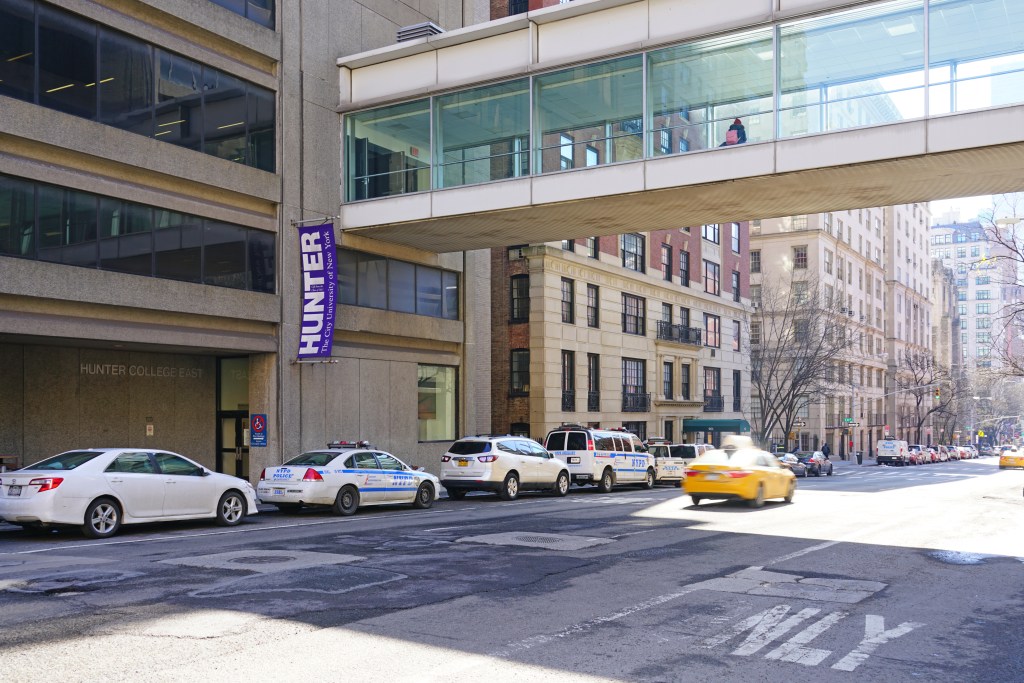
When I had the chance to hire a student to work in my research lab at Hunter College, I noticed a trend. While all were prepared to do the work, fewer were prepared to land the job. It wasn’t that the students lacked accomplishments. It was that success in the classroom wasn’t translating in the interview process.
Our students needed help presenting their skills, communicating what they had learned on their résumés and identifying careers they would be qualified for.
To do that, our human biology program received city funding through the CUNY Inclusive Economy initiative to recruit new staff to work closely with our students to improve their career-readiness.
Under the initiative, Hunter’s human biology program was assigned two dedicated staff members. The integrated academic and career adviser works with students to determine what skills they’re missing — whether it’s interview prep or resume format — and what they might need in their careers. The industry specialist was tasked with keeping a pulse on the needs of employers.
Almost two years later, and the program has been a gamechanger, one that offers important lessons at a time when higher education is grappling with public skepticism about the value of a college degree. For instance, employers said our students weren’t leveraging Microsoft Office software to their full potential so we incorporated use of these tools in class assignments.
Our integrated adviser was able to arrange one-on-one interventions to help students practice their sector-specific interviewing skills and craft their résumés.
The next chance I had to hire a student, it was clear which of them had worked with our integrated career adviser. They could better explain their experience. Since July, our team has connected more than 120 students to jobs and internships, out of a cohort of 200.
My fellow professors appreciate what this work can do for our students. We want to see them succeed, but our roles typically focus on the academics. This can leave a gap between what we teach and preparing students for the workforce.
We have 200 spots in the CUNY Inclusive Economy initiative and more than 600 additional students in our human biology program are interested in being part of it. Demand will only grow as more students hear about how successful this has been. In fact, we’ve received inquiries from high school students who plan to choose our major at Hunter College because of what we offer.
I was excited when CUNY announced that it will make this kind of support more broadly available across the university system.
CUNY Beyond, as it’s called, will integrate career preparation and work experience supports — much like what we’ve been able to offer through CUNY Inclusive Economy — into every undergraduate degree program.
With this new effort, that conversation will start with students as early as high school and leading into freshman orientation. Advisers will be empowered to walk students through the non-academic steps they need to take to be prepared for different jobs in their fields, all the while making sure that they are up to date on their skills.
Expanding access to paid internships and apprenticeships early in students’ academic journeys will further set them up for success.
As educators, if we want to make sure that we can continue to meet that demand for talent, initiatives like CUNY Beyond have potential to achieve just that.
Rothman is a professor of anthropology and director of the human biology program at Hunter College.