
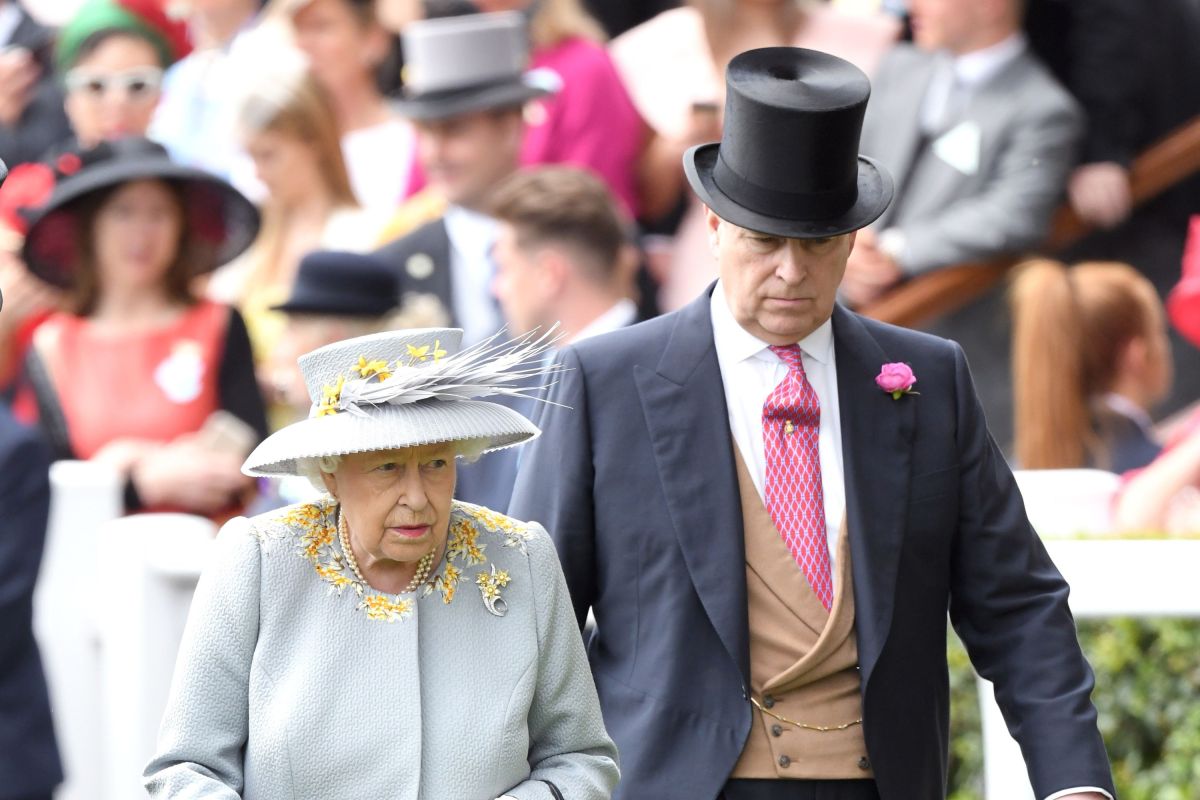
Queen Elizabeth II was “deeply concerned” about Andrew Mountbatten-Windsor in her final years and “did not believe he had behaved improperly” in his friendship with Jeffrey Epstein, according to a new royal book.
Virginia Giuffre accused Mountbatten-Windsor of sexually assaulting her in 2001 when she was a 17-year-old Epstein trafficking victim. Mountbatten-Windsor denied the allegations and settled a New York lawsuit for an undisclosed sum in 2022, months before Elizabeth died that September.
Author Hugo Vickers writes in his new book Queen Elizabeth II, out in April, that the monarch did not believe the allegations against her son, which may go some way to explaining why stronger action was not taken against the former prince until after her death.
 Why It Matters
Mountbatten-Windsor is currently being investigated by Thames Valley Police on suspicion of misconduct in a public office following reports he sent Jeffrey Epstein confidential Government documents obtained through his role as a trade envoy.
King Charles III raised concerns about his brother getting the trade envoy role to begin with while Queen Elizabeth supported the move, according to a report in The Guardian back in 2001.
It remains possible that more details will come to light in future about the role Elizabeth played in Mountbatten-Windsor getting the trade envoy position making Vickers’ account of her wider view of the issue particularly relevant.
Andrew Mountbatten-Windsor’s Epstein Scandal and the Queen
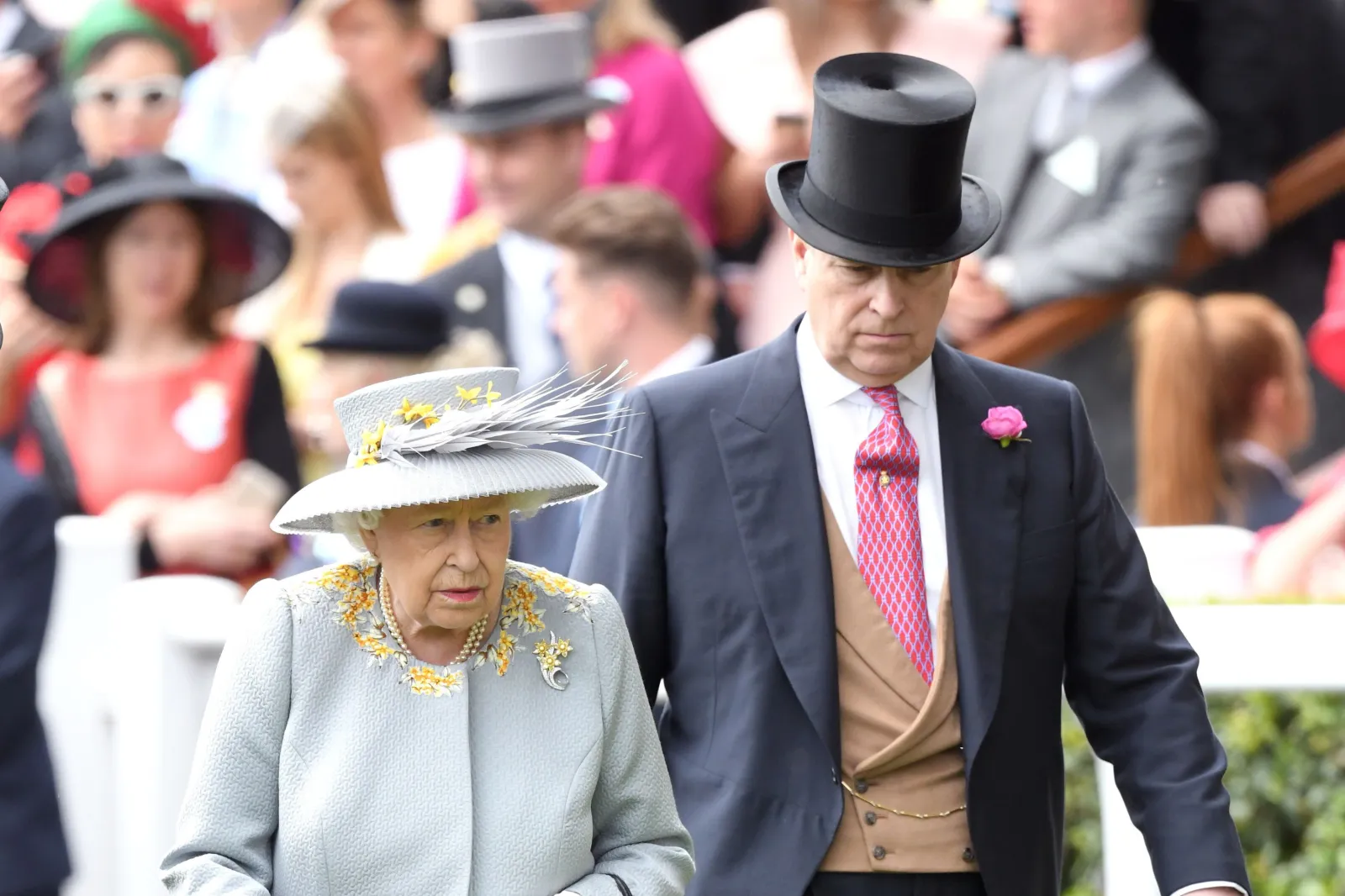
“Andrew’s problems caused the Queen considerable distress in the last years of her life,” Vickers wrote. “She was deeply concerned about his future. One idea, developed in the last year of her life, was to set up a foundation that Andrew could administer.
“Despite his car-crash interview on Newsnight, and other apparent revelations, the Queen did not believe he had behaved improperly. It is fortunate that she did not live to witness the denouement.”
Giuffre first publicly described being flown in 2001 to London and paid by Epstein to meet Mountbatten-Windsor during a newspaper interview with The Mail on Sunday ten years later, in February 2011.
Her allegations appeared in U.S. lawsuits filed by Giuffre in the years that followed while he continued to represent Britain as a working royal.
It was not until Epstein’s death in jail in 2019 that Mountbatten-Windsor agreed to a sit down interview with BBC Newsnight that November.
Mountbatten-Windsor was, though, largely ridiculed after saying he had a medical inability to sweat and, separately, that he had flown to New York to stay with Epstein overnight in December 2010 because he wanted to break up their friendship in person. He described the move as “too honorable.”
Giuffre sued Mountbatten-Windsor alleging rape in New York in 2021 and in 2022 the sides settled. Elizabeth is widely acknowledged to have contributed some of the money used to settle the case.
The queen died in September 2022 and Mountbatten-Windsor attended the funeral, as well as a vigil at Westminster Hall, where she was lying in state.
King Charles and Prince William Take a Stronger Stance
In April 2025, Guiffre died after what her family described as a suicide. However, she had written a memoir released by her publisher in October.
The same month, Democrats on the House Oversight Committee released emails from Epstein’s estate shedding new light on Mountbatten-Windsor’s relationship with Epstein.
The pressure led Mountbatten-Windsor to release a statement in mid October, voluntarily giving up the use of his titles stating “I have decided, as I always have, to put my duty to my family and country first.”
This further inflamed the public backlash against him, leading to King Charles III forcible stripping him of his titles and his Windsor mansion, Royal Lodge, at the end of October.
On February 19, Thames Valley Police arrested Mountbatten-Windsor and took him to a Norfolk police station before releasing him under investigation.