
The cost of living crisis is top of mind for most New Yorkers. From childcare to rent, basic necessities have been harder and harder to afford for average people in our city. But one group hit hardest by inflation is often overlooked: seniors, particularly those struggling to remain in their own homes.
In communities across Queens, including co-op developments where many residents have lived for decades, I hear every day about the financial pressures facing our older neighbors. Homeownership was once seen as a source of housing and financial stability for older adults. But for many seniors living in aging, multifamily co-op buildings, the costs of maintaining and improving their homes are rising just like the cost of groceries and other basic necessities. I’ve spoken with seniors in my district who worry that a sudden spike in maintenance fees could force them out of homes they have lived in for decades.
From facade repairs to boiler replacements, improvements that keep buildings running well are expensive. Though these seniors may “own” their home, increased monthly maintenance fees for property taxes, utilities, insurance, and more function similarly to rising rent, threatening their ability to age in place.
Across NYC, most older adults rely on a fixed income — nearly three-quarters depended on Social Security in 2023 — with an average total personal income of only $48,100 per year, leaving almost no cushion for unexpected costs or rising co-op fees. This financial vulnerability is part of a larger, worrisome trend: Poverty among seniors has surged by over 40 percent in the last decade, and nearly 18.4 percent of the city’s older population now lives below the poverty line.
Compounding these financial challenges, as extreme weather becomes more common, seniors are often hit the hardest. Older, drafty buildings are more expensive to heat in the winter and cool in the summer. This winter alone, severe storms left many seniors stranded without reliable heat, made worse by federal cuts to heating assistance programs. Rising energy costs make air conditioning bills difficult to pay, and seniors are more likely to suffer during heat waves and other extreme weather emergencies than any other part of the population.
As a member of the Standing Committee on Aging in the New York State Assembly, I’ve long championed policies that support Naturally Occurring Retirement Communities — communities where a large percentage of residents are seniors who have aged in place. Many of these NORCs are the very co-ops facing these financial strains. They are a form of naturally affordable housing that prevents displacement, offering vital social networks and support systems for older adults, and are far more cost-effective for the city than building new senior-specific housing.
Many NYC co-ops, especially limited-equity co-ops, have served as NORCs. But when seniors are forced to choose between paying rising maintenance costs or buying groceries, many are pushed to sell their homes, disrupting the communities they helped build.
Our seniors deserve healthy, sustainable homes that they can continue to afford well into retirement. Fortunately, many of my colleagues in the Assembly recognize the obstacles co-ops face in maintaining their buildings and are coming together to support a critical affordability tool: the J-51 program.
J-51 is a tax abatement that helps affordable housing pay for major capital improvements. The abatement lowers a building’s operating costs and spreads the cost of necessary repairs over many years, preventing massive spikes in monthly maintenance fees that could otherwise force seniors out. Extending J-51 would also allow co-ops to invest in long-overdue repairs and climate upgrades — from energy-efficient boilers to improved insulation — lowering utility costs while protecting residents during extreme heat and winter storms.
If we are serious about helping New Yorkers age in place with dignity, we must extend the J-51 program in this year’s state budget. Our seniors built our communities — the least we can do is ensure they can afford to remain in the homes they worked their whole lives for.
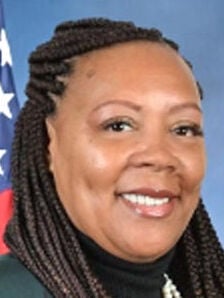
Larinda C. Hooks is New York State Assemblywoman for District 35 in northwestern Queens and a member of the Committee on Aging.