
This year’s Women’s History Month theme — “Leading the Change: Women Shaping a Sustainable Future” — resonates deeply on Long Island, where environmental, economic and civic sustainability are inseparable from the everyday work of women in our communities.
Sustainability isn’t just about protecting waterways or reducing emissions — it’s about building systems that allow people to thrive. Still, in economic spheres that should fuel innovation, women face structural barriers. Research co-authored by scholars at the Yale School of Management, Columbia Business School and the University of Toronto finds that women entrepreneurs are significantly less likely than their male counterparts to receive venture capital funding after launching startups — particularly after a previous venture fails — and raise substantially less capital even when performance is comparable. The study estimates that women founders are about 22 percent less likely to receive VC funding for a subsequent venture than male founders with identical experience.
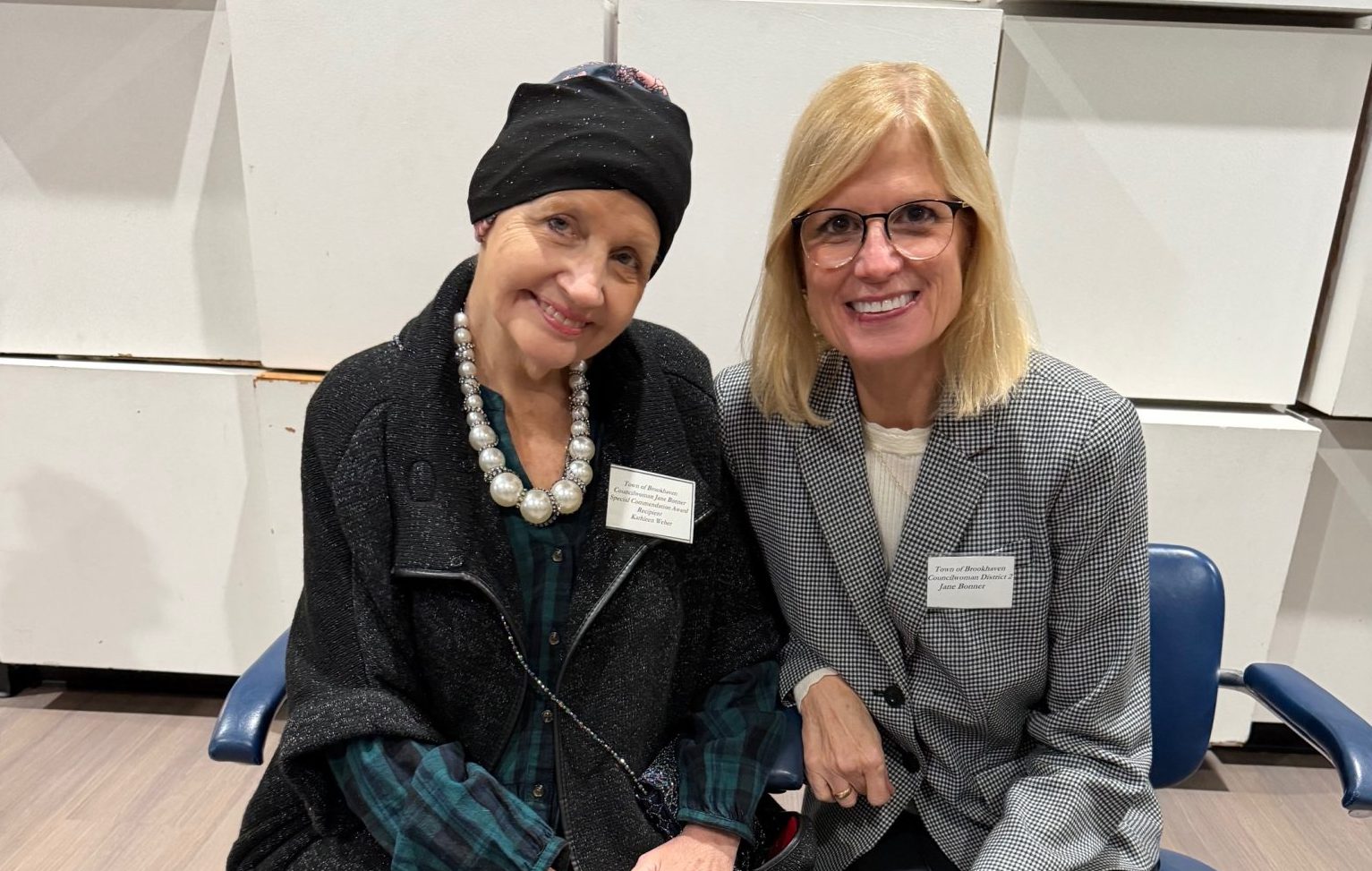
On Long Island, women are tackling those barriers while strengthening economic opportunity and community connection. Beyond funding, leadership begins at a local level, helping shape community identity. In Rocky Point, Kathleen Weber has demonstrated what sustainability looks like in practice. Through beautification initiatives such as community garden tours and the hanging baskets that brighten local business districts, Weber has helped cultivate not just aesthetics, but also pride and economic vitality.
Meanwhile, Sydell Costell, a 96-year-old honoree born just a decade after the Nineteenth Amendment to the United States Constitution, has dedicated decades to education, volunteerism and advocacy, demonstrating that civic engagement across generations can sustain the social fabric of a community.
Their work — recognized last week during Brookhaven Town’s Women’s Recognition Awards marking the 40th anniversary of its Office of Women’s Services — underscores a broader truth: residents who invest in their surroundings for the long term build sustainable communities.
The opportunities available to many women here are not universal. Around the world, millions of girls are denied access to education. Women in some nations cannot move freely, start businesses independently, or participate fully in civic life. Legal protections, property rights and even basic personal autonomy remain unevenly distributed. The ability to lead publicly, to organize, to build enterprises and to advocate for change — freedoms we may take for granted — are still contested in many places.
We should not accept these realities as immutable: they should inspire purpose. The rights secured over generations in this country carry with them a responsibility: to use them. Sustainability depends on engagement, which is a privilege women around the world are still fighting to attain.