
A recent spike in auto break-ins across Manhattan raised concern among Kansas State students despite K-State Police reporting zero auto break-ins on campus this semester.
The Riley County Police Department announced a 30% increase in crime in February 2026 compared to February 2025, specifically noting a rise in vehicle break-ins across the city. Despite this, campus police have not seen the same pattern, with no break-ins reported this semester and only a slight increase in overall theft. This contrast prompted questions as to why crime increased around Manhattan but not K-State, as officials focus on keeping K-State as safe as possible from all crime.
Cpt. Andrew Moeller, K-State Police Department public information officer, said while the department has not received any reports of auto break-ins this semester, there have still been 19 cases of theft reported.
“Unfortunately, that’s pretty normal,” Moeller said. “For us, it might be a slight increase of maybe five to 10% as compared to last year.”
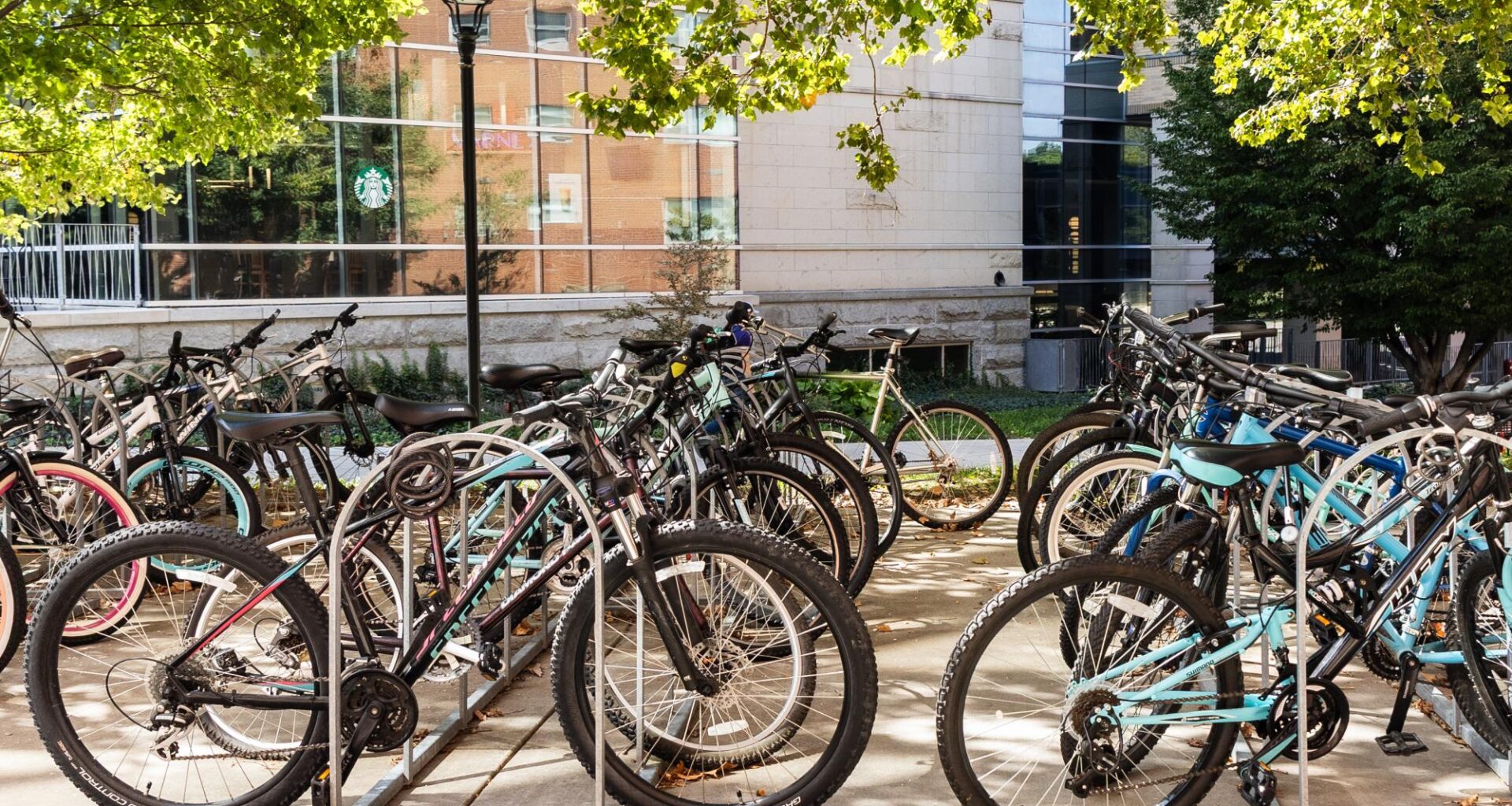
Bicycles remain the most frequently stolen item on campus, Moeller said.
“We’re moving along with SGA to get more cameras in places where people park their bikes, as part of that camera project … which we’re hoping will help us solve more of those thefts, but also be a huge deterrent and less act in real time to stop them.”
Carson Ablard, freshman in political science who bikes to and from campus daily, said the reports of bicycle thefts have made him more cautious.
“I’ve heard a couple people talk about their bike getting stolen, and that’s made me take the habits I need to secure my bike,” Ablard said. “Hearing about bicycles getting stolen definitely makes me fear for my own bike as well. Once again, it’s very expensive.”
Austin Littlepage, sophomore in criminology, said the difference in city and campus crime patterns is most likely due to environmental factors over anything else, and says media and perception can also play a role.
“I would interpret the increase in auto break-ins within Manhattan as the result of greater opportunity and environmental factors,” Littlepage said. “The perception of safety comes from exposure through the media and other outlets. Regardless of data, the fear of crime can increase when the actual risk is quite low.”
Kevin Steinmetz, criminology program coordinator and professor, said short-term spikes in crime, including the recent one in Manhattan, commonly occur in smaller communities and can be misleading. Specifically, a sudden increase can only be caused by one or two individuals, which can distort the data and lead to what looks like a trend.
“In a relatively small town like Manhattan, it might be because a small number of relatively prolific offenders suddenly become very active,” Steinmetz said. “If one person goes on a tear and breaks into 20 cars, it may look like a huge increase, but that spike is the result of one event, not a meaningful long-term trend.”
K-State Police said they remain in close contact with RCPD and continue to monitor crime increases and potential trends. For now, the department recommends students keep valuables out of sight, ensure cars are locked when unattended and invest in high-quality U-locks for bicycles.