
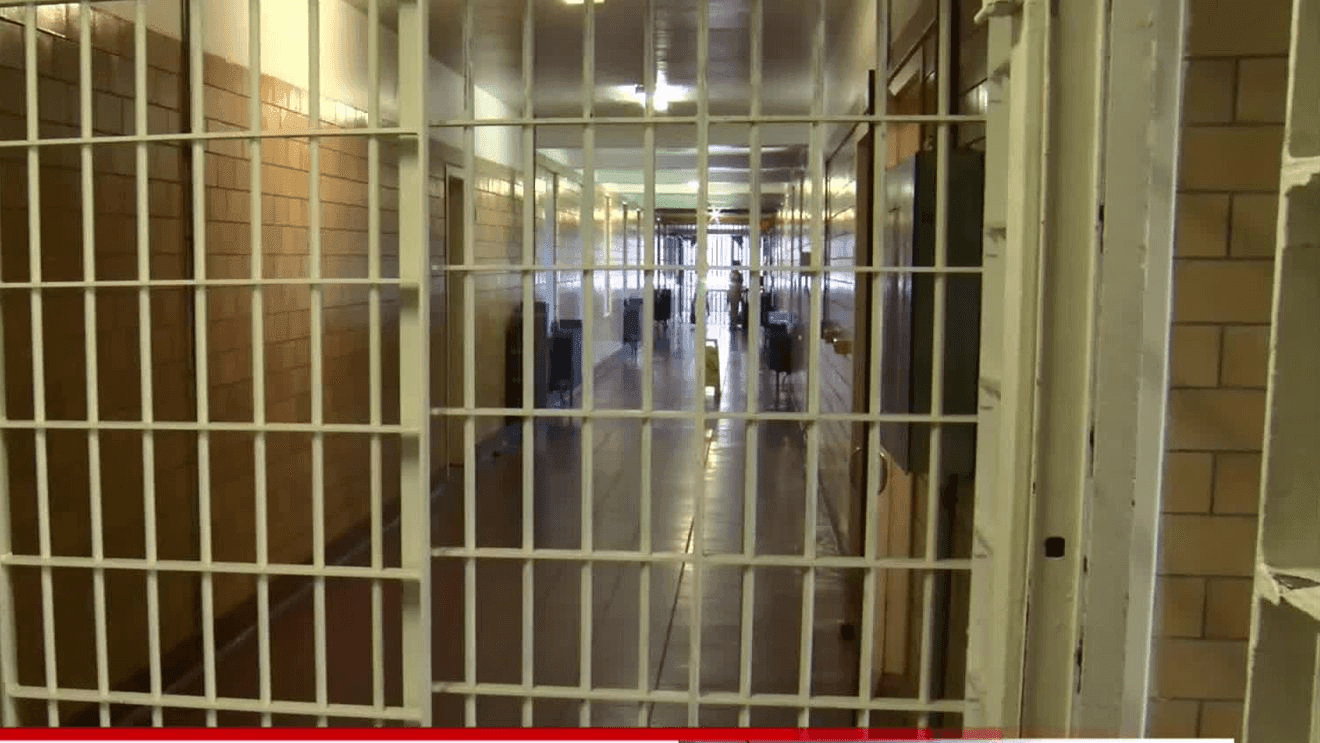
NYS Capital — After what they say was months of valuable research, the Correctional Association of New York (CANY) says they’ve put their Intensive Monitoring Initiative on pause, as they wait to learn if they will receive funding in this year’s FY2027 Budget.
After Robert Brooks and Messiah Nantwi were killed while in custody, which was followed by a wildcat Corrections Officer strike, the Correctional Association of New York received $3 million for enhanced oversight in the FY2026 State Budget.
“We have very limited capacity. We’re a small nonprofit organization. There are 41 correctional facilities across this big state of New York, and so the law requires us to carry out monitoring at each Correctional Facility at least once every five years,” Jennifer Scaife, Executive Director, Correctional Association of New York (CANY), said. “We were able to go back, not twice, but three times, to each of these six facilities. And really, you know, dig in to the issues that we were hearing about, follow up on them and then see how the conditions were evolving.”
Those six facilities included: Albion, Bedford Hills, Five Points, Green Haven, Marcy, and Mid-State Correctional Facilities
WRGB
They say they found similar issues across the board especially when it came to staffing shortages, bringing about safety concerns, limited access to programs and medical care.
“Certainly, every facility just about that we, that we carried out monitoring during the Intensive Monitoring Initiative is struggling with staffing challenges, and they’re really figuring out how to meet the kind of basic needs of the population, which includes access to recreation, outdoors, access to medical care, moving people from one point to another in the facility, get people out to outside medical visits, and giving people who work in the facilities time off. I mean, these are all things that that were significant challenges that have kind of knock on effects across the facility, not just in terms of of having to close a post. But then, if you know you’re making decisions between, you know, do we run a program today, or do we get people out for their scheduled medical appointments? I mean, these are kind of daily decisions that we’re told and many facilities are being made, and huge challenges that then, of course, drive the other issues that we have documented in our new report out today,” Scaife said.
In their FY2027 One-House Budget, the NY Senate proposed the $3 million for this Initiative once again, but it was not included in the Governor’s or Assembly proposals. That budget You can read their full report here.
WRGB
Commissioner of the New York State Department of Corrections and Community Supervision Daniel Martuscello appeared before lawmakers at the Public Protection budget hearing in February, saying that they had 4600 Corrections Officers vacancies. He added that of the 2000 that were fired during the strike, 900 have been rehired.
“I am committed to making sure our system is focused on people first and that we’re treating people with dignity, respect, and humanity regardless. We have one thing in common: we’re all people. Whether you’re staff, incarcerated, parolees, or visitors. From the top, I preach that every single day to staff and those who are incarcerated,” Martuscello told lawmakers. “We’ve engaged an outside law firm, as well as two other entities: Chicago Beyond and Amend, to conduct cultural assessments and bring holistic safety inside our institutions. We’re waiting on the results from the law firm, but we’re not stopping or waiting for that. We’ve changed policies with body cameras, updated our procedures, and are reexamining our training. The more we talk about this—and the more we stop talking about prison in the abstract and instead talk about the people, those who work and live there, the better. We should acknowledge the negative, but also focus on the good. If you’re constantly barraged—whether incarcerated or working there—with negativity, we should own that, and I’m not afraid to do so. But we also have to talk about the successes. We don’t achieve a 20% recidivism rate in the state by accident. That comes from incarcerated individuals doing good work, and from staff believing in the mission and doing good work. By showing that mission, we will attract the next generation of correctional professionals who believe in rehabilitation and redemption. The more we talk about those aspects, the better we will be as a society.”
Full conversation with Jennifer Scaife: