
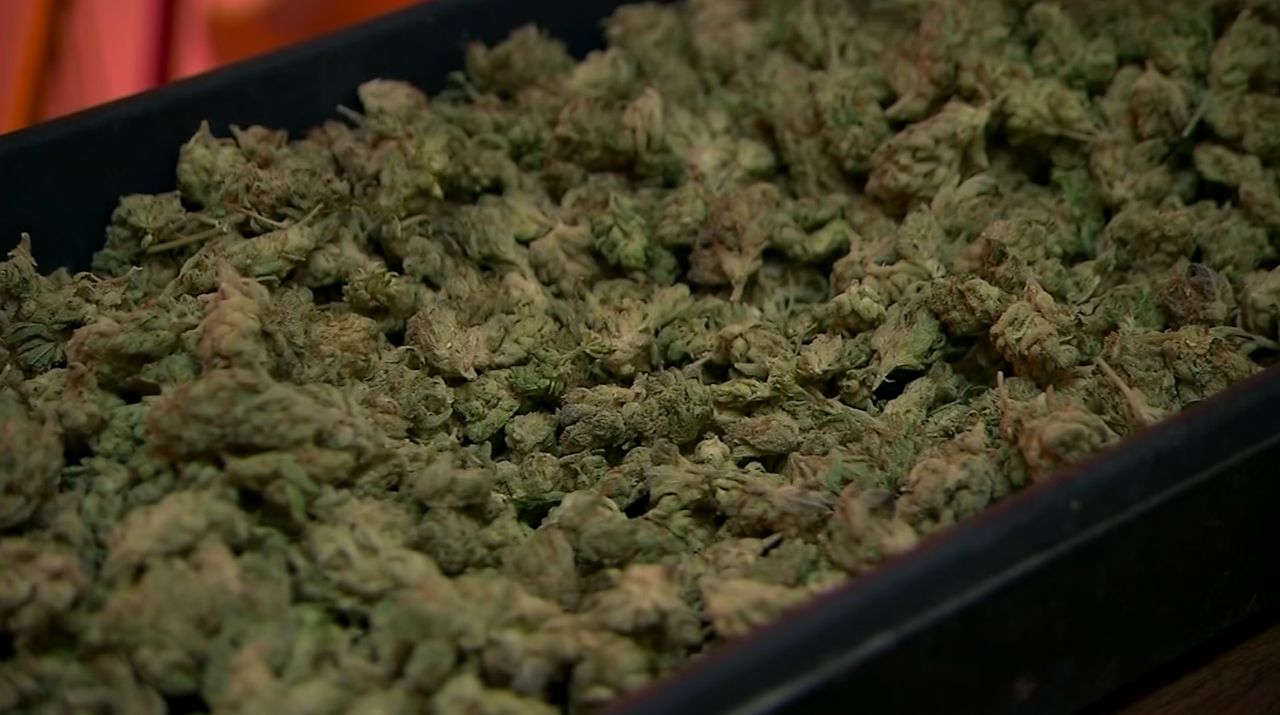
When New York legalized recreational cannabis five years ago, state officials made a sweeping promise: funnel a significant portion of tax revenue back to the communities most devastated by the War on Drugs.
So far, the return has been modest.
The state’s Community Grant Reinvestment Fund, administered through the Office of Cannabis Management, has completed one round of grants. Between 2024 and 2025, $5 million was distributed — 50 grants of $100,000 each — to nonprofit organizations across the state focused on mental health services, workforce development and housing stability. Each region received at least two grants.
Under state law, 40% of cannabis tax revenue is set aside annually and allocated through the state budget process into the grant fund, according to an OCM spokesperson.
“New York is not the first state to reinvest tax dollars back into drug war harmed communities, but we’re the only state to do so at the level of 40%,” said Matt Wilson, director of the Community Grant Reinvestment Fund. “So it’s really a significant commitment that the state made to repairing past harms.”
OCM officials say additional funds have been set aside and will be released pending the state budget process.
But not everyone is satisfied with how the program has unfolded.
Assembly Majority Leader Crystal Peoples-Stokes, a longtime advocate for cannabis equity, said the program took years to get off the ground as a new initiative, and while she acknowledged it needed time to build a tax revenue base, she expressed concern about where the first round of grants ultimately landed.
“I’m not necessarily satisfied with where it’s going,” Peoples-Stokes said. “I think we just have to restructure how it’s being done. Otherwise, we’re going to continue giving the resources to the people who write the best grants. We know the districts where the people live who were harmed by the war on drugs. We have the data. And so the resources could be going into those specific communities.”
Peoples-Stokes said she envisions future funding going beyond nonprofits to support community infrastructure and programs aimed at moving people off the streets and into constructive activities.
OCM officials echoed that vision, saying they are working to use cannabis tax resources to rebuild affected communities in what they described as a transformative approach.