
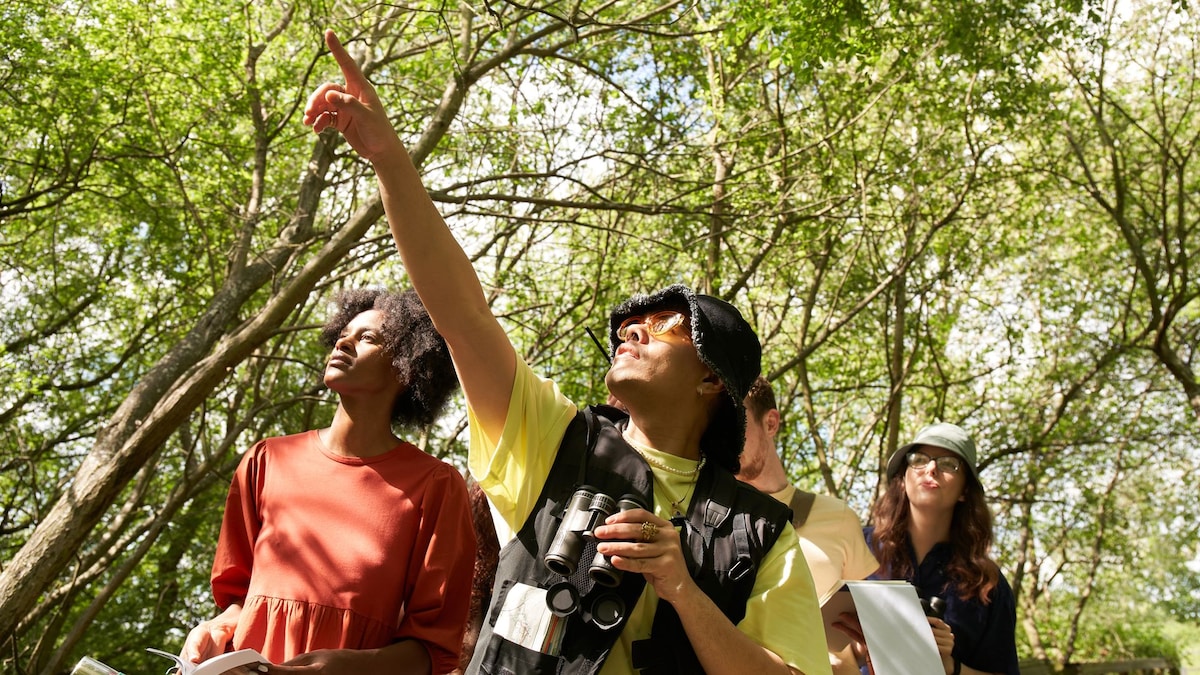
This spring, something unexpected is stopping busy New Yorkers in their tracks—literally. In the middle of Midtown Manhattan, crowds are forming around a small, well-camouflaged bird: the American Woodcock. What would normally go unnoticed has turned into a full-on urban wildlife moment, blending curiosity, community, and a deeper environmental story.
Bryant Park, typically known for office lunches and seasonal events, has transformed into a hotspot for birdwatching. Office workers, tourists, and longtime locals are pausing their routines to catch a glimpse of this elusive migrant. People are bringing binoculars, swapping tips, and even bonding with strangers over sightings.
 © Getty ImagesIn the middle of Midtown Manhattan, crowds are forming around a small, well-camouflaged bird: the American Woodcock.
Meet the American Woodcock: The “Dancing” Bird Everyone Loves
The American Woodcock is not your typical city bird. Despite its name, it’s actually related to shorebirds but prefers woodland and shrub habitats. It has a round, compact body, a long, straight bill, and perfectly camouflaged feathers that blend into leaf litter.
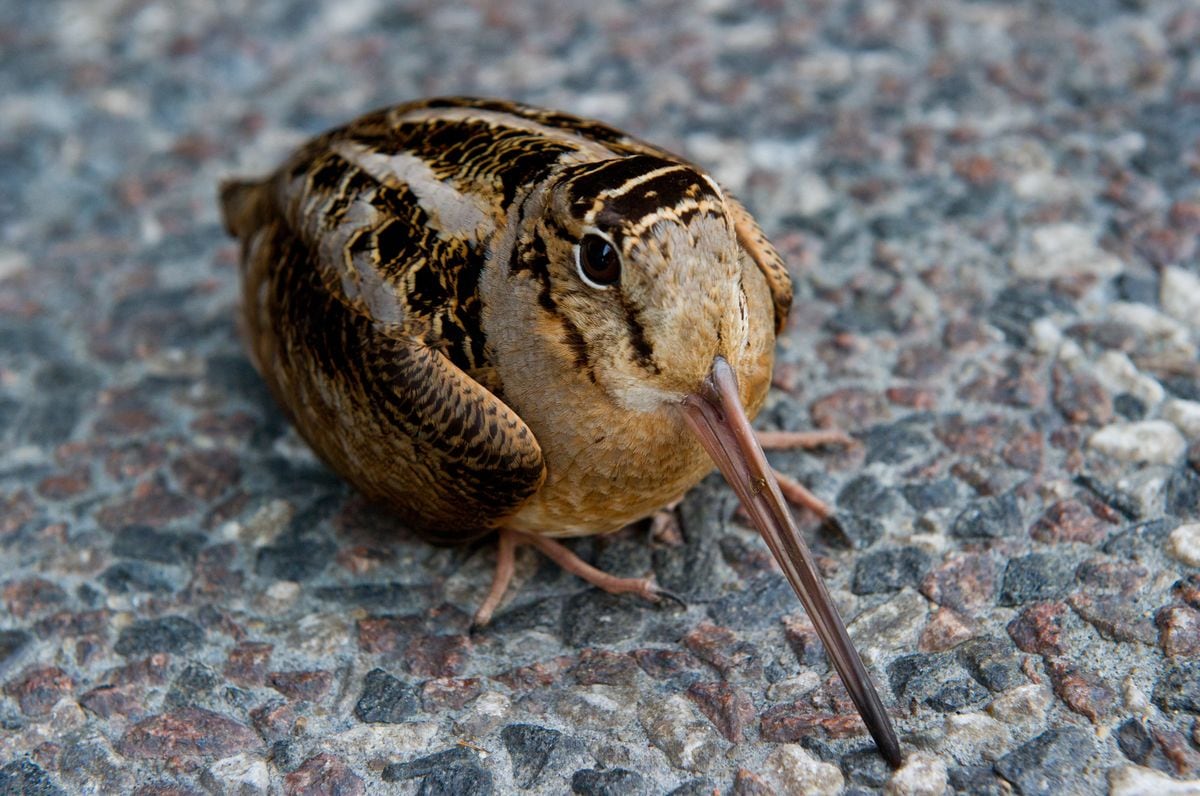 © AFP via Getty ImagesThe American Woodcock (Scolopax minor), sometimes colloquially referred to as the Timberdoodle, is a small chunky shorebird species found primarily in the eastern half of North America.
What’s captivating crowds is its unusual movement. The bird appears to “dance,” rocking its body as it walks. This behavior isn’t just for show; it’s part of its feeding strategy. The woodcock probes the soil for earthworms, and the rocking motion may help it detect movement underground. To human eyes, it looks oddly charming, almost theatrical.
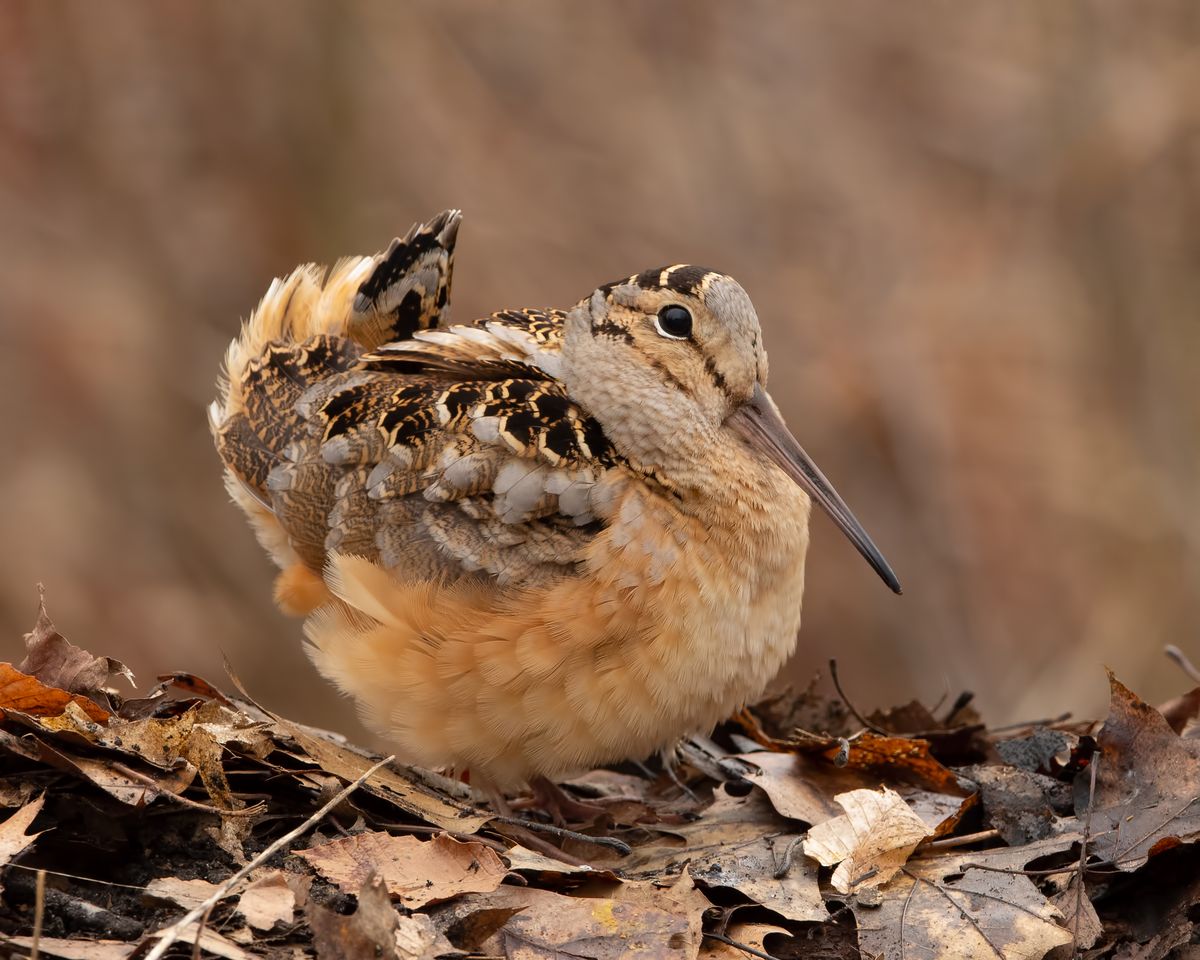 © Getty Images Woodcocks spend most of their time on the ground in brushy, young-forest habitats, where the birds’ brown, black, and gray plumage provides excellent camouflage.
Why Bryant Park Became a Birding Destination
At first glance, it might seem strange that a migratory bird would choose a busy urban park. But when you look closer, it makes sense. New York City sits along a major migration route, and green spaces like Bryant Park act as essential stopovers.
For woodcocks, the key factors are food and shelter. They rely heavily on earthworms, which thrive in moist soil. Bryant Park’s landscaped beds, shrubs, and mulched areas create ideal micro-habitats where the birds can rest and refuel.
These small patches of nature become critical during long migration journeys. Even a compact park can function like a pit stop, offering just enough resources for birds to recover before continuing their journey north.
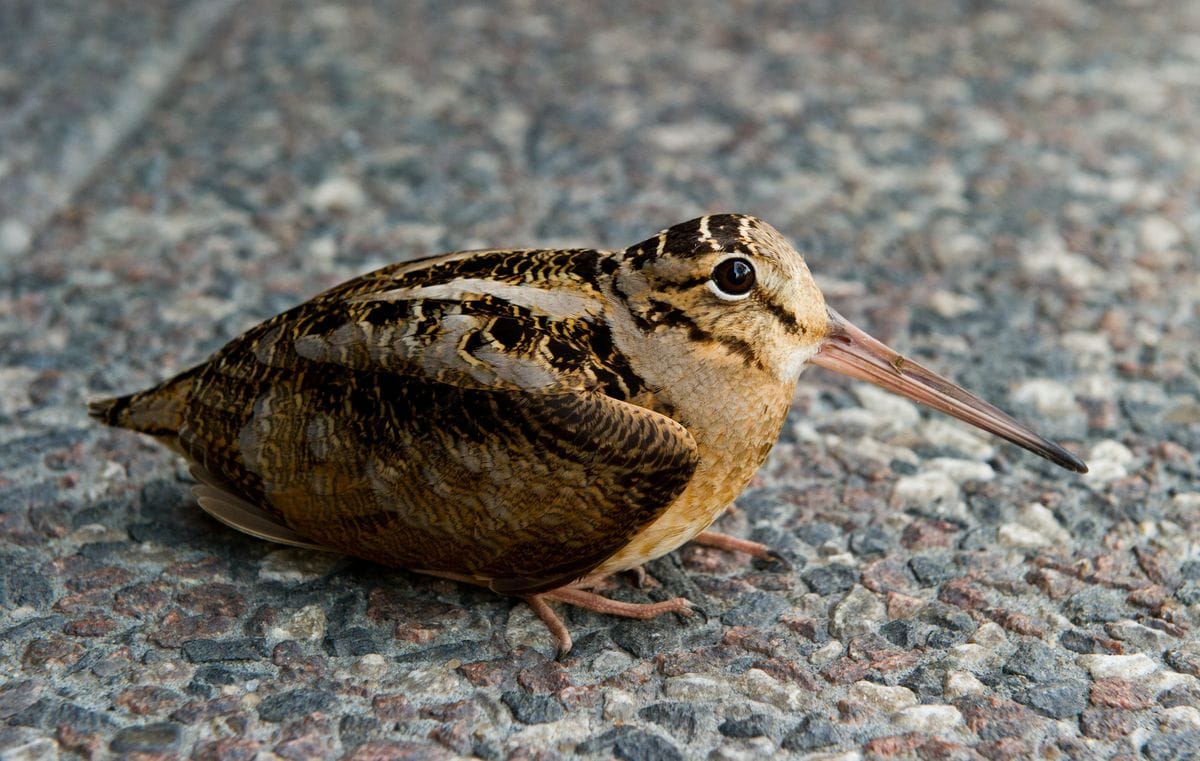 © AFP via Getty ImagesThe birds’ brown, black, and gray plumage provides excellent camouflage.
While the scene feels uplifting, there’s a more complicated reality underneath. Cities present serious challenges for migrating birds. Bright lights and reflective glass can disorient them, increasing the risk of collisions.
Bryant Park sits in a dense, high-rise area filled with these hazards. Conservation groups have long pointed out that urban environments can act as “ecological traps”—places that attract wildlife but also expose them to danger.
When and Where to Spot the Bird
Timing is everything if you want to catch a glimpse. The American Woodcock typically passes through New York during early spring, especially March through early April. Recent sightings in 2026 confirm this window, with multiple observations recorded throughout the season.
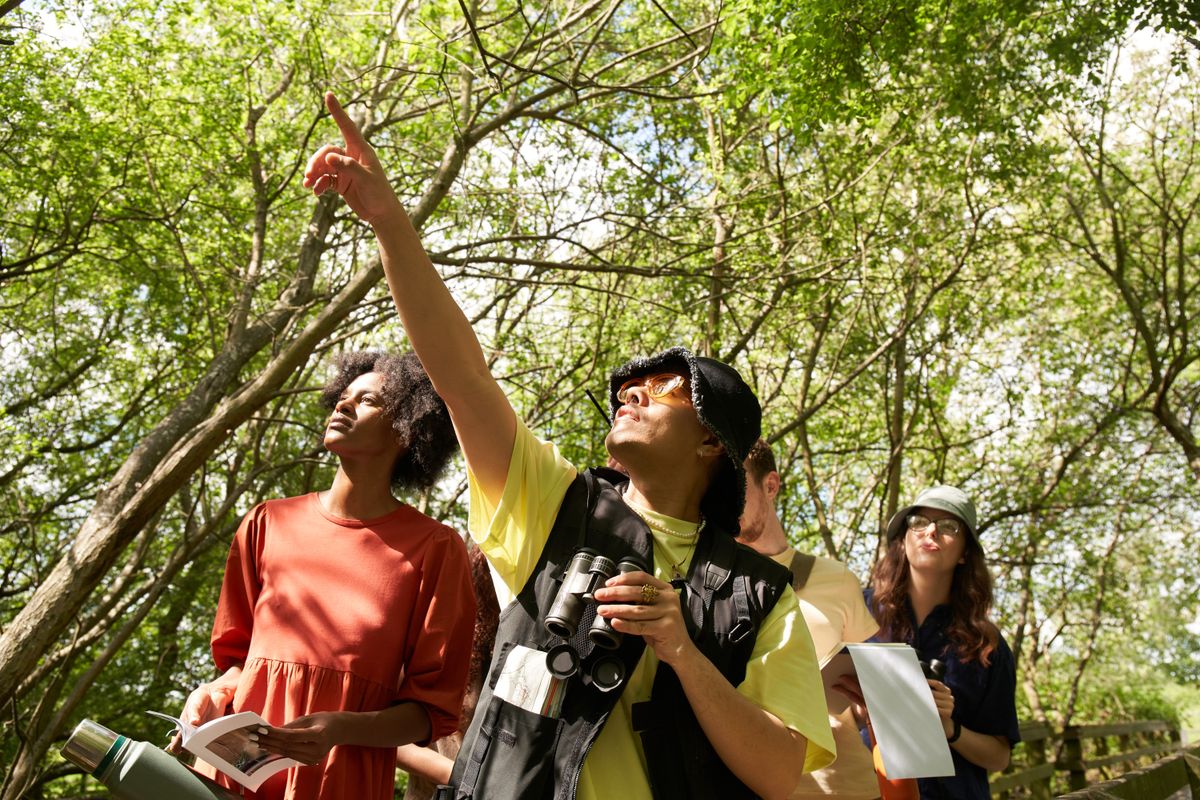 © Getty ImagesThe American Woodcock typically passes through New York during early spring, especially March through early April.
A simple tip: if you see a small crowd quietly focused on a patch of bushes, you’re probably in the right place. Keep a safe distance. If the bird changes its behavior because of you, you’re too close. Avoid flash photography and never try to flush it for a better view. The goal is to observe, not interfere.