
“In the poorest zip codes in the state, from Brownsville to Buffalo, children are languishing on waitlists as their mental health deteriorates, heightening the risk of hospitalization, institutionalization, and even incarceration.”
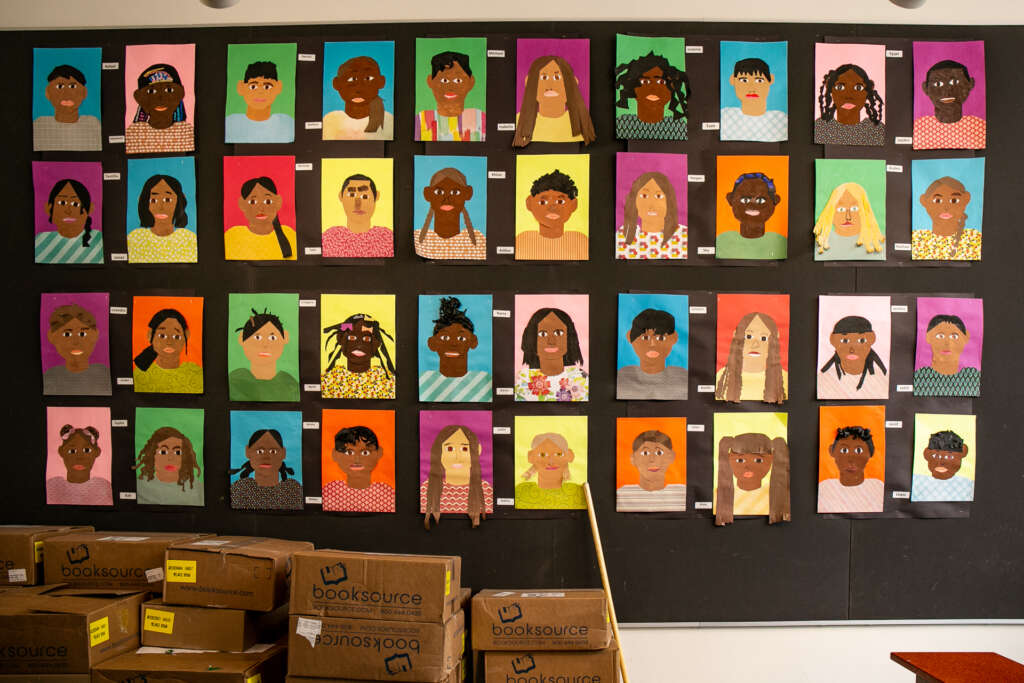
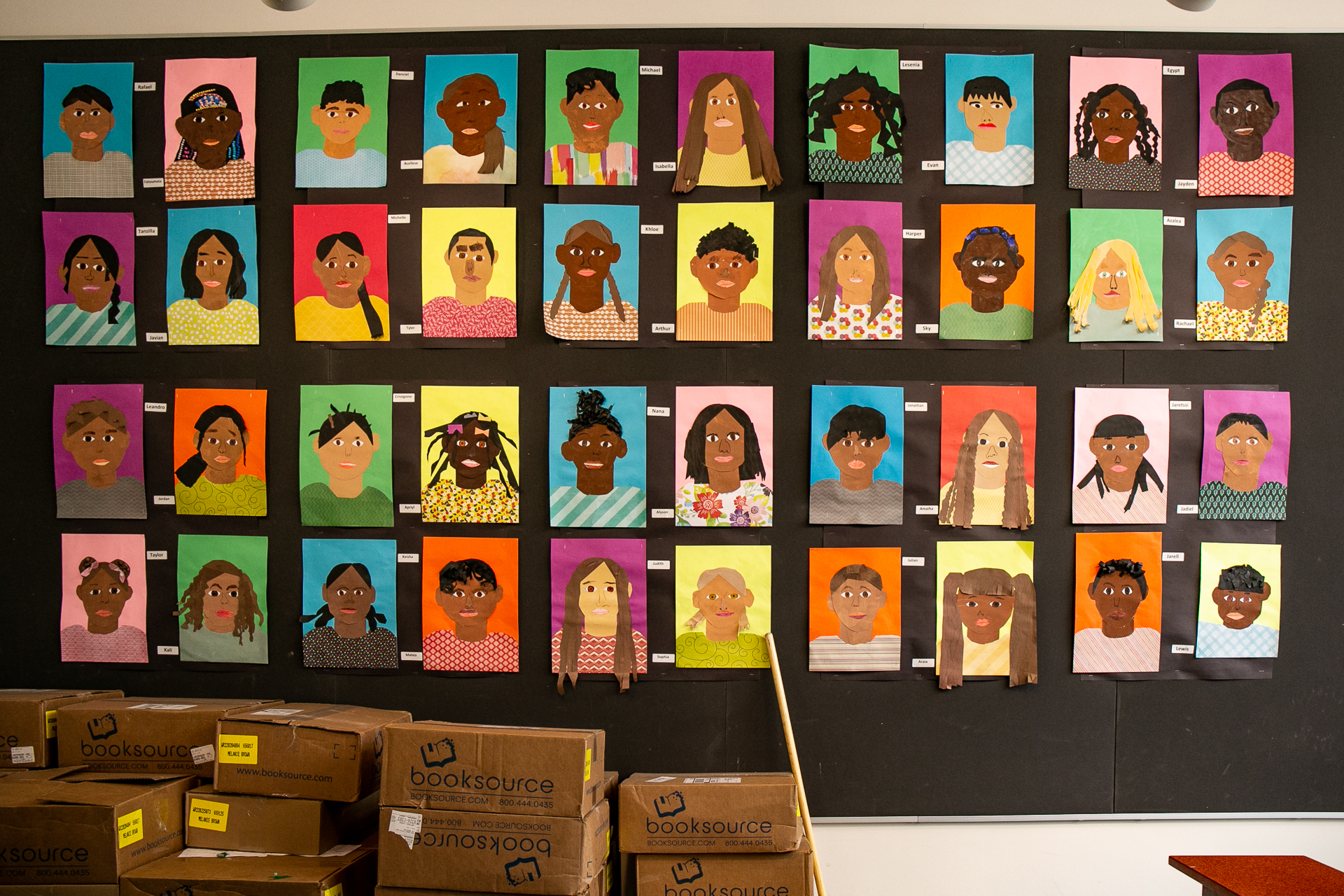 Children’s art on display at a school in the Bronx. (City Limits/Adi Talwar)

A young boy in Brooklyn loses his mother to a car accident. To process his intense grief, he is connected to a health home care manager through JCCA, one of the nonprofit providers in New York’s children’s behavioral health system. Over time, the boy begins to trust the clinician, who helps him build resilience in the wake of tragedy.
But one day, the clinician leaves. When caseworkers try getting back in touch with the boy, he won’t answer. His trust broken, he is beyond reach. Sadly, clinicians frequently leave our workforce due to the low pay, taxing workload, and demanding evening hours.
At youth mental health providers across our city and state, stories like this are painfully common. Providers, most of them nonprofits, are being stretched to the limit due to stagnant state support. For hundreds of thousands of children, care is disrupted or inaccessible altogether. The state’s failure to invest in the organizations and practitioners that provide care led four families to sue in October 2022, seeking to overhaul a youth behavioral health system defined by widespread unmet need.
A 2024 report found three in four children in New York State eligible for outpatient Medicaid behavioral health services were not receiving them—a figure that rises to four in five in the city. For clinic services alone, that’s approximately 320,000 children statewide and 195,000 children citywide who are not getting the care they need in their communities.
Along with the social and economic hardships of living on a lower income, many Medicaid-eligible children also have acute behavioral needs—and fewer support systems to rely on. In the poorest zip codes in the state, from Brownsville to Buffalo, these children are languishing on waitlists as their mental health deteriorates, heightening the risk of hospitalization, institutionalization, and even incarceration.
But now, children, families, and providers are receiving a measure of justice. The State agreed to settle that 2022 lawsuit last August, and the settlement implementation process formally began in mid-January when a federal judge granted final approval of the agreement. Under the settlement, the state is legally obligated to bolster access to services, in part by improving Medicaid reimbursement rates to service providers. These payments are an essential funding source for nonprofit providers, ensuring they can meet the needs of Medicaid-eligible children.
These Medicaid reimbursements cover the continuum of home- and community-based care, including intensive care coordination, home-based behavioral health services, and mobile crisis services. Each plays a part in treating children’s problems at home, alongside their families.
The process often begins with care coordination: a case manager meets with the family to assess the child’s challenges and needs, develop an individualized care plan, connect the family to appropriate services, and strategize responses to future challenges. Then, a qualified provider such as a therapist can meet the family in their home, school, or other community setting to deliver intensive services aligned with their care plan, everything from anger management and social skills to family therapy.
These interventions help families manage symptoms and heal from their conditions, but progress is not always linear—mobile crisis services must be at the ready to help de-escalate situations at home, before a young person lands in a hospital bed or handcuffs.
Unfortunately, with low reimbursement rates, these services are often inaccessible. Providers are buckling under the twin pressures of inflation and stagnant Medicaid payments. This powers a vicious cycle: providers cannot pay staff competitive salaries, causing workforce shortages and burnout, stretching the remaining practitioners even thinner.
Worse, when providers take losses, they often cannot sustain their programming. At JCCA, we recently discontinued our Medicaid home- and community-based services entirely. We are not alone: organizations across the city and state forced to make the painful decision to withdraw from these vital services. And when that happens, children—like the grieving boy from Brooklyn—go without care.
The lawsuit settlement is a clarion call for the state to address the widespread lack of access to youth mental healthcare. While we appreciate the State Assembly’s modest proposal to invest $20 million to improve reimbursement rates, the Senate and the governor failed to include any new resources in their budget proposals. We cannot afford to leave providers out in the cold: in the final budget, our state must allot at least $200 million to increase children’s outpatient Medicaid reimbursement rates.
Bold legislative action is necessary to ensure providers can serve children and families. Anything less will be both a moral failure and a dereliction of the state’s legal responsibility.
Ann Marie Scalia, Esq. is the CEO of JCCA. Kayleigh Zaloga is the president & CEO of the NYS Coalition for Children’s Behavioral Health.