
Read our review of Cats: The Jellicle Ball on Broadway, a reimagined revival of Andrew Lloyd Webber’s Cats that won multiple awards for its 2024 Off-Broadway run.
The temptation to pack this review of Cats: The Jellicle Ball on Broadway with feline-related puns — to call it “purrfection” and the “apple of the cat’s eye,” to hope this show “has nine lives and then some” — is overwhelming. But such meager wordplay would fail to capture the alchemy apparent on stage and in the audience of the production, reenvisioned by directors Zhailon Levingston and Bill Rauch and choreographers Omari Wiles and Arturo Lyons. Plunking Cats — once Broadway’s longest-running show — in the similarly historic world of ballroom — a dance art innovated by transgender and queer people of color primarily in Harlem — not only invigorates Andrew Lloyd Webber musical, but grounds it and gives it shape in a way previous productions often struggled to.
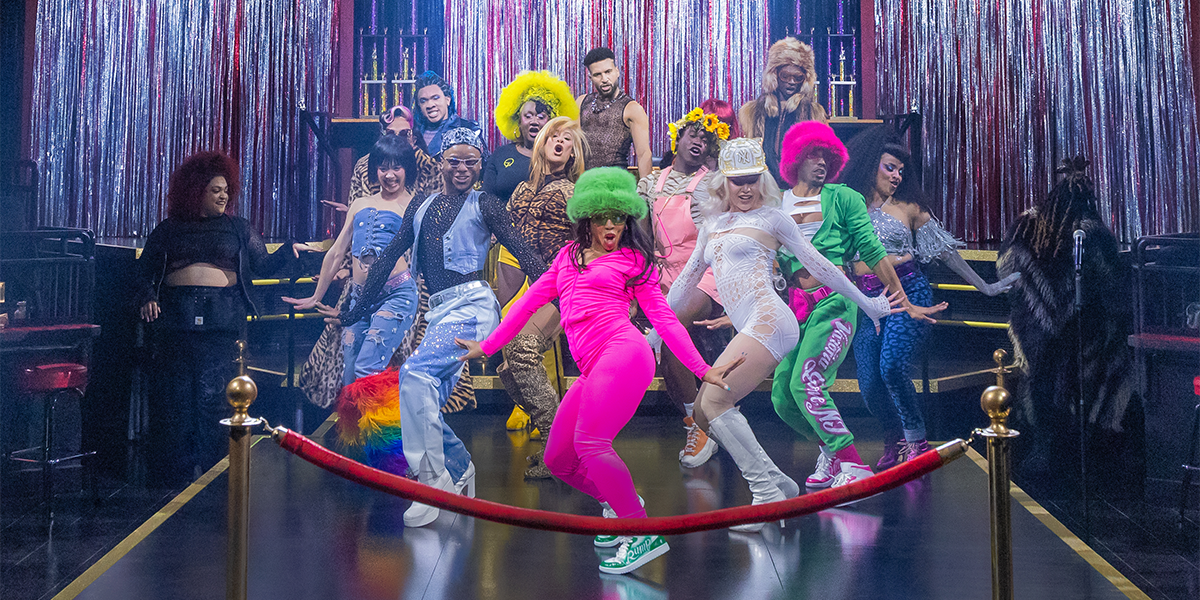
Cats: The Jellicle Ball has moved to the Broadhurst Theatre from the Off-Broadway Perelman Performing Arts Center, where it premiered in 2024. Though the move has corralled the felines to a slightly tighter space — the stage is smaller and the runway is shorter — the team’s miraculous harnessing of spectacle, history, and community remains. If anything, these cats sashaying down the stage, performing their best ballroom moves, boils over with even more energy and beauty.
Webber and director Trevor Nunn’s original 1982 production, with choreography from Gillian Lynne, was a modern/jazz/ballet fever dream built loosely around a dance competition among cats. Levingston, Rauch, Wiles, Lyons, and music director/supervisor William Waldrop’s reinvention builds out ideas and themes only gestured at, and it does so with minimal changes to the original libretto and score. Cats: The Jellicle Ball foregrounds the work’s sense of joy, communal play, and the thrill of intergenerational support, but by situating the show in something like the real world, it is also able to crystallize the loneliness, withered desire, and sense of history at the text’s heart.
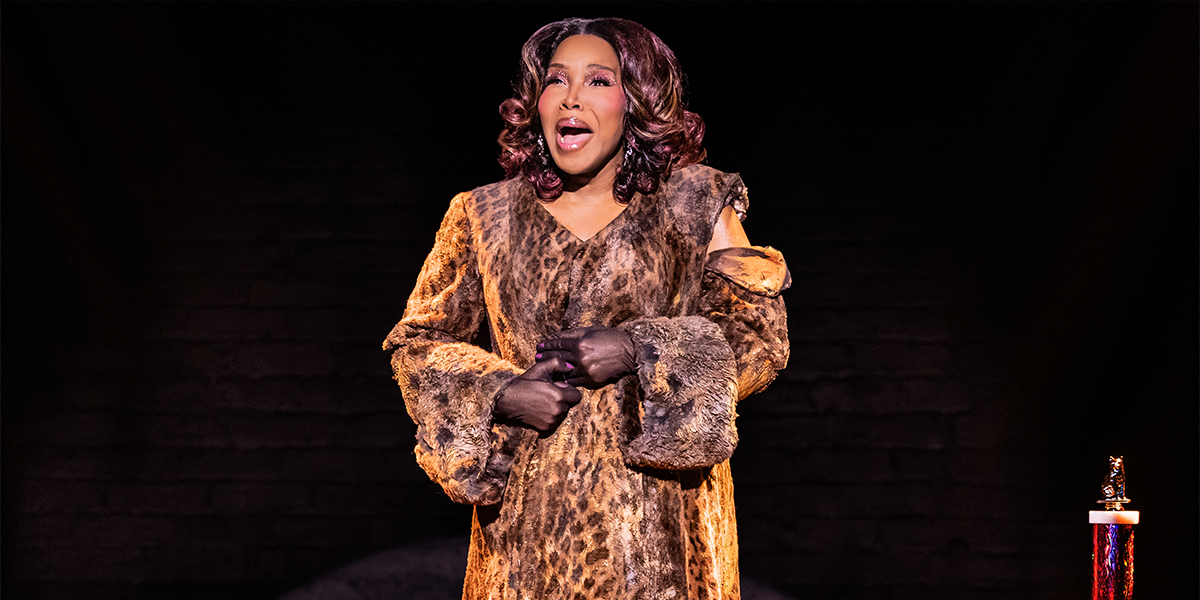
This melancholy is most famously encapsulated in the showtune-to-end-all-showtunes: “Memory.” Sung with exceptional gravitas by “Tempress” Chasity Moore as Grizabella, it makes a clear connection to the ways queer and trans people are regularly disenfranchised and systematically erased from history, finally anchoring her plot as a “faded diva” to the rest of the musical. As she twirls her hands, tentatively remembering movements from her youth, this Grizabella becomes not just the archetype of someone playing a once-glistening glamourpuss, but a member of the ballroom world ascending to her deserved legendary status.
The original show’s song-cycle structure is an advantage, allowing each character to have their own moment of specificity beyond the ballroom battle. Cats: The Jellicle Ball lives on its small gestures and signals: A cat sings “Are you mean like a minx?” and throws back a swish of vodka straight from the bottle; Skimbleshanks the Railway Cat (Emma Sofia) pantomimes getting something out of her teeth as she rides the subway; a cat from the Haus of Dots shoots a quicksilver glare at a kitty from the Haus of Macavity. Even the way the cast roots for one another during each category feels sublime.
Cats: The Jellicle Ball’s nervy fun, total sincerity, and embrace of over-the-top theatricality are already reason enough for the curious cat to check it out. But that it turns Cats into an electrifying community that audiences get to join makes The Jellicle Ball the must-see show of this or any season, and the bar against which revivals of canon shows should be measured against.
Cats: The Jellicle Ball summary
Reinventing composer/lyricist Andrew Lloyd Webber’s long-running dance musical, Cats: The Jellicle Ball sets the action in the ballroom world, where each “cat” competes in various dance, fashion, and performance categories on behalf of chosen-family groups called houses (or “hauses”). They show off their best dips, splits, and kicks to win the favor of elder cat Old Deuteronomy (André De Shields), who will award one cat the chance to ascend to a new life in the Heaviside Layer.
Cats features characters first created by T.S. Eliot in his 1939 children’s poetry collection Old Possum’s Book of Practical Cats.
What to expect at Cats: The Jellicle Ball
Cats: The Jellicle Ball mixes dance musical, fashion show, and high camp anthropology. A modest runway (by scenic designer Rachel Hauck) on the stage extends a few feet into the audience, and lighting by Adam Honoré balances theatrical spotlights and throbbing club flickers. Audiences are encouraged to clap, cheer, and clack their fans (you can buy one at the merch stand if you don’t have your own), which creates a sense of unity during each category that practically vibrates through the crowd.
Ballroom history isn’t just used as garnish, but deeply enmeshed in this production. Junior LaBeija, a ballroom legend widely known from the documentary Paris Is Burning, plays Gus the Theatre Cat. Leiomy, nicknamed the “Wonder Woman of Vogue” and a choreographer on the ballroom-centric TV show Pose, steps into the ferocious heels of Macavity. And choreographers Wiles and Lyons are both prominent in the ballroom community, the former a founder of the House of Nina Oricci and the latter a member of the House of Miyake Mugler.
What audiences are saying about Cats: The Jellicle Ball
“No real [words], it’s just f—ing perfect.” – Mezzanine user Rachel Roberson
“oh CAT! This is culture. This musical finally makes sense. Everyone needs to see it expeditiously.” – Mezzanine user Philip
“This was one of the most electrifying, original, inspired, and affirming experiences I have ever had in a theater. It is a joyous and unapologetic celebration of the subculture that has shaped our mainstream culture for years! Go see it! Be Loud! Have fun! Come one, come all!” – Anonymous Show-Score user
“I loved it! I saw it twice in one week and couldn’t stop smiling all the way through. This was a Cats revival I could relate to; it was full of energy, individuality, and colorful design.” – Anonymous Show-Score user
Read more audience reviews of Cats: The Jellicle Ball on Show-Score.
Who should see Cats: The Jellicle Ball
Those hungry for gorgeous looks on stage should see The Jellicle Ball for the work of Qween Jean, who has designed some of the most thrilling costumes on Broadway.
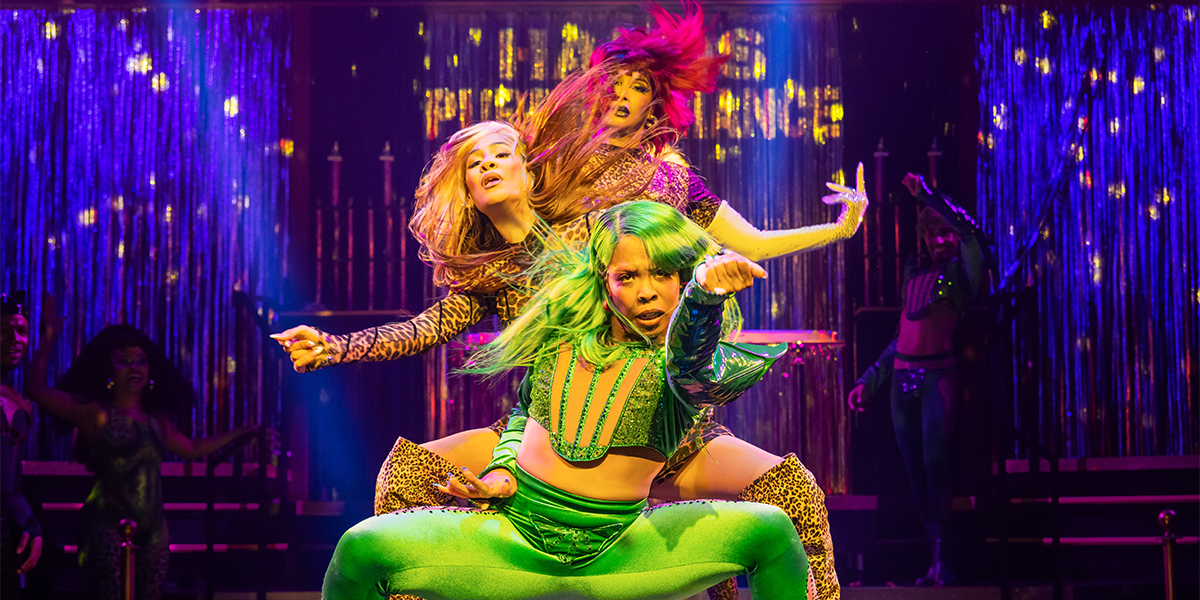
Audiences looking for great dance should look no further than The Jellicle Ball. Omari Wiles and Arturo Lyons’s choreography is mesmerizing in its dynamism, athleticism, and ability to draw a direct line between past, present, and future of queer creativity.
Those fond of Andrew Lloyd Webber’s music will be delighted to hear both how its original tracks and its newly pumped-up beats not only add new dimensions to the show’s score, but also reveal how much of the original music was indebted to music styles that developed among Black communities, like rock and roll, R&B, blues, jazz, and house.
Learn more about Cats: The Jellicle Ball
It’s not just that Cats: The Jellicle Ball finally makes Webber’s dance musical make sense. It’s that the show is now imbued with a tangible emotional thrust, bringing to life what was dormant but always there. It makes breathlessly clear the beauty of community, creativity, and personal expression as crucial forms of resilience in this life and the next.
Photo credit: Cats: The Jellicle Ball on Broadway. (Photos by Matthew Murphy and Evan Zimmerman for MurphyMade)