
This column originally appeared in The Politics Brief, our weekly newsletter on the people, power and policies that shape New Yorkers’ lives.
Sign up to get the full version, where you can ask questions, share news tips and weigh in on the conversation. Hits inboxes on Wednesdays.
What can you really accomplish in 100 days?
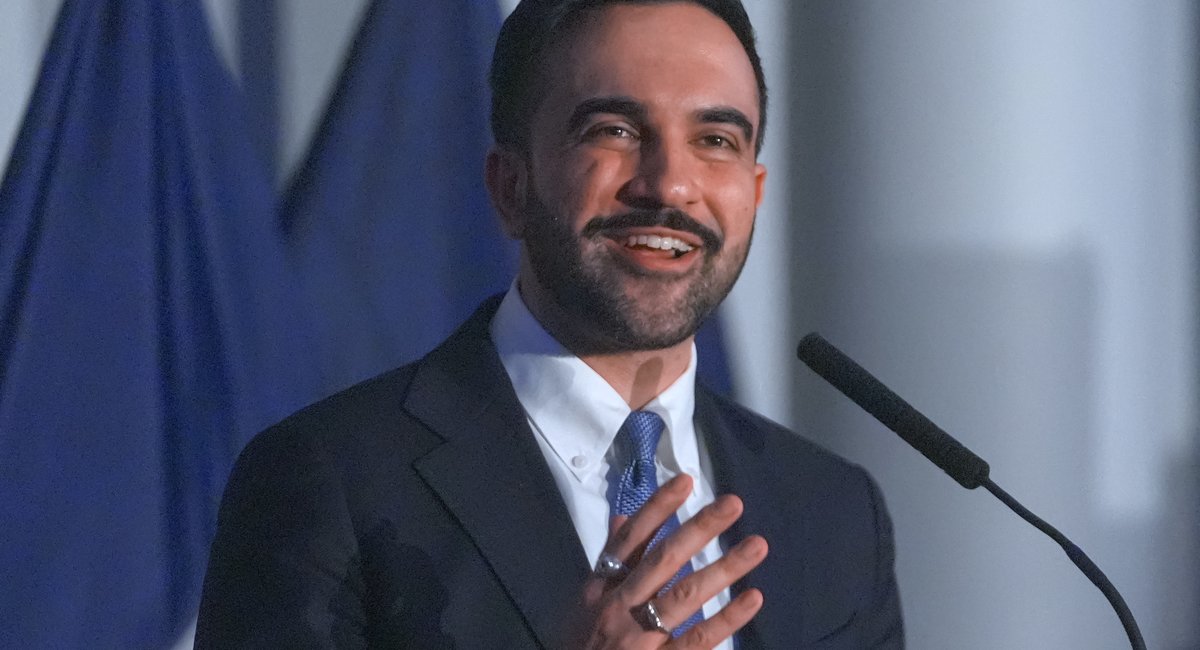
It is a benchmark that Mayor Zohran Mamdani has embraced since taking office at the beginning of January. And this Sunday, he will tout his accomplishments thus far in an address from a trendy performance space in Queens.
The young mayor has set a high bar for his administration. During his victory speech on Election Day, he said he would usher in an age where New Yorkers could expect “a bold vision” of achievement.
“Central to that vision will be the most ambitious agenda to tackle the cost-of-living crisis that this city has seen since the days of Fiorello La Guardia: an agenda that will freeze the rents for more than 2 million rent-stabilized tenants, make buses fast and free, and deliver universal child care across our city,” Mamdani said.
I’ve been thinking about that comparison between Mamdani’s goals and the legacy of the city’s Depression-era mayor known as the Little Flower ever since. During his three terms as mayor, La Guardia left a lasting imprint on the city’s skyline and changed New Yorkers’ expectations of city government.
Mamdani will join us for a conversation about his first 100 days here at The Greene Space on Monday, April 20 at 7 p.m. He’ll take my questions — and yours — about what his administration has done so far, where it’s headed and what lessons he’s drawn from the legacy of La Guardia, who notably spoke directly to New Yorkers over WNYC’s airwaves.
Click here to register for the livestream of the event. You can also submit a question for the mayor.
La Guardia came to power in 1934 with a pledge to clean up City Hall. His tenure followed an era of Tammany Hall corruption underscored by the city’s fast-living, nightlife-loving Mayor Jimmy Walker. Walker resigned from office and fled to Europe rather than face potential criminal charges connected to the conduct of the NYPD.
On La Guardia’s first day in office, he set aside the fanfare of an inaugural celebration and instead swore in a new police commissioner and then spoke directly to members of the department calling on officers to recommit to cleaning up the city or resign.
As a Republican mayor who believed a progressive vision of city government could help improve the lives of its residents, La Guardia went on to help reset the city’s finances, emerging from the depths of the Great Depression with a focus on improving transit and housing.
Some of his greatest achievements were only made possible because of his relationship with President Franklin D. Roosevelt, a Democrat and fellow New Yorker who also saw government as a tool for the many.
On the 100th day of his administration, La Guardia delivered an address that was broadcast nationwide, where he detailed his efforts to assuage the city’s fiscal crisis and streamline the delivery of government services, like creating a single Parks Bureau under the leadership of his storied Parks Commissioner Robert Moses.
Recent mayors have followed suit, using the 100-day marker as a way to reinforce their agenda and their commitment to delivering for New Yorkers.
Mayor Michael Bloomberg delivered his first 100 days speech in April 2002 to an audience of business leaders from the Partnership for New York City on the same floor where he once worked. Bloomberg was focused on lifting the city out of a fiscal crisis and rebuilding Lower Manhattan after the 9/11 attacks.
“What did I do in the first 100 days? I think the answer is I got ready for the next 1,000,” Bloomberg said.
Mayor Bill de Blasio delivered his 100-day address from Cooper Union, the same place where Abraham Lincoln delivered his historic 1860 address denouncing slavery. His speech invoked his work to launch universal pre-kindergarten, new paid sick leave legislation and a street safety goal to eliminate all traffic deaths known as “Vision Zero.”
“The truth is much of the work of governing, especially in a place as cacophonous and fluid and frenetic as NYC is, is really about winning the day, or the week, and stringing as many of those wins together in as long a streak as possible,” said Phil Walzak, de Blasio’s press secretary at the time. “From that perspective the 100 days speech offers a big ticket, high-profile way to do that.”
Mamdani’s speech will likely emphasize his administration’s accomplishments, from filling 100,000 potholes to securing a multiyear, multibillion-dollar commitment from Gov. Kathy Hochul to expand the city’s child care offerings. He will also set the stage for the rest of his administration’s agenda and how he hopes to transform the city on par with La Guardia.
Join the live webstream to hear my conversation with Mamdani on April 20 at 7 p.m. You can also submit your own questions for him here and then tune in to hear if he answers.
Until then, as La Guardia would often say: patience and fortitude.