
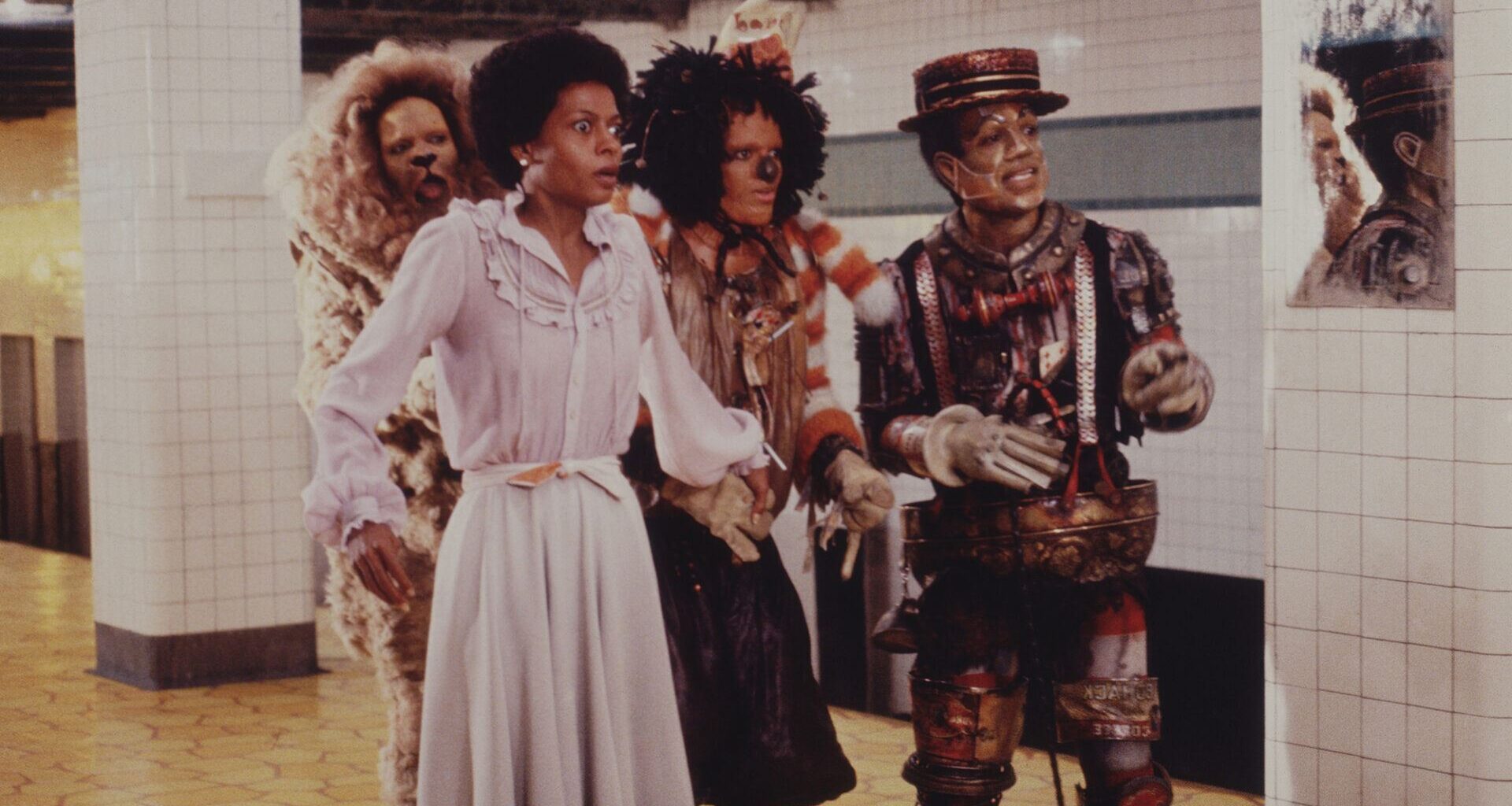
Hoyt–Schermerhorn Streets station has always been a bit of a shapeshifter. To commuters, it’s always been a Downtown Brooklyn workhorse. But to filmmakers, it’s played everything from Union Square to a fantasy realm. Now, as the station turns 90, Brooklyn Academy of Music is giving it top billing.
Running from April 9–16, “Hoyt-Schermerhorn: Stand Clear of the Closing Doors” is a weeklong film series dedicated entirely to movies shot in and around the station. Programmed by Adam Goldberg as part of BAM Film 2026, the lineup is both a birthday celebration and a cinematic scavenger hunt, where spotting a familiar tile or platform becomes part of the fun.
RECOMMENDED: The 101 best New York movies of all time
If you’ve ever felt like a subway scene looked suspiciously like Brooklyn when it was supposed to be somewhere else, you’re probably right. In Teenage Mutant Ninja Turtles, reporter April O’Neil appears to descend into City Hall, only to emerge at Hoyt-Schermerhorn. In the classic NYC movie The Warriors, the station stands in for multiple stops across the city, including 96th Street and Union Square, with plenty of clues hiding in plain sight.
First opened 90 years ago, in 1936, the station once served as a key transfer point between the IND Crosstown and Fulton Street lines. But after service changes in the 1940s, parts of the station were effectively mothballed. Those unused tracks and platforms became a dream setup for film crews: they were not only controlled and accessible, but (crucially) out of the way of actual riders.
The result means decades of screen time across wildly different genres. There’s gritty, pre-Giuliani New York in The Taking of Pelham 123, where the station doubles as a Manhattan tunnel during a hostage crisis. There’s been a surreal spectacle in The Wiz, where it’s become the Emerald City subway, all glitter and menace. And then there’s pure ‘80s chaos, with masked villains and subway chases that feel lifted straight from the city’s rougher years.
That “bad old days” energy is part of the appeal, according to BAM programmers, who see the series as a snapshot of a grittier, more cinematic New York. But it’s not all doom and gloom. The subway, after all, has always been a stage that’s been romantic, chaotic and communal. This isn’t just a lineup of films, but rather a reminder that one unassuming station has quietly played a starring role in New York’s on-screen mythology.
The next stop is Hoyt-Schermerhorn—and this time, it’s the main character.