
In almost every home across the world, we share a daily ritual. We bow, bless, or lift our glasses. We begin with a toast, a prayer, or a moment of silence—marking the start of something shared. Food speaks a universal language. In New York City, one of the most linguistically diverse places on earth, flavor becomes its own dialect. Here, Michelin stars recognize culture and craft, honoring chefs whose roots guide their work. In the city’s most demanding kitchens, the highest accolades are often earned not by reinvention alone, but by a disciplined devotion to heritage.
From Ingredient to Plate
Michelin inspectors judge more than an array of ingredients; they examine the hundreds of minuscule decisions that go into every dish. Chefs choose where to source, how to slice, pair, and arrange. They must decide whether a course arrives with a spoon or a petite ladle (yes, there’s a difference), or perhaps no utensil at all.
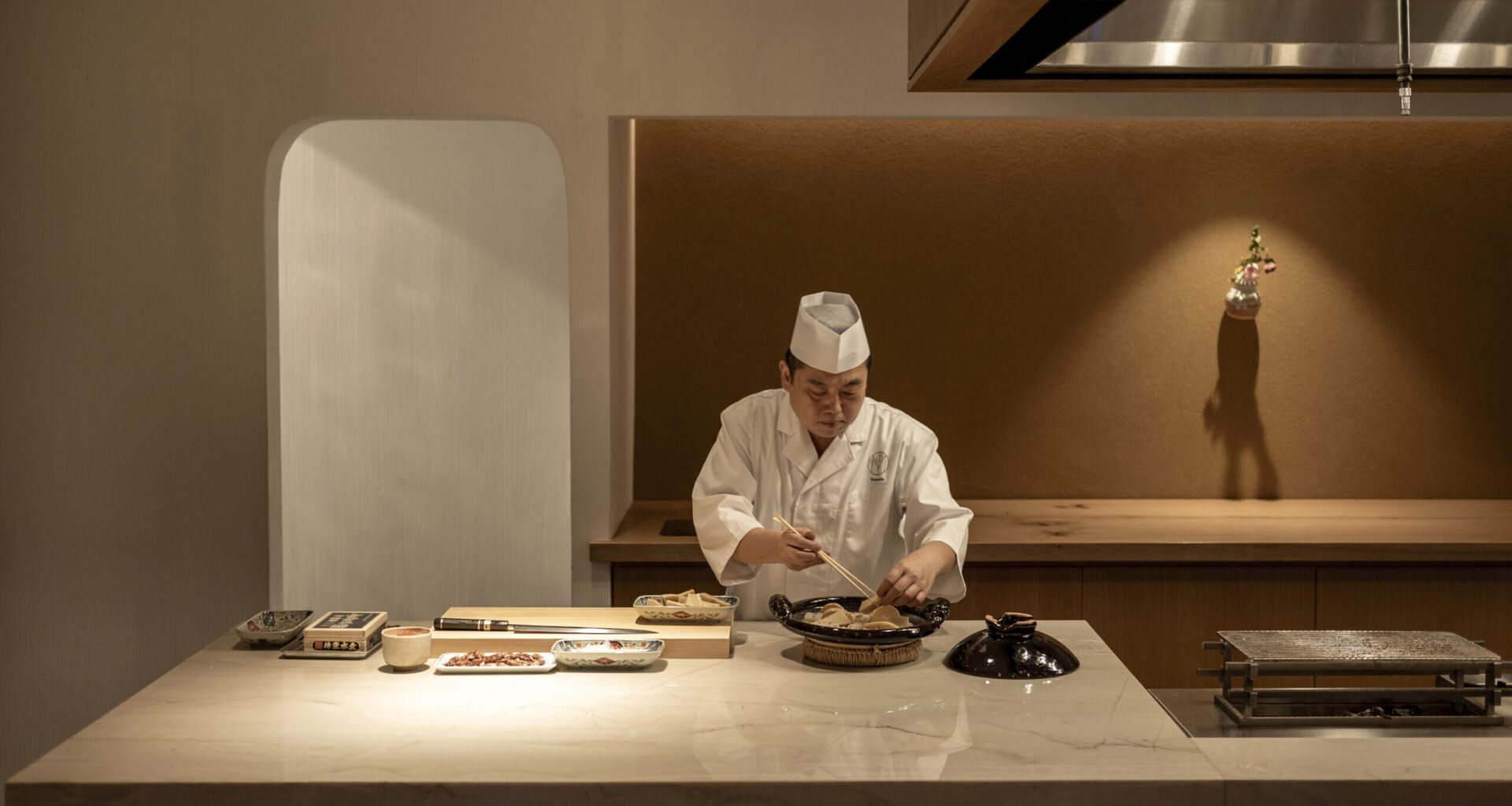
Located on Elizabeth St. in NYC, is Yamada, a delicate 10 course kaiseki tasting menu shaped by a multi-sensory dining experience from none other than Chef Isao Yamada. In Yamada’s kitchen, “Respect for the ingredient is non-negotiable,” he says. In one signature dish, Kinki (a large red fish called Hokkaido Thornhead), Yamada returns to the basics, using a precise filleting technique on the fish. “The fillet is then lightly salted and marinated for 1 hour in sake, mirin, yuzu juice, honey, and soy sauce. After marination, the fish is gently slid onto skewers and grilled over binchotan charcoal for about 8 minutes,” Yamada explained. The smoky aroma from the fish delicately swirls around crispy tempura-fried satoimo (Taro Root), ginger ankake sauce, myoga, fresh yuzu zest, and crispy sunchoke chips. The entire experience is shaped by the guiding principles of seasonality (shun), cites Yamada, followed by harmony (chōwa), and mindfulness (ikigai), all working together in unison.
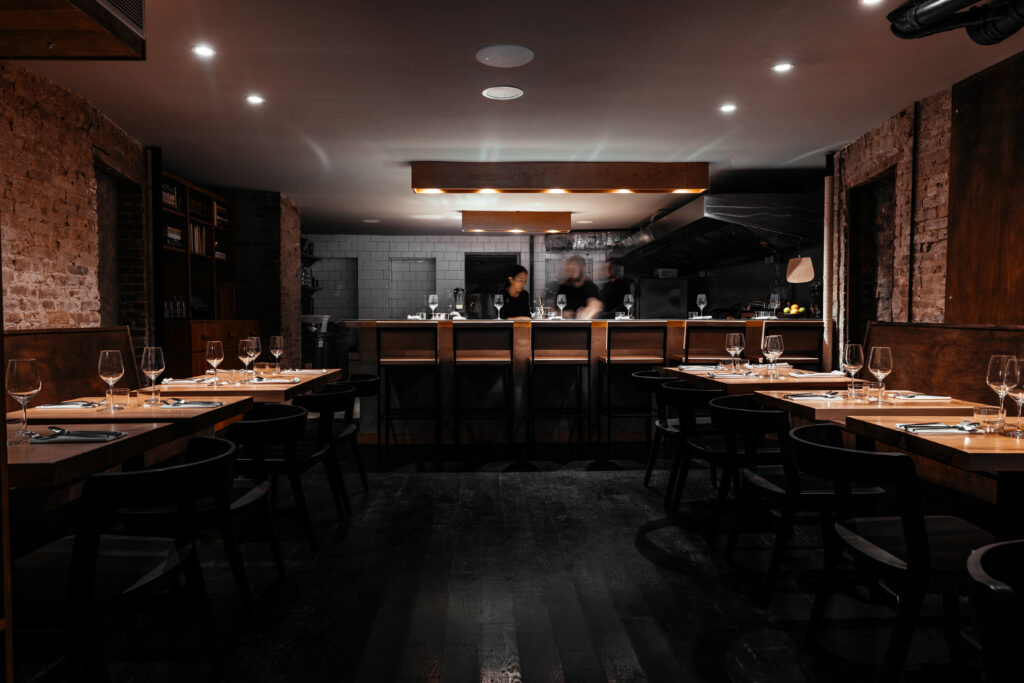 Photo credit: Jovani Demetrie
“The circle of sharing”, is the ever-so fitting translation for Chef Fidel Caballero’s restaurant, Corima. It is described as a modest spot where Chef Caballero offers a glimpse into his life, honoring the culture and rich culinary history of his blended roots from Ciudad Juárez, MX. and El Paso, TX. Corima quickly joined the upper ranks of New York dining, securing a Michelin star within its first year and earning recognition from Bon Appetit as one of 2024’s Best New Restaurants. A James Beard Award nomination followed, along with a No. 36 placement on North America’s 50 Best Restaurants list. At Corima, the tiniest details are considered, like the painstaking pursuit of the perfect sourdough flour tortillas. “We spent years perfecting them, and it continues to be a work in progress. I have gone through over a hundred different iterations of the tortilla, working with different fats, duck fat, schmaltz, lard, butter, hydrations, etc., to try to perfect it,” Chef Fidel Caballero explains.
In the heart of Tribeca is Atera, a two Michelin star spot where counter dining is anything but last-minute seating. A contemporary cuisine packed with refreshing meats and seafood is seemingly effortlessly complimented by hints of fresh vegetables and fruits. At Atera, the finer details match, like the flowers arranged at just the right angle to catch the perfect light. Chef Emborg works within a self-imposed rule of three ingredients per dish, a constraint that forces clarity on the taste buds. When diners met his milk chocolate dessert with hesitation rather than delight, he paid close attention. That reaction sent him back to the drawing board.
The result was a caviar dish built by contrasts. “I wanted it to be fresh and creamy, not just potato and caviar,” said Emborg. Kaluga caviar is layered over pistachio and beer gelato, the salt and cream balanced by a subtle bitterness from the fermented notes. It is unexpected, but precise. Even guests who might normally wave off dessert tend to pause when this one lands on the table.
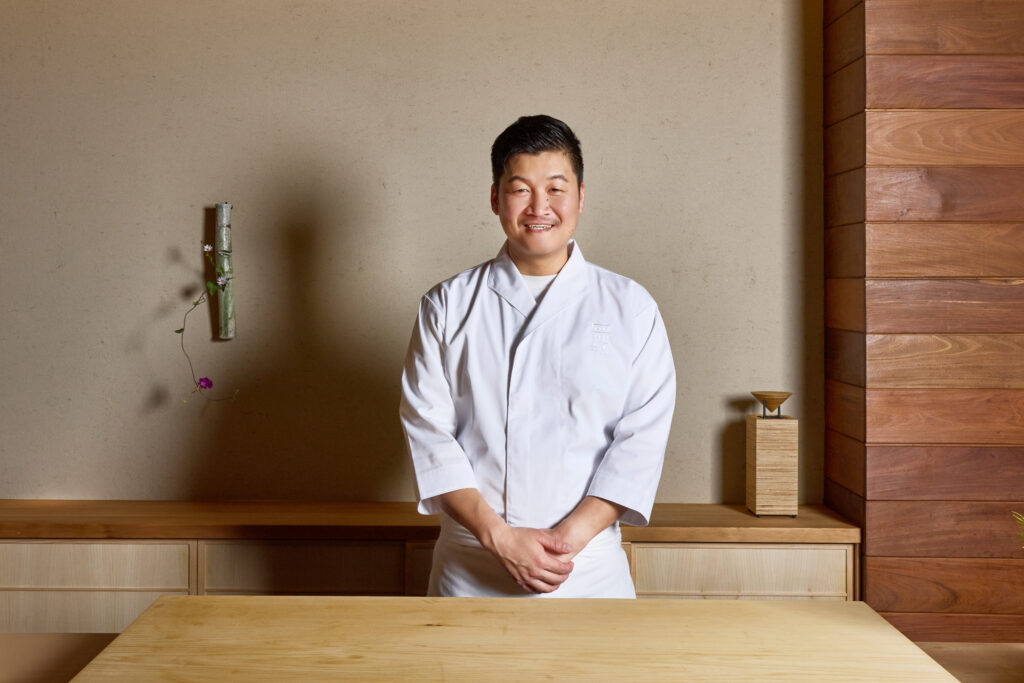 Chef Manabu Asanuma | Photo credit: Nobuyuki Narita
At Muku, the 10 to 12 course tasting menu is deeply satisfying and layered, yet precise enough to leave your palate refreshed rather than fatigued. True to the Japanese meaning of its name, “purity” or “innocence,” Muku delivers a dining experience defined by restraint, clarity, and quiet confidence. In a kitchen that revolves around seasonal ingredients, elements are constantly changing and evolving. Head Chef Asanuma believes that the most defining feature in their sprint to a star was the umami of mushroom-based dashi. “Our approach to making seasonal broths, each infused with ingredients at their peak, was something I feel Michelin appreciated,” said Chef Asanuma. Manabu wishes a farewell to diners by leaving them with a little taste of home, ending the night with Yamagata soba made from buckwheat flour grown on family land by his parents.
And at Aquavit, Nordic traditions settle into shrimp skagen pancakes topped with generous cheese, hollandaise, and a pinch of dill. Chef Bengtsson finds strength in minimalistic purity, transforming something simple into something elegant. “A lot of these techniques that are very, very old school are still very potent in our career, like all the smoking and the curing, pickling, fermentation, all of those things that were very rustic and life-saving back in the days have now been the backbone and the start for us to put up a more elegant Scandinavian cuisine,” said Bengtsson.
Dedication Beyond the Plate
Flowers are tilted toward the light, counters sanded just so, and bowls are chosen for the season’s color. “Maybe it is surprising that I don’t aim for perfection. In kaiseki, perfection can actually take the soul away from a dish. What I aim for is balance or harmony,” said Chef Yamada. This reminds him of a moment from Kitcho. One autumn day, he swept every leaf from the outdoor patio, thinking that clean meant spotless. The head chef scolded him. The leaves, he said, were part of the beauty of the season, a final, graceful gesture before winter. By removing them, he had erased that feeling. When a guest comes to dine, remembering the bright yellow on the patio is an integral part of that memory; all of the natural elements of the season play into the experience and food itself. From that day, Yamada understood wabi-sabi, the idea of finding beauty in imperfection. “When everything is too perfect, it becomes stiff,” said Chef Yamada
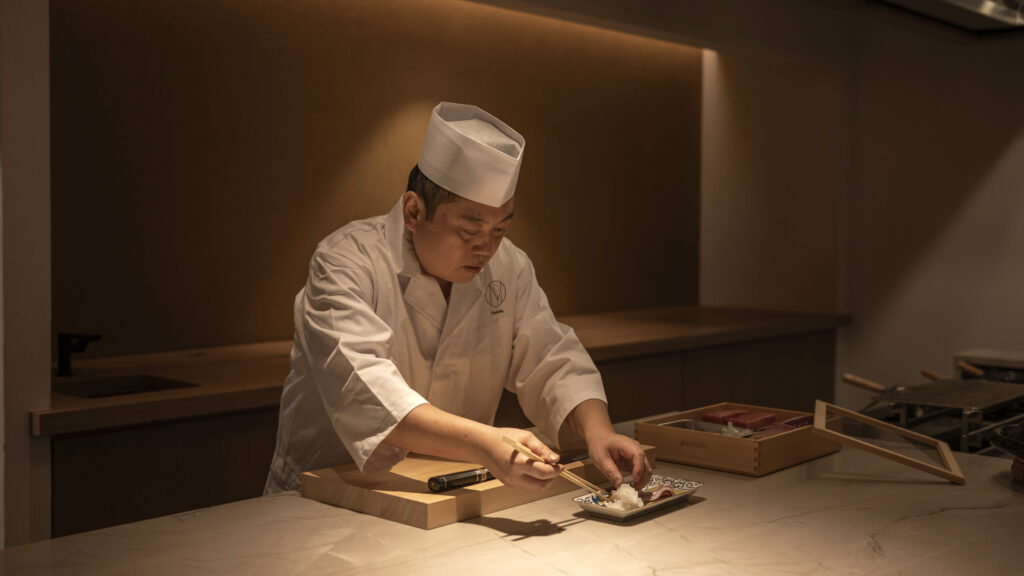 Chef Isao Yamada | Photo credit Evan Sung
At Corima, Fidel Caballero and his team endured 16 months without gas in a kitchen designed around its use. “This made simple tasks much more time-consuming and arduous, and our team had to work extremely hard just to execute our vision,” said Caballero. So instead of panic, the team chose to pivot, condensing recipes and adjusting formulations, honoring the true sentiment of what Michelin embodies. That pivot paid off. “For example, a demi-glace would take us almost a week to make and would take up most of our plancha space, preventing us from making anything else. Now that process is condensed to a much smaller footprint and takes about two days,” said Caballero. And after the gas was turned on? “Our team maintained the same intense work ethic and was able to utilize additional time and energy to focus on R&D, fermentation, and consistency,” Caballero added.
Chefs push boundaries with precision, daring to take risks while remaining anchored to the philosophy that defines their craft.
Dishes are born, tested, and sometimes reluctantly retired, each one a step along an uncharted path, fighting for a sensation, flavor, or display that will elevate it still further. Yamada reflects that “Sometimes growth doesn’t mean changing direction, but going deeper into what you truly believe,” letting each decision flow from conviction rather than impulse.
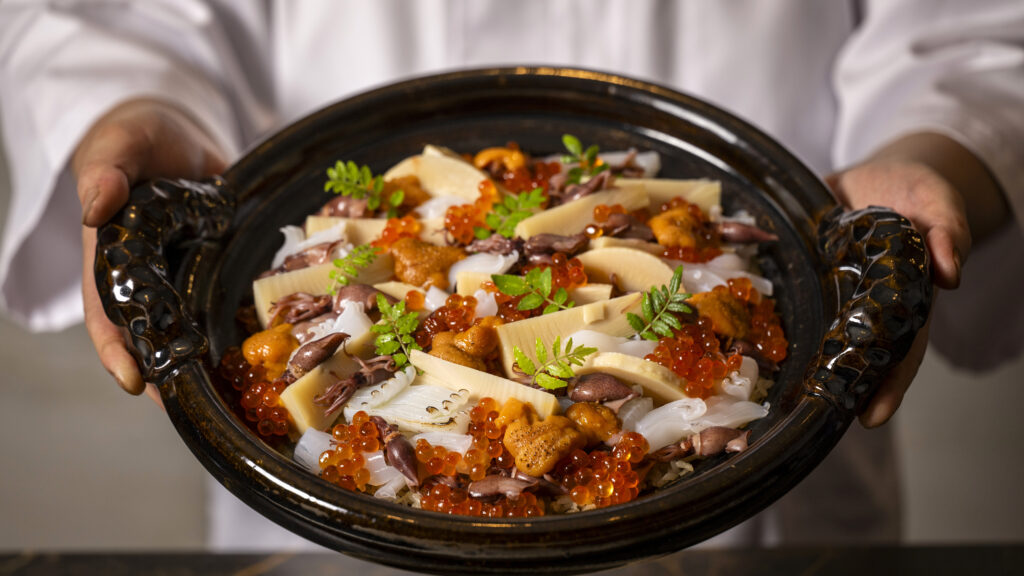 Photo credit: Evan Sung
Kitchens That Carry Tradition Forward
Consistency and discipline are what ultimately earn the star—honoring both the ingredients and the guests, night after night.
For Chef Yamada of Yamada, respect for his ingredients is the foundation of everything he does. “For me, the guiding principle is always respect. I respect the ingredient, the people who raised or caught it, the season it comes from, and the guest who will receive it,” he says. This respect is active and intentional. “When I look at an ingredient, I always ask, ‘what is the most honest way to show your beauty today?’” Rather than imposing his ideas onto nature, he allows the ingredients to guide him, letting their character shape each dish.
From that respect grows restraint, a willingness to subtract, simplify, and let each flavor speak for itself.
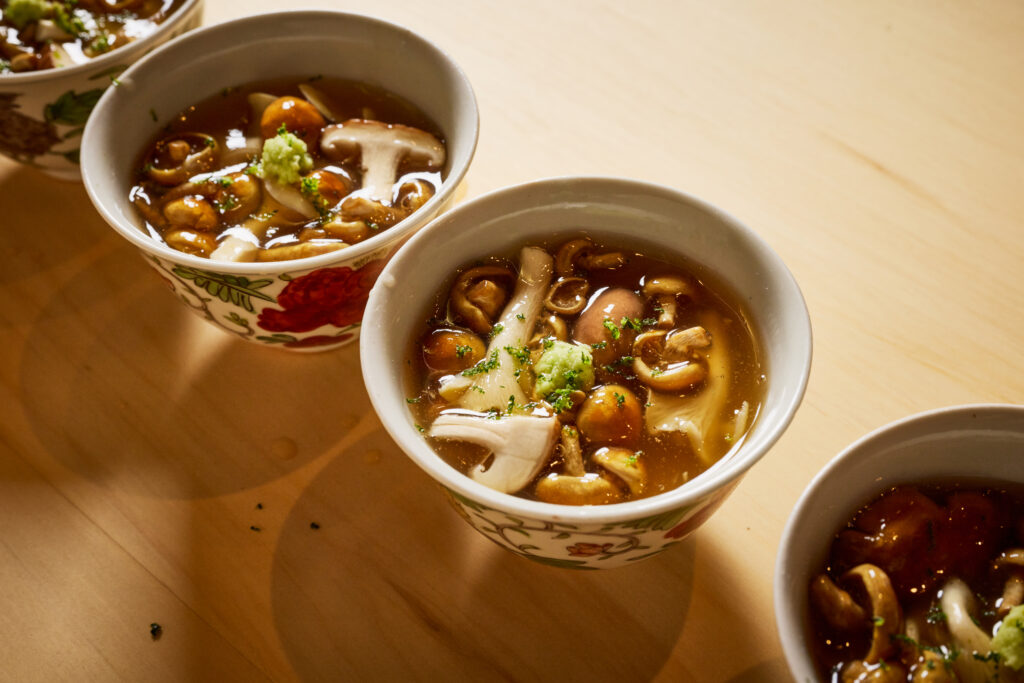 Photo credit: Nobuyuki Narita
Chef Manabu Asanuma of Muku knows this courage well. “The hardest part is removing elements I personally love. Subtraction requires more courage than addition,” he admits, because even something cherished can disrupt the delicate harmony of a dish. For Yamada, the pursuit is not perfection as much as it is balance, an acknowledgment that overdoing can steal the soul of the plate.
In Michelin kitchens, excellence is measured by consistency. This mastery becomes habitual through constant repetition. If you ask any Michelin chef, many will tell you the same thing; it is often much more difficult to keep a star than it is to earn one in the first place. Chef Ronny Emborg of Atera puts it simply: “We always try to be better the day after.” With each new service, is a chance to push the work just a little further, to notice the small details that guests may never see but that define the experience. Emma Bengtsson of Aquavit echoes the same relentless standard, “Anything that goes out, no matter if it’s a calm Tuesday or a stressful Saturday, every single dish has to be perfect, consistent and at the same level,” said Bengtsson.
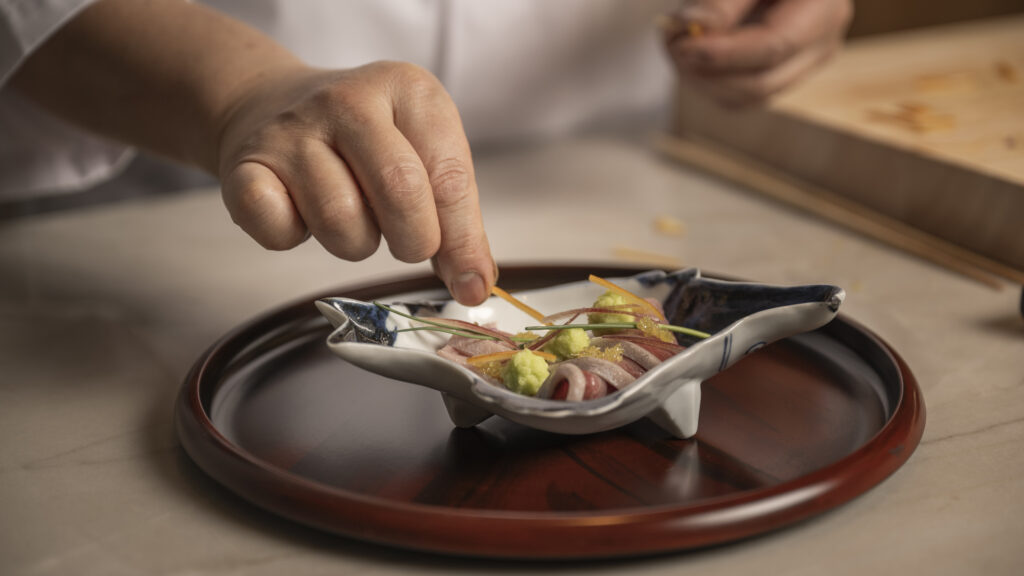 Photo credit: Evan Sung
Pressure Beyond the Pass
Once the star is earned, what once felt like a goal suddenly becomes an obligation.
At Atera, Chef Emborg acknowledges the toll with unflinching clarity. “The hardest part is that it’s seven days a week, every day, you need to be on point and have your staff on point. For ten and a half years now, my focus has been 100% on the restaurant, and everything else, like parties or family, has been secondary,” said Emborg. The pressure is not only physical, but emotional. For Chef Yamada, the greater challenge lies beyond technique. “The hardest part is maintaining spirit, not technique. Technique you can train but keeping your heart soft and your awareness sharp every night is much more difficult.” That emotional steadiness becomes leadership under stress.
As for Aquavit, Emma Bengtsson describes how control must be modeled before it can be enforced. “If a chef starts freaking out, the team will do the same. My job is to calm down and focus,” said Bengtsson.
Heritage, Sacrifice, and the Meaning of the Star
For these premier chefs, a Michelin star is much more than a plaque on the wall, a review online, or a symbol of elite status. It is the essence of years spent bending and even breaking at times, all in the name of excellence, where family dinners are gut-wrenching apologies and birthdays pass unnoticed. “In Japan I learned discipline. From Taiwan, sensitivity to ingredients. In New York, freedom,” said Chef Asanuma.
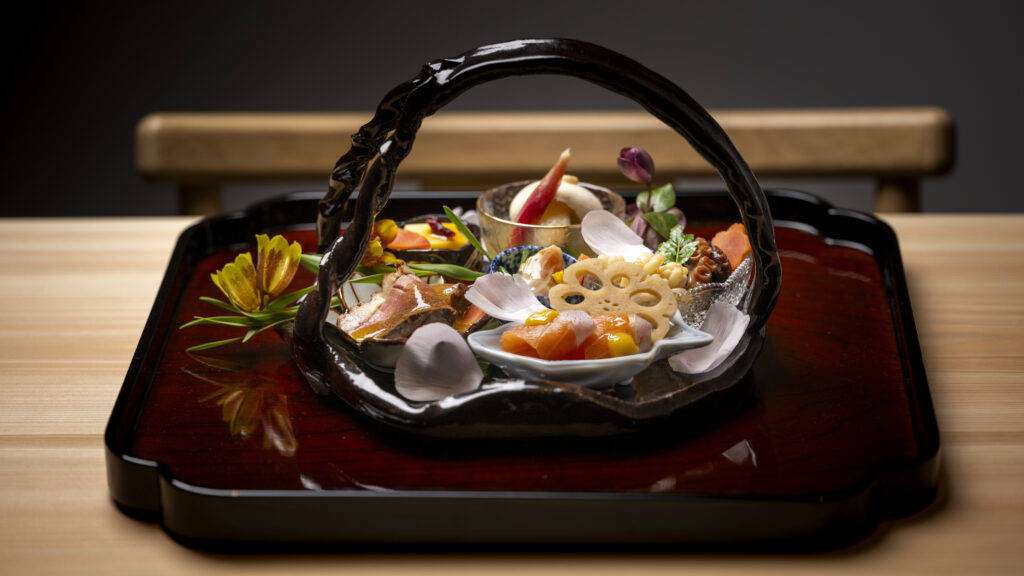 Photo credit: Evan Sung
For Emborg and Bengtsson, like many chefs, they carry their kitchens with them, long hours and emotional labor to bring a sense of their home to your table. Fidel’s vision was never about accolades, yet when Michelin turned its gaze toward Corima, it affirmed decades of devotion, honored culture, protected family, and cherished the soul of every guest shaped by the team’s tireless labor. Yamada fuses the streets of New York with the mountains of Japan, each plate becoming a bridge between heritage and lived experience. “When people feel ownership in the craft, pride grows inside them. And when pride grows, inspiration comes naturally,” said Chef Yamada. The star hangs as proof that sacrifice and care are celebrated, that the invisible labor, the endless sharpening, stirring, and tasting matters. Chef Cabellero puts it simply, “For me, the priority was to represent my food and culture to NYC diners.”
The aroma of caramelizing butter, the sweep of a knife through fish, the glaze of a perfectly tempered sauce, the moment a flavor finally balances, every detail holds intention, history, and devotion. Discipline is taught to become an instinct, but heritage and craft are what spark curiosity. This ability to pivot in an instant, to sacrifice months of work on a singular dish, is what truly sets these Michelin kitchens apart. In New York, where streets overflow with culture and diverse perspectives, these kitchens become stages where the native tongue is flavor, texture, and timing. Every plate is a bridge between tradition and the present. A Michelin star is a recognition of all of that invisible labor and relentless care. It is proof that devotion to ingredients matters just as much as devotion to heritage. These chefs demonstrate how restraint and imagination can coexist.