
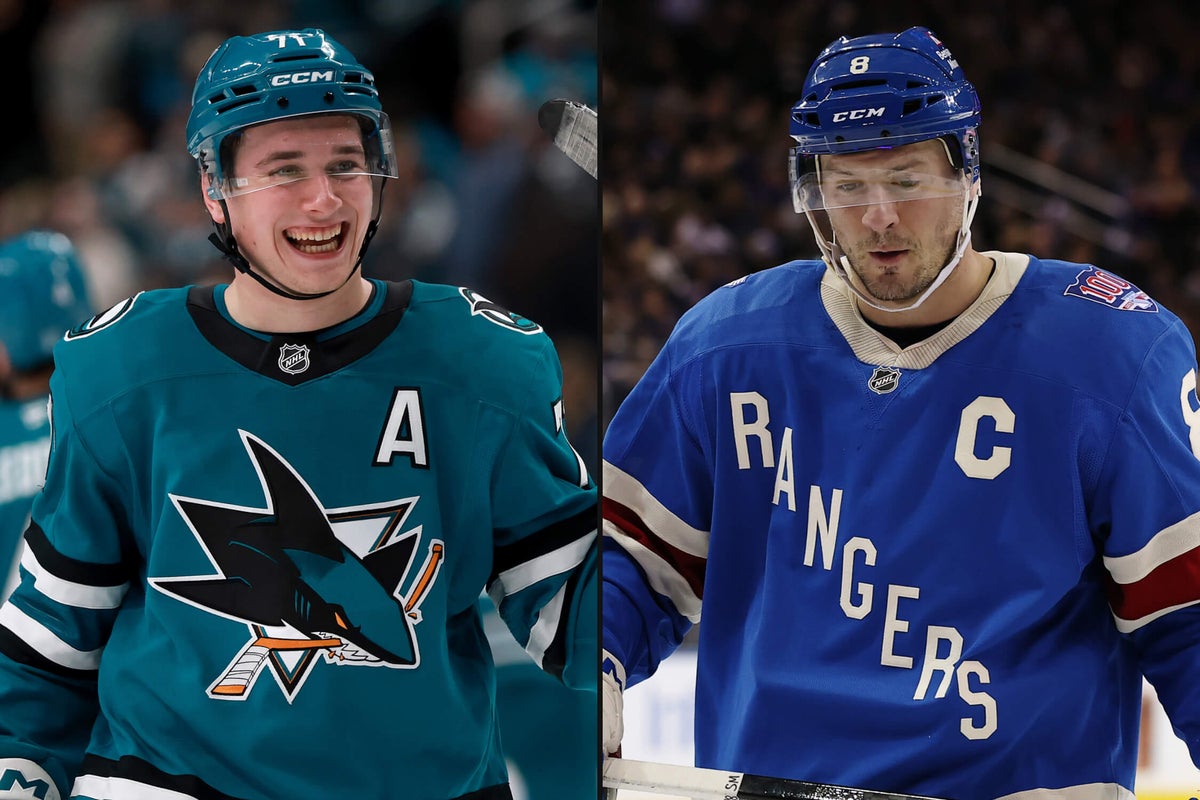
The NHL regular season is almost in the books, and every team from the top to the bottom of the standings had individual performances worth highlighting. But on the other side of the spectrum, some players have failed to impress.
Before we turn the page to the playoffs for some teams and the offseason for others at the end of next week, The Athletic asked its NHL staff for the player who provided the very best on a nightly basis (our 2025-26 MVPs) and the player who emerged as most disappointing on each team this season.
Here’s who our writers picked.
Anaheim Ducks
MVP: Jackson LaCombe
This balanced club has a few worthy choices. We’ll settle on its most consistent defenseman, who has been in the lineup every night and given the Ducks one of their most productive offensive seasons by a blueliner in franchise history. It has been another level-up year for the 25-year-old LaCombe.
Most disappointing: Mason McTavish
McTavish, 23, went in another direction after hitting career highs in 2024-25 across the board offensively. He has been moved off center and down to the fourth line at times. The low point came with consecutive healthy scratches in March. His game has regressed under Joel Quenneville’s frenetic pace. — Eric Stephens
Boston Bruins
MVP: Jeremy Swayman
Swayman is on pace to finish atop the league in goals saved above expected. He is back to his usual form after a down season in 2024-25. Swayman should be in the running for the Vezina Trophy.
Most disappointing: Mikey Eyssimont
The Bruins signed Eyssimont to a two-year contract to be a fourth-line fixture, agitator and breakaway specialist. Eyssimont has struggled to be a lineup regular. He has been contending with Alex Steeves and Lukas Reichel for third-line duty. — Fluto Shinzawa
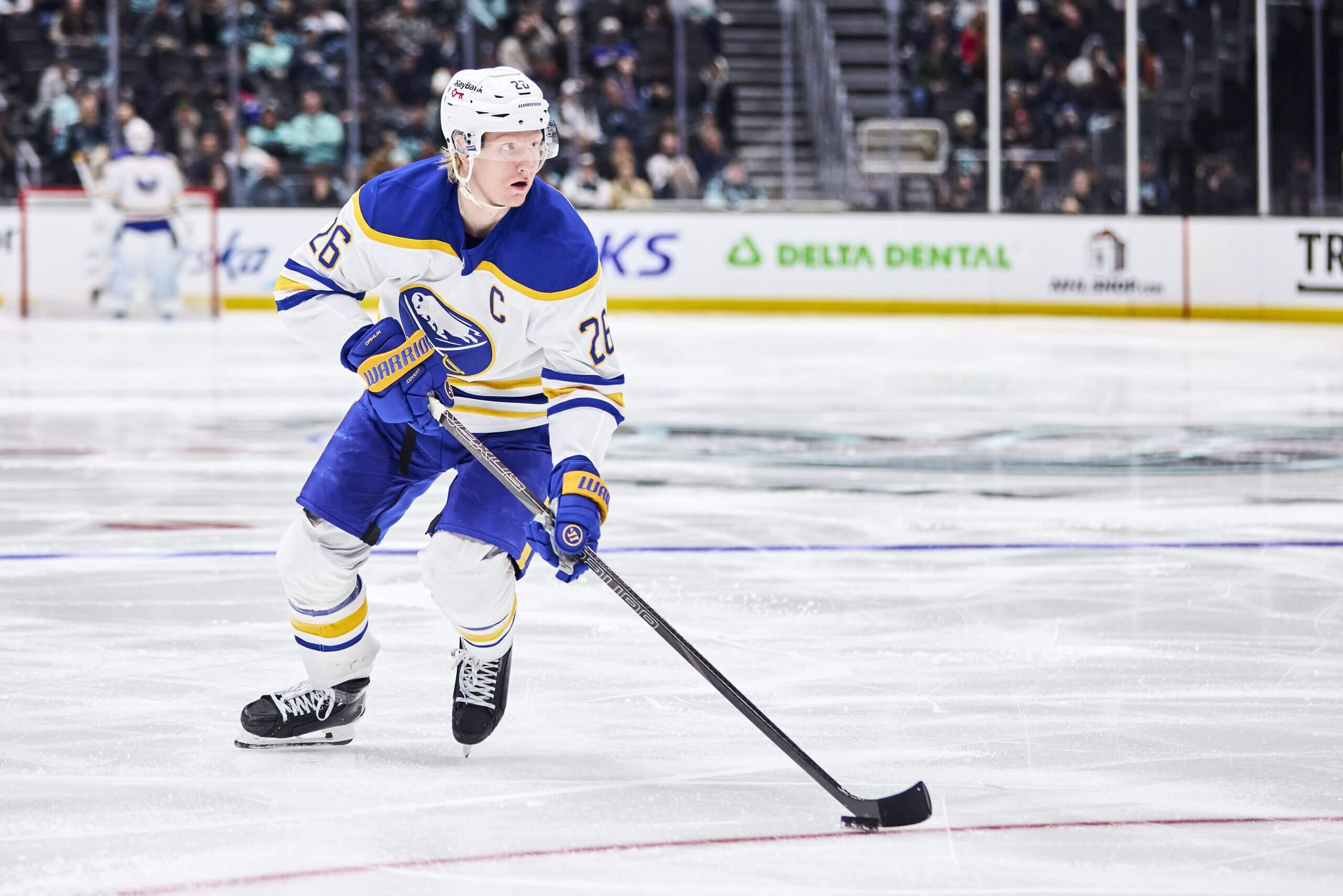
Rasmus Dahlin has put together another season that should get him Norris votes. (Blake Dahlin / Imagn Images)
Buffalo Sabres
MVP: Rasmus Dahlin
Despite everything he was going through off the ice, Dahlin has put together another season that should get him on Norris ballots. He’s just under a point per game and has been a major reason for Buffalo’s turnaround. His 53 percent on-ice expected goal share is tops among Sabres defensemen.
Most disappointing: Michael Kesselring
Kesselring was a big piece of the Sabres’ JJ Peterka trade in the offseason. He was having a great training camp, but then he dealt with knee and ankle injuries that have impacted him all season. The injuries aren’t his fault, but he and the Sabres had higher hopes for this season. — Matthew Fairburn
Calgary Flames
MVP: Mikael Backlund and Blake Coleman
Is there a way to split this honor? Because Backlund and Coleman have done a ton of work to help the Flames as they strip parts around them. Productive linemates at both ends of the ice, they found ways to be plus players on a struggling Flames team.
Most disappointing: Jonathan Huberdeau
It looked like Huberdeau could take a step forward after a 28-goal, 62-point campaign last season. It didn’t happen this year, thanks to the winger facing consistent hip issues. By late February, Huberdeau was shut down for the year ahead of hip resurfacing surgery. — Julian McKenzie
Carolina Hurricanes
MVP: Brandon Bussi
A waiver claim before the season, the 27-year-old won his NHL debut Oct. 14 and kept winning. While his play dipped following the Olympic break, Bussi righted the ship and has five straight wins and a gaudy 30-6-1 record. He’s been one of the NHL’s best stories this season.
Most disappointing: Jesperi Kotkaniemi
The writing was on the wall for Kotkaniemi when Logan Stankoven made the move to center to start training camp. Kotkaniemi has played fewer than half of Carolina’s 79 games, and he still has four years remaining on a contract that costs $4.82 million against the cap annually. — Cory Lavalette
Chicago Blackhawks
MVP: Connor Bedard
Bedard evolved this season into the player the Blackhawks hoped he would become when they drafted him. Before his shoulder injury, he was right there with the league’s best players. His offense elevated to another level this season, but he also showed signs of becoming a more well-rounded player.
Most disappointing: André Burakovsky
Burakovsky was given every opportunity to produce this season. From playing with Bedard to power-play usage to overall ice time, he was set up to succeed. Despite all that, he’s likely to finish with fewer points this season than he had with Seattle in a smaller role last season. — Scott Powers
Colorado Avalanche
MVP: Nathan MacKinnon
He may be the MVP of the entire NHL, so how could I choose anyone but MacKinnon? He easily eclipsed the 100-point mark for the fourth consecutive season and is arguably the most dominant player in hockey. I considered Scott Wedgewood as a contrarian pick, but MacKinnon is the answer.
Most disappointing: Jack Drury
Entering the season, there was hope that Drury would be more than he’s been for Colorado. He’s more than good enough to be a solid fourth-line center, which is the role he’s playing, but with only 10 goals and 17 assists on the season, he hasn’t developed into much of an offensive option. — Jesse Granger
Columbus Blue Jackets
MVP: Zach Werenski
Werenski may once again be a Norris Trophy finalist and draw some Hart Trophy ballots, too, but he’s a no-doubter as the Blue Jackets’ MVP. He leads the club in assists (58) and points (80) and is third in goals (22), all while being Columbus’ undisputed leader in the dressing room.
Most disappointing: Kent Johnson
Tough to pin this on a 23-year-old, but Johnson has fallen flat after having a breakout season in 2024-25. He’s playing four minutes less per night and doesn’t have a permanent spot in the Blue Jackets’ lineup. — Aaron Portzline
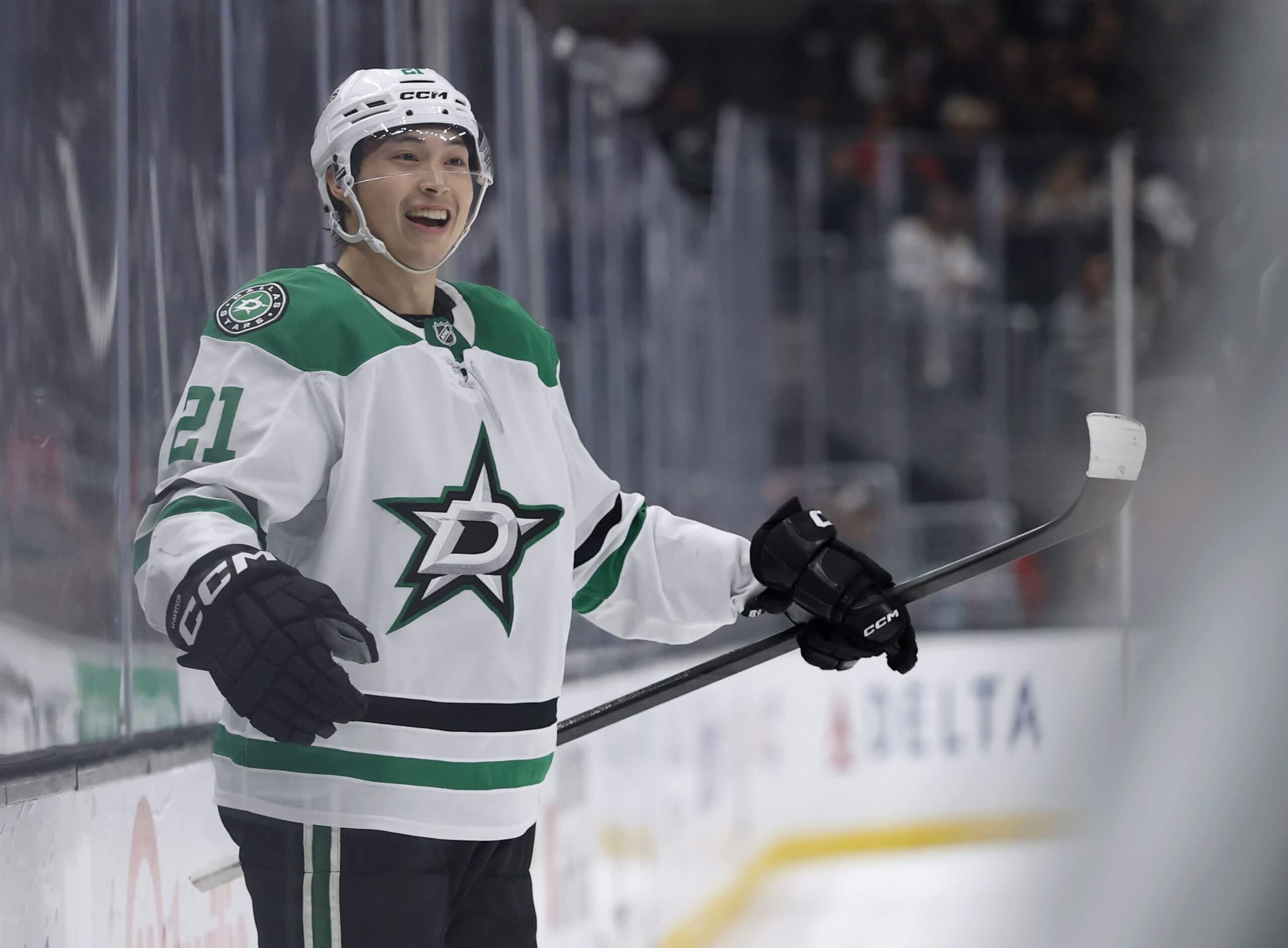
Jason Robertson will become a restricted free agent at the end of this season. (Harry How / Getty Images)
Dallas Stars
MVP: Jason Robertson
After two middling (by his standards) seasons, Robertson returned to elite form this season, topping the 40-goal and 90-point marks. He’s been dominant at both five-on-five and on the power play, and enters restricted free agency this summer as one of the league’s very best power forwards.
Most disappointing: Thomas Harley
This feels harsh; Harley’s hardly been bad this season. But instead of leaping into Norris contention, Harley took a step back at both ends of the ice. His scoring has slipped significantly, and after being a plus-29 at five-on-five last year, Harley is merely even this season. — Mark Lazerus
Detroit Red Wings
MVP: Moritz Seider
Seider has done it all for the Red Wings this season, setting a career high in points while also taking on one of the largest workloads in the league, and tilting the ice in Detroit’s favor through it all. He has elevated himself into one of the true best all-around defenders in the league.
Most disappointing: Mason Appleton
Appleton’s not one of the big-name players on the roster, so maybe this isn’t totally in the spirit of the question. But he hasn’t delivered the kind of bottom-six impact Detroit needed when it signed him, with an expected goals share of just 43 percent, and just 3 points since Jan. 1. — Max Bultman
Edmonton Oilers
MVP: Connor McDavid
McDavid played brilliant hockey in 2025-26, delivering the second-highest point total of his career while playing massive minutes against elite competition. When Leon Draisaitl was injured, McDavid stepped up and played a more complete, 200-foot game. He has outscored elites at 60 percent this season.
Most disappointing: Andrew Mangiapane
When the Oilers signed Mangiapane to a two-year deal for $3.6 million annually, it was with an eye to acquiring a player who could deliver solid offense while playing a strong defensive game. Mangiapane was unable to deliver either and was dealt at the deadline. — Allan Mitchell
Florida Panthers
MVP: Sam Reinhart
It wasn’t a banner year for many Panthers, as the two-time defending champs have cratered to the bottom of the standings. Reinhart has had to pick up a lot of the slack with Aleksander Barkov and Matthew Tkachuk out and has scored at a nearly 40-goal pace despite playing with a variety of linemates.
Most disappointing: Sergei Bobrovsky
A lot of Panthers could have qualified, but your $10 million starting goalie posting an .877 save percentage is a tough hurdle for any team to overcome. In Bobrovsky’s defense, he’s played a lot of hockey the last few years, and Florida wasn’t as airtight defensively as it has been in the past. — James Mirtle
Los Angeles Kings
MVP: Adrian Kempe
The sentimental pick would be franchise icon Anže Kopitar in his 20th and final season, but Kempe has been their best player and most important. Once again, their leading scorer, the Swede, hit the 30-goal mark for the fourth time in five seasons. He’s been carrying L.A. at a critical time.
Most disappointing: Quinton Byfield
Cody Ceci might be a call for some here, but did you really expect great things from the third-pair defenseman? You hoped Byfield would make the leap into stardom. But it’s been an inconsistent season for the toolsy 23-year-old. However, he’s saved his best for last with a late-season surge. — Eric Stephens
Minnesota Wild
MVP: Matt Boldy
The $7 million bargain became the fourth 40-goal scorer in Wild history. He has a career-high 85 points. A true difference-maker, he drives every line he’s on. As good a passer as he is a shooter, he makes linemates better and has become one of the league’s most complete players.
Most disappointing: Nico Sturm
Fair or not, the free-agent pickup injured his back on Day 1 of camp and missed the first 22 games. Sturm filled his role — killing penalties and winning faceoffs, but nevertheless, the Wild weren’t overjoyed and spent a second-round pick on Michael McCarron. Now Sturm’s an every-night extra. — Michael Russo
Montreal Canadiens
MVP: Nick Suzuki
Suzuki has not gone more than two games without a point all season, and has only had two instances of even that. He’s a model of consistency and drives the Canadiens’ bus, centering one of the NHL’s most productive lines and verging on the first 100-point season for a Canadiens player in 40 years.
Most disappointing: Sam Montembeault
Montembeault was the presumptive No. 1 goaltender for the Canadiens, but never managed to find his footing and forced the team to turn to two rookies in goal, Jakub Dobeš and Jacob Fowler. Of the 61 NHL goalies to make at least 20 starts this season, Montembeault’s .872 save percentage ranks 58th. — Arpon Basu
Nashville Predators
MVP: Filip Forsberg
Forsberg, chasing another 40-goal season, went on a heater down the stretch, and without that, the Preds would not have stayed in contention for a playoff spot. This is a tough call, though — Steven Stamkos is right there with Forsberg as a goal scorer. And Ryan O’Reilly has had a tremendous season.
Most disappointing: Juuse Saros
A second straight season with a sub-.900 save percentage was not what the Preds needed from Saros in the first year of his eight-year, $61.92 million deal. He ranks in the 80s among NHL netminders in goals saved above expected, at worse than minus-9. He can excel on a given night, but that’s not enough. — Joe Rexrode
New Jersey Devils
MVP: Jack Hughes
There’s a reason the Devils’ season went off the rails when Hughes hurt his hand. When healthy, he’s one of the more dynamic players in the NHL. When he’s hurt, the Devils miss him desperately. The Olympic hero has a team-leading 73 points in 58 games and is tied for first on the club with 26 goals.
Most disappointing: Ondřej Palát
Palát is a true pro and was, by all accounts, valuable in the Devils dressing room, but his production continued to dip this season, and Tom Fitzgerald eventually had to trade draft capital to the Islanders just to get off his contract. Palát had 10 points in 51 games for the Devils pre-trade. — Peter Baugh
New York Islanders
MVP: Ilya Sorokin
This is an incredibly close race between Sorokin and Matthew Schaefer, who has been phenomenal on both ends of the ice for the Islanders. But Sorokin has been a legitimate game-breaker, giving his team a chance to win with 40 quality starts in 53 appearances, and 53.97 goals saved above expected along the way.
Most disappointing: Ondřej Palát
While other in-season adds have had their shortcomings — Brayden Schenn’s two-way game lacks, while Carson Soucy is a defensive liability — Palát may be the most disappointing of all. The trade gave him a clean slate away from New Jersey to get back to his utility strengths; his defense isn’t strong enough to make up for how much he suppresses offense. — Shayna Goldman
New York Rangers
MVP: Mika Zibanejad
Coming off a 2024-25 season in which Zibanejad registered his lowest points-per-game average in seven years and openly struggled with the mental side of the game, he’s bounced back in a significant way. The 32-year-old center leads the team with 76 points and has been its only consistent threat.
Most disappointing: J.T. Miller
The Rangers traded for Miller last year and named him captain, with GM Chris Drury gambling that the volatile forward could be the driving force behind a new, tougher team identity. The results, both collectively and individually, have been undeniably disappointing. — Vincent Z. Mercogliano
Ottawa Senators
MVP: Tim Stützle
The German did more than his fair share of responsibilities at both ends of the ice, scoring highlight-reel goals, working hard in the defensive zone, playing on the penalty kill and improving his faceoff rate. He’s responded to the challenge of being better and it could put Ottawa in the playoffs.
Most disappointing: Leevi Meriläinen
The Senators thought he’d be good enough to back up Linus Ullmark (who has also fallen short of expectations on the ice while navigating the ups and downs of his mental health) this year. But Meriläinen’s -17.3 goals saves above expected ranks second-worst among NHL netminders (min. 20 games), and the Senators figured sending him back to the AHL to get his confidence back was the right move. — Julian McKenzie
Philadelphia Flyers
MVP: Dan Vladar
When the Flyers signed Vladar to a two-year, $6.7 million deal on July 1, it was still assumed that Samuel Ersson would end up as the No. 1. Instead, it’s been Vladar since Day 1. For a team that had the NHL’s worst goaltending last season, Vladar is the main reason they’re back in the playoff race.
Most disappointing: Garnet Hathaway
After two seasons as an effective depth winger who brought a physical element and could provide secondary offense from time to time, Hathaway has lately had trouble staying in the active lineup. In 63 games, he has just one goal and two assists. — Kevin Kurz
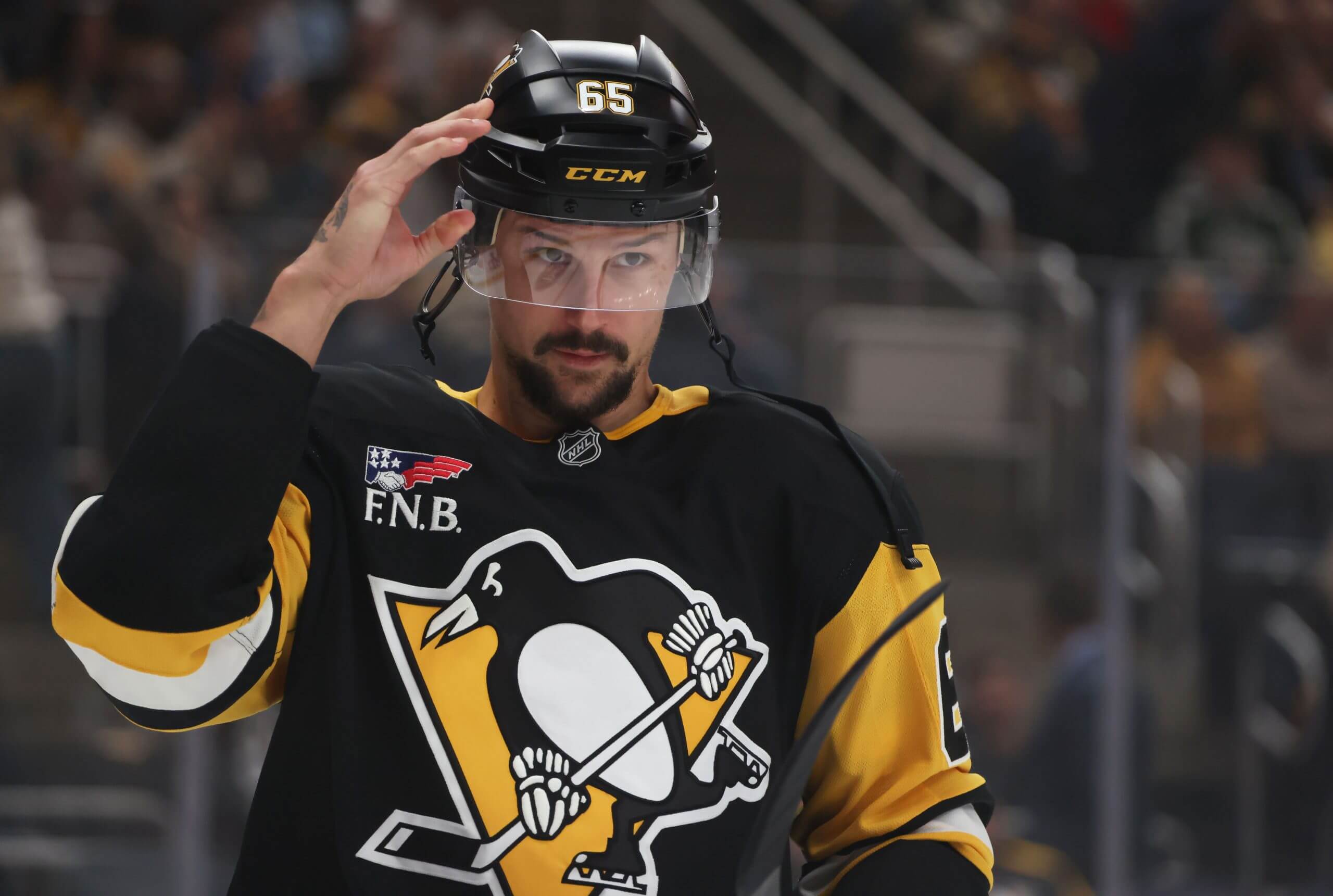
Erik Karlsson’s success is a big reason why the Penguins returned to the playoffs this season. (Charles LeClaire / Imagn Images)
Pittsburgh Penguins
MVP: Erik Karlsson
Karlsson has 66 points from the blue line, and that doesn’t tell the whole story. Karlsson, following two underwhelming seasons in Pittsburgh, has been brilliant in all phases for a Penguins team that clinched a playoff berth. Every facet of his game is in top form.
Most disappointing: Ville Koivunen
Koivunen started the season on Sidney Crosby’s line and spent much of the following time in the AHL. A forward who simply gets knocked off the puck too easily, Koivunen never found his game this season. He has two goals in 36 games. — Josh Yohe
San Jose Sharks
MVP: Macklin Celebrini
Where would the Sharks be without Celebrini? Last in the NHL again? Maybe. He’s authored one of the greatest seasons by a teenager in NHL history. He’s deserving of a Hart Trophy finalist nod and maybe the hardware if he drags San Jose into the playoffs. Does any more need to be said?
Most disappointing: William Eklund
We’re not saying that Eklund has had the worst season on the Sharks. Not by any means. But others didn’t carry expectations that this talented 23-year-old winger has. Eklund didn’t build on his promising 2024-25 season. San Jose bet on him being a core player. Lately, he’s shown more of that. — Eric Stephens
Seattle Kraken
MVP: Matty Beniers
This is a default selection. Seattle’s MVP this season was its goaltenders, but Joey Daccord only started 46 games and had a lower save percentage than his backups, so it didn’t feel right. Beniers’ two-way results were impressive, but he hasn’t fulfilled the promise he showed as a rookie.
Most disappointing: Shane Wright
Wright didn’t build on his solid 44-point sophomore campaign. He will finish shy of 30 points and surrounded by reports of dissatisfaction about his role. The Kraken’s inability to find or develop a star-level player is the story of the franchise after its first half-decade. — Thomas Drance
St. Louis Blues
MVP: Philip Broberg
One could make a case for Robert Thomas, Dylan Holloway or Jimmy Snuggerud. But each had inconsistent stretches and missed time with injury. Broberg has been a steady force all season, leading the team in ice time per game (23:27) and becoming a shutdown defenseman who added power play to his resume.
Most disappointing: Jordan Kyrou
It’s a toss-up between Kyrou and Pavel Buchnevich, but let’s go with Kyrou because of his prolific past. A 30-goal scorer the last three seasons, he has 17 this season, and he was a healthy scratch. Buchnevich was woefully unproductive and could’ve been scratched, too. Neither pick is wrong. — Jeremy Rutherford
Tampa Bay Lightning
MVP: Nikita Kucherov
Who else, but Kucherov? He isn’t just the most valuable player in Tampa Bay, but a front-runner for the Hart with his game-changing play. Between his anticipation, playmaking and dangerous shot, he’s a true offensive force. His plus-31 net rating is second in the league, only to Nathan MacKinnon.
Most disappointing: Nick Paul
Paul’s production has dipped to 1.39 points per 60, his lowest pace since joining the Lightning. What makes matters worse is how the team’s scoring chance generation and scoring have dropped in his minutes; it adds up to a minus-4.6 offensive rating that is second-worst on the team. — Shayna Goldman
Toronto Maple Leafs
MVP: William Nylander
Is there even an answer for this? Do the Leafs have an MVP in a season like this? If we have to pick someone, it’s probably Nylander. He leads the team in scoring despite missing 17 games with injury. He is producing at a 100-point pace, the best per-game pace of his career.
Most disappointing: Anthony Stolarz
The Leafs signed Stolarz to a four-year extension in training camp in the hopes that he would take another step this season. It hasn’t happened. Stolarz was gone for months with a mysterious injury before getting injured again at the end of the season and owns a sub-.900 save percentage after leading the NHL in that department last season. — Jonas Siegel
Utah Mammoth
MVP: Clayton Keller
Keller is the team’s highest scorer with 83 points, which is 11 more than Utah’s next highest producing player. Keller’s line had a dominant stretch in the middle of the season when Logan Cooley was hurt, which propelled the team into a playoff position.
Most disappointing: Brandon Tanev
The Mammoth were expecting a stronger bottom-six impact from Tanev when they signed him to a two-year, $2.5 million AAV contract. Tanev has scored zero goals and just three assists in 52 games. Utah has been badly outshot, outchanced and outscored with Tanev on the ice at five-on-five. — Harman Dayal
Vancouver Canucks
MVP: Filip Hronek
For a long stretch this season, Hronek was Teflon. Even as the Canucks were widely outscored at five-on-five, Vancouver somehow remained competitive in Hronek’s minutes. At the tail end of a disappointing campaign, even that has flipped. Nonetheless, Hronek has been Vancouver’s MVP by a mile.
Most disappointing: Evander Kane
Brought in as Vancouver’s signature offseason addition, Kane struggled this season. The 34-year-old wasn’t physically assertive, was extremely inefficient as a five-on-five point producer and was often error-prone. Then the club was unable to move him as a rental before the deadline. — Thomas Drance
Vegas Golden Knights
MVP: Jack Eichel
This was far from Eichel’s best season, but he’s still, without a doubt, the most valuable player. Eichel leads the team in points and all Vegas forwards in ice time by a considerable margin. Eichel plays the toughest matchups at even strength and is a focal point for Vegas on both special teams.
Most disappointing: Tomáš Hertl
Hertl hasn’t been the two-way force the Golden Knights hoped for when acquiring him from San Jose. The power forward has been a force in front of the net on the power play, but hasn’t driven offense at five-on-five, and has a team-worst minus-16 on-ice rating to show for it. — Jesse Granger
Washington Capitals
MVP: Logan Thompson
Stick tap to Jakob Chychrun, who has grown into an elite offensive defenseman, but it’s Thompson. He has finished strong, too, with a .912 save percentage and league-leading 58.3 goals saved above expected. That’s Vezina finalist stuff. Without him, Washington’s playoff hopes would’ve been dead long ago.
Most disappointing: Pierre-Luc Dubois
It’s not Dubois’ fault that abdominal surgery nuked his season and cost him three months, but his emergence as a legit 1C and two-way demon fueled Washington in 2024-25. Minus that element, the Capitals were stuck in neutral too long to recover. — Sean Gentille
Winnipeg Jets
MVP: Josh Morrissey
Morrissey is so valuable to the Jets’ defense that they rearranged their forwards around him. Morrissey’s extreme five-on-five usage with Kyle Connor and Mark Scheifele has led to a 45-30 Jets lead, while Connor and Scheifele are down 34-25 when Morrissey is on the bench. The Jets have needed Morrissey most.
Most disappointing: Gustav Nyquist
No one expected Nyquist to step in and replace Nikolaj Ehlers’ lost offense. No reasonable person expected Nyquist to recreate the 75 points he scored three seasons ago. I think it’s fair to say that everyone expected the $3.25 AAV million veteran to score more than one goal in 51 games. — Murat Ates