
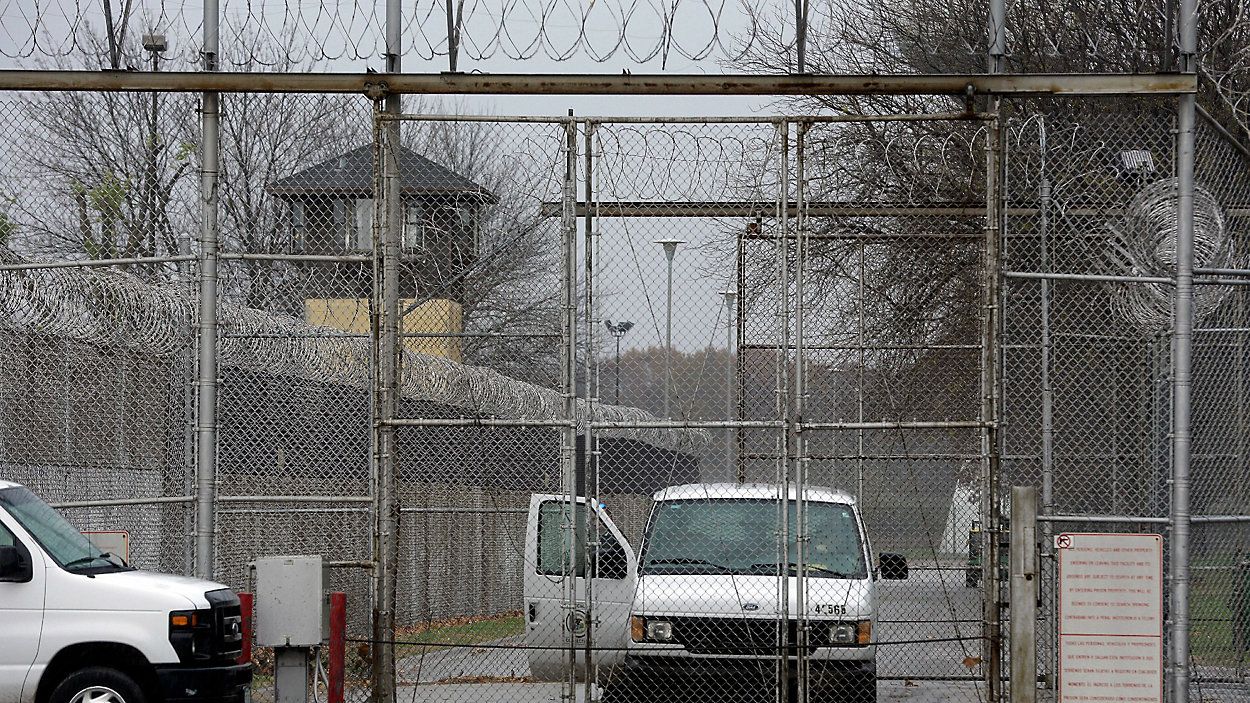
New York state workforce overtime costs increased by nearly 22.7% – $1.6 billion – in 2025, driven largely by a shrinking number of employees at the state Department of Corrections and Community Supervision and its prison guard strike, according to a report released Thursday by state Comptroller Tom DiNapoli.
The total number of overtime hours increased by 5.9%, or 1.4 million hours, which came in higher than than 2024, despite the number of employees growing by 4,139, or by 2.7%, from the prior year and expanding for a third consecutive year to an average annual total of 155,448, excluding the state and city universities of New York, the report states.
DOCCS accounted for 87% of the total increase in earnings, the most of any agency, growing by 1.3 million hours at a cost of $264 million in 2025, according to the comptroller. He added that DOCCS has lost 30% of its workforce since 2020, or 8,544 employees. Of that, 2,700 positions were lost between 2024 and 2025 while overtime hours per employee grew 32.7% to reach an average of 432 hours – nearly triple what it was in 2020.
DiNapoli said the figures were influenced by the 22-day corrections officer strike during the winter of 2025, DiNapoli stated.
Chris Summers, president of the New York State Correctional Officers & Police Benevolent Association, said the report comes as no surprise, given the ongoing staffing challenges.
“Since 2023, total staffing levels have decreased by over 4,500, leaving the dedicated men and women of NYSCOPBA to shoulder the burden of hundreds of overtime hours just to maintain operations across the state. We have repeatedly stressed that the current system is unsustainable. Our members are without a work-life balance due to mandated overtime, and many have opted to retire or resign as a result,” he said.
In a statement, DOCCS said it acknowledged the findings “and the impact that an illegal job action and staff attrition has had on staffing levels and overtime usage across our facilities.”
It continued, “At the same time, the Department has been actively advancing its aggressive recruitment and retention efforts to rebuild staffing levels, including expanded outreach, changes to eligibility, a new labor management agreement, and incentives that include referral and hiring bonuses, pay reallocations, and retention bonuses. As staffing improves, we expect to reduce reliance on overtime while maintaining safe and secure facility operations.”
Summers said recruitment efforts have been unsuccessful in addressing the staffing shortfall.
DiNapoli’s findings were published in the report “New York State Agency Use of Overtime and State Workforce Trends, 2016-2025.” It found that overtime payments as a share of total payroll grew to 7.3% in 2025 from 4.3% in 2016.
Seventy percent of the overtime paid out in 2025 went to workers in three state agencies — DOCCS, the Office for People With Developmental Disabilities and the Office of Mental Health — which comprised 21.7% of the total state workforce, the report states.
“The use of overtime by state agencies continued to climb with overtime as a share of payroll at its second highest rate since at least 2007,” DiNapoli said. “Agencies need to ensure usage is justified while continuing to safely and effectively provide the services New Yorkers expect and deserve.”
Eight agencies billed for less overtime in 2025 than the prior year, including the state Office for People With Developmental Disabilities, State Police, the state Department of Environmental Conservation and the state Labor Department.