
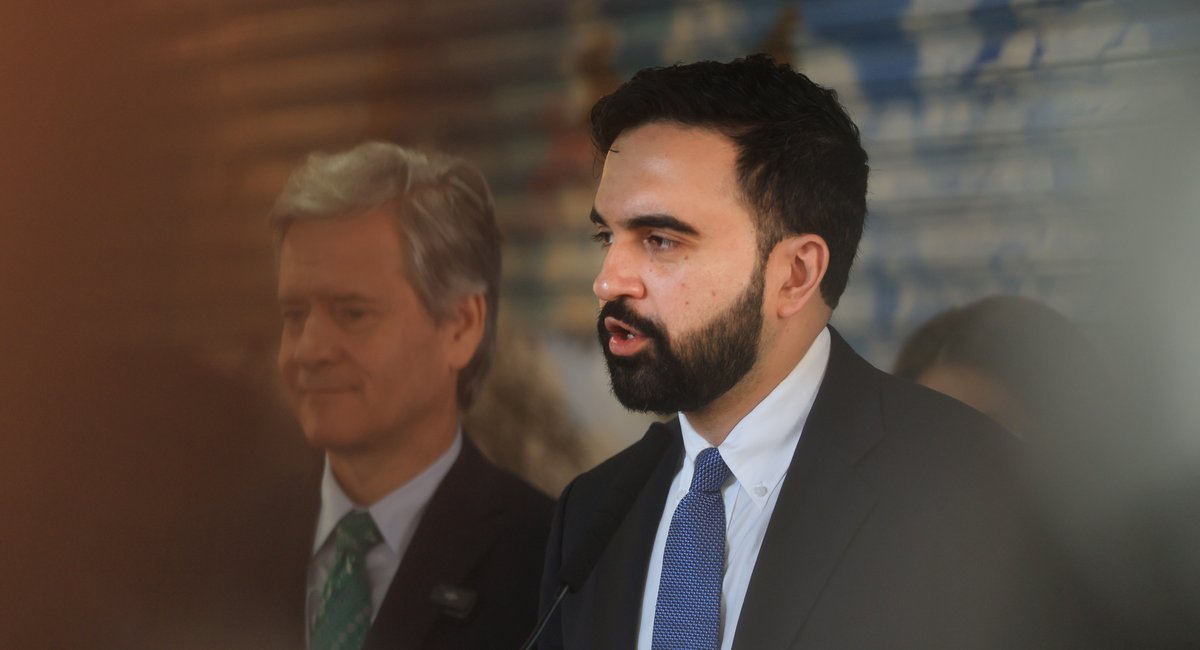
Mayor Zohran Mamdani and top New York City officials are rolling out a plan to drive down soaring property insurance costs to shore up the finances of some building owners and reduce the demand for higher rents.
Average insurance rates for buildings with affordable apartments more than doubled between 2019 and 2023, according to an analysis by the policy group New York Housing Conference. Last year, average insurance costs spiked by 10.5% for owners of rent-stabilized apartment buildings, recently released data from the city’s Rent Guidelines Board shows. The rates have increased as the number of companies insuring the buildings continues to shrink.
Deputy Mayor Leila Bozorg said the city will soon fund a new program that will provide liability and property insurance coverage for 20,000 apartments by 2027 and up to 100,000 apartments in 2030.
“Insurance costs have gone up exponentially,” Bozorg told reporters Wednesday. “When an owner has to pay significantly higher premiums, that means less money to put back into their buildings.”
Bozorg said the program would be run by a private insurer or collective with investment from the city. She said she did not yet know how much it would cost.
The city will first issue a formal contract request to hire a risk consultant, who will then determine pricing and program design later this spring, the deputy mayor said.
Mamdani is set to unveil more details about the plan at a housing policy event Thursday morning.
If successful, the effort could alleviate a growing problem for owners of New York City’s taxpayer-funded and rent-stabilized apartments, where rising expenses are straining owner finances and at times outpacing rental income.
“Right now, the market is failing the affordable housing industry, and our goal is actually to create a more healthy ecosystem of insurers for the affordable and rent-stabilized owners in the city,” Bozorg said. “Our goal is really to ensure people aren’t paying more for premiums than they need to be.”
She said the effort to get prices under control could help tenants and landlords alike by reducing operating expenses and lessening the demand for higher rents.
Mamdani ran on a pledge to “freeze the rent” for tenants in about 1 million rent-stabilized apartments — a rallying cry that elicited fury from owners of those apartments, who say they need more income to offset their own growing costs.
Bozorg said lower insurance rates would also allow the city to spend far less on financing for each apartment built with affordable housing subsidies, paving the way for more construction overall. She cited city housing data that found the city spends $1,200 more on new affordable apartments for every $100 increase in insurance costs.
The city’s largest lobbying group for owners of rent-stabilized apartments praised the effort in a written statement.
“Runaway premiums have made it increasingly difficult for responsible owners to protect buildings New Yorkers call home,” said Kenny Burgos, CEO of the New York Apartment Association. “We must deliver serious relief that benefits renters and their housing providers, and government must take a bigger role.”
The program would mark the latest effort by lawmakers to invest in an alternative to private insurers.
New York Gov. Kathy Hochul last year directed $2 million to an insurance collective started by a group of affordable housing owners known as Milford Street Captive Insurance. The group formed in response to their own rising insurance rates, which they say have eaten a bigger chunk of their overall budgets and reduced the amount of money available for maintenance and other expenses.
Insurance costs have soared for property owners across the country, with many insurers fleeing specific cities or states prone to flooding and fires, or raising rates across the board.
In New York City, several major insurance companies have declined to insure properties in low-income areas, leaving few options for landlords and driving up costs.
A 2023 investigation by Gothamist found dozens of companies raised prices or refused to cover buildings because tenants earned too little, or because they used rental assistance vouchers to help pay their rent. In response, state lawmakers enacted a new measure barring insurers from asking property owners about tenants’ source of income or using the information to make their coverage decisions.
Insurers, regulators and property owners have blamed the rate hikes on various factors, including natural disasters and a growing number of lawsuit settlements and jury awards from personal injury claims.
An analysis of court records by Milford Street Captive found that over half of the personal injury claims filed against landlords targeted owners of affordable and rent-stabilized apartment buildings, though those buildings made up only 20% of the stock.
Hochul has also proposed new regulations intended to force insurers to provide more information about why they are raising rates as part of the state’s next budget, which is currently more than two weeks overdue.