
This column originally appeared in The Politics Brief, our weekly newsletter on the people, power and policies that shape New Yorkers’ lives.
Sign up to get the full version where you can ask questions, share news tips and weigh in on the conversation. Hits inboxes on Wednesdays.
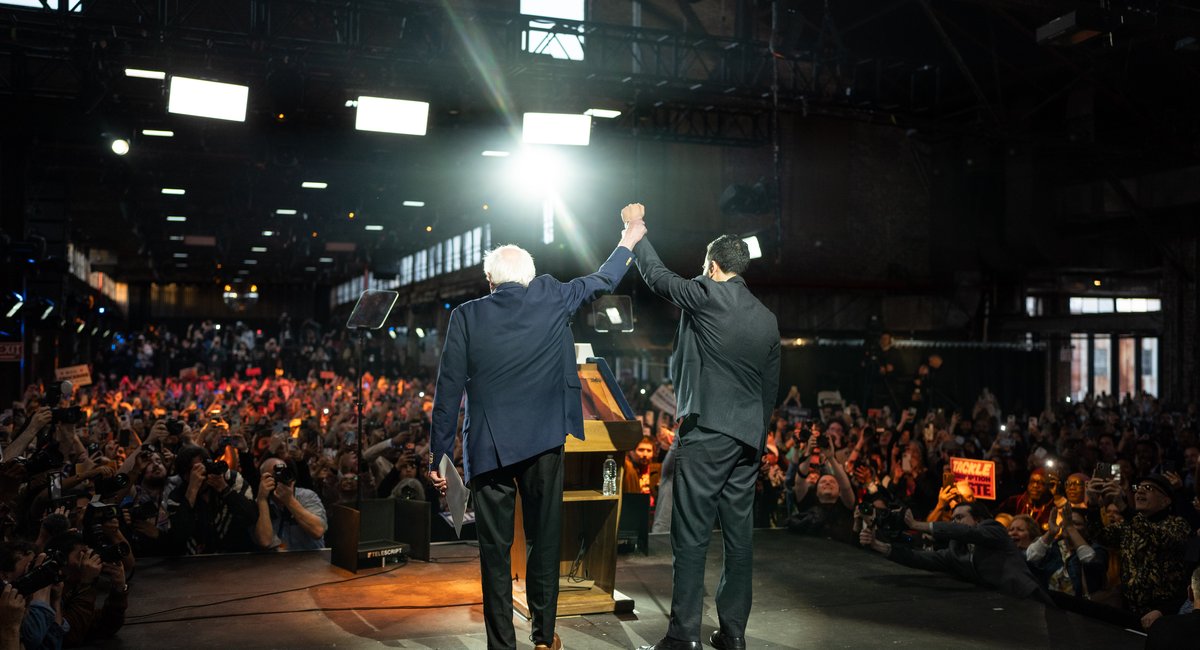
As Mayor Zohran Mamdani celebrated his first 100 days in office on Sunday, supporters at his campaign-style rally at the Knockdown Center in Queens carried signs featuring a rebrand of his governing philosophy.
“Pothole politics,” Mamdani declared, is “our 2026 answer to sewer socialism, where government is not too busy, not too self-important, not too mired in paperwork to fix the problems of this city no matter their size.”
The phrase sewer socialism is rooted in early 20th century Milwaukee, Wisconsin, where a series of socialist elected officials ushered the city out of an era of industrial filth and corruption, while investing in systems to transform sanitation and public health.
Here in New York City, the mayor often credited with cleaning up city corruption is Fiorello La Guardia, who had connections to socialism but was elected as a progressive Republican. Fast forward 35 years and another New York Republican, former U.S. Sen. Al D’Amato, was nicknamed “Senator Pothole” for his relentless focus on constituent services.
I’ll be interviewing Mamdani about the lessons he’s drawn from La Guardia at 7 p.m. on Monday. Click here to register for the livestream of the event. You can also submit a question for the mayor.
For Mamdani, “pothole politics” means touting accomplishments like removing scaffolding or filling a notorious bump at the base of the Williamsburg Bridge. The Mamdani administration even made a moment out of melting hundreds of tons of snow after winter storms pounded the city.
Filling potholes and cleaning streets are decidedly pedestrian endeavors considering Mamdani’s ambitious campaign promises of freezing the rent, providing universal child care and making buses free.
Still, his supporters say good government is good politics.
“So many New Yorkers have become cynical to the idea that politics could ever serve their needs. I think that challenging this cynicism successfully was what got the mayor elected and what drove his campaign,” said Gustavo Gordillo, co-chair of the Democratic Socialists of America’s New York City chapter.
And so far, they aren’t seeing street-level work as a consolation prize for the big ambitious stuff, Gordillo said.
“If there were a sense that the transformative reforms were being under-prioritized or given short shrift, in favor of delivering services, then that would result in a lot of discontent in DSA,” he noted, “but I don’t think most members really see it that way.”
But maintaining high-quality city services also comes with a cost, and the city is staring down a $5.4 billion budget gap. That’s why Mamdani has continued to call for the state to increase taxes on the wealthiest New Yorkers and corporations to pay for his signature programs and avoid cutting city services.
Democratic Gov. Kathy Hochul has steadfastly opposed new taxes, until Tuesday night, when she floated the idea of a new tax on second homes worth more than $5 million.
Mamdani praised Hochul’s proposal as a step in the right direction. But with an executive budget due next month, city workers are also bracing for what the final state budget will mean for them.
Sarah Roberson, 32, of Park Slope was among the hundreds of supporters at Mamdani’s rally Sunday night. As a city parks worker who opted to attend his event on her day off, Roberson said it was exciting to feel like the mayor really supported her work.
She said she was willing to give the mayor time to deliver on his bigger initiatives. But she noted that a staffing shortage at the parks department makes her job harder.
“He made a big promise for the 1% for parks and right now it looks like we’re potentially getting less than we did last year,” said Roberson. “That’s my biggest concern.”
ListenWe want to hear from you
This week we’re wondering: Do you think Mamdani is making good on his campaign promises with “pothole politics”?
We’ll share responses in next week’s newsletter. (Sign up!)