
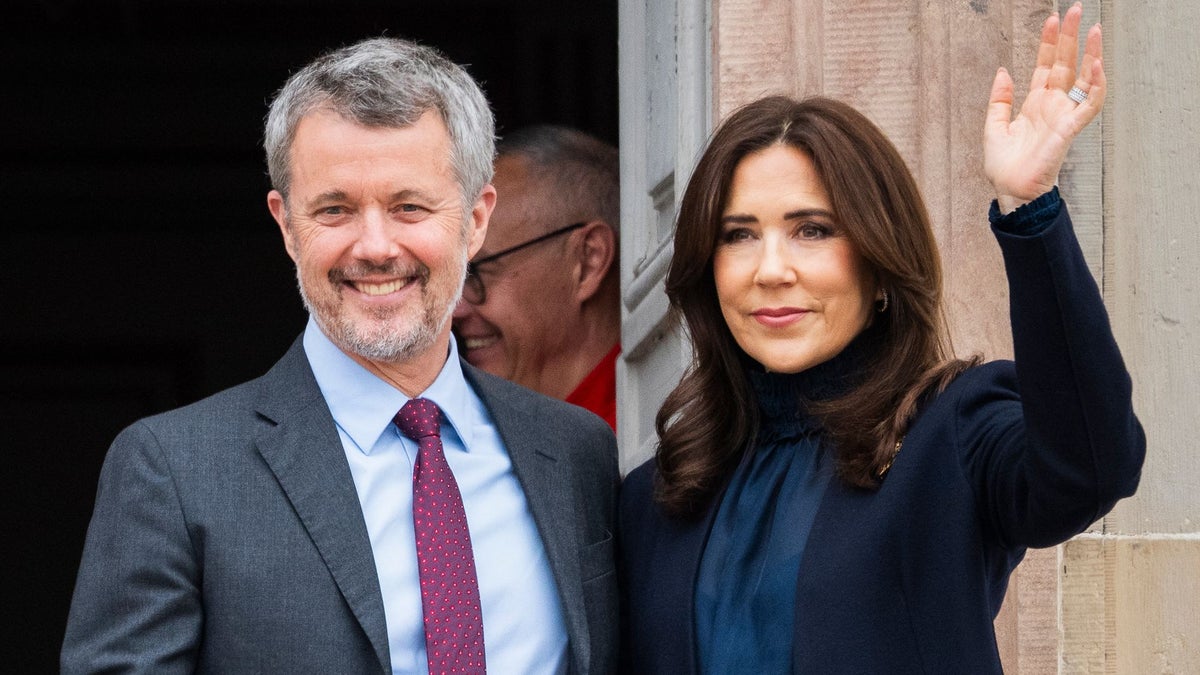
In a moment that quietly balanced duty and grief, Queen Mary of Denmark stepped back into public life on April 16, just five days after the passing of her father, Professor John Donaldson, at the age of 84.
Rather than the traditional mourning black, the Queen chose a deep navy ensemble for the occasion, an intentional and nuanced decision. Within royal protocol, navy is widely recognized as a “half-mourning” shade, allowing for a dignified expression of loss while acknowledging the celebratory nature of official engagements. It was a look that spoke volumes without saying a word.
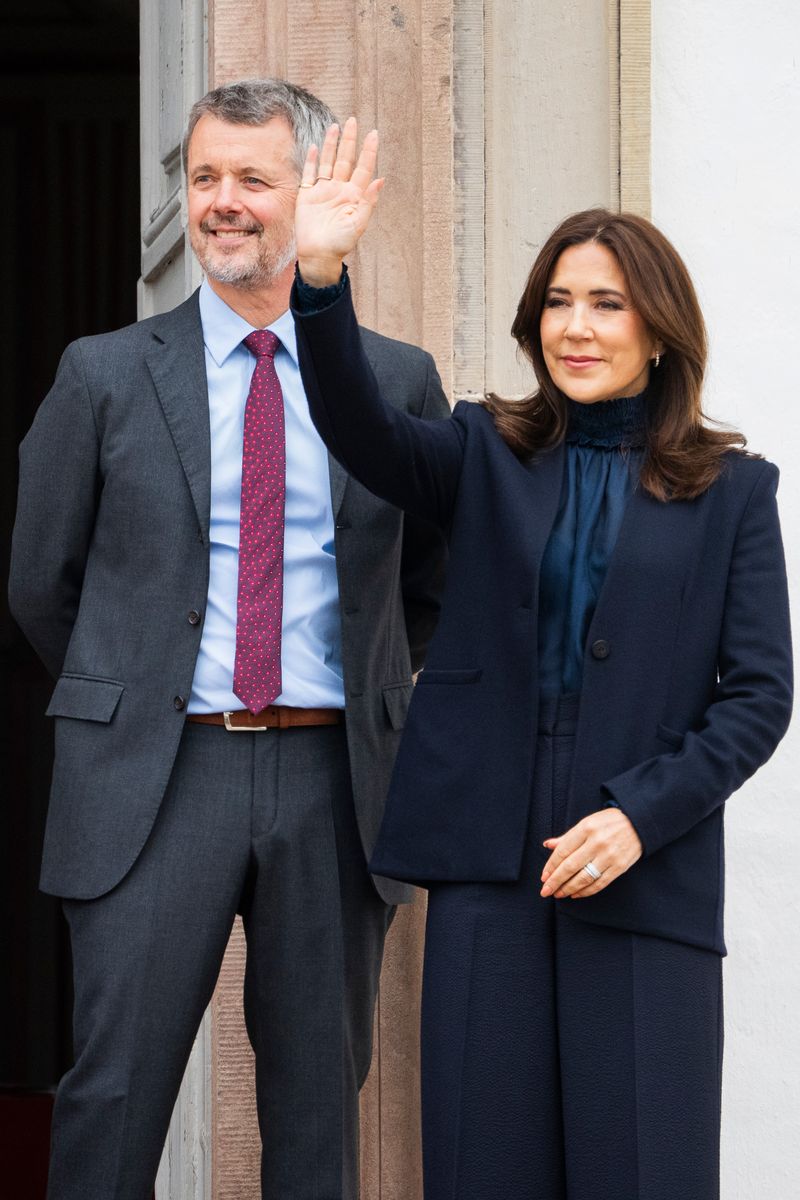 © Martin Sylvest AndersenQueen Mary’s choice of deep navy fits within this broader tradition, an understated gesture that conveys respect for personal loss while remaining appropriate for a public celebration.
A return framed by family and tradition:
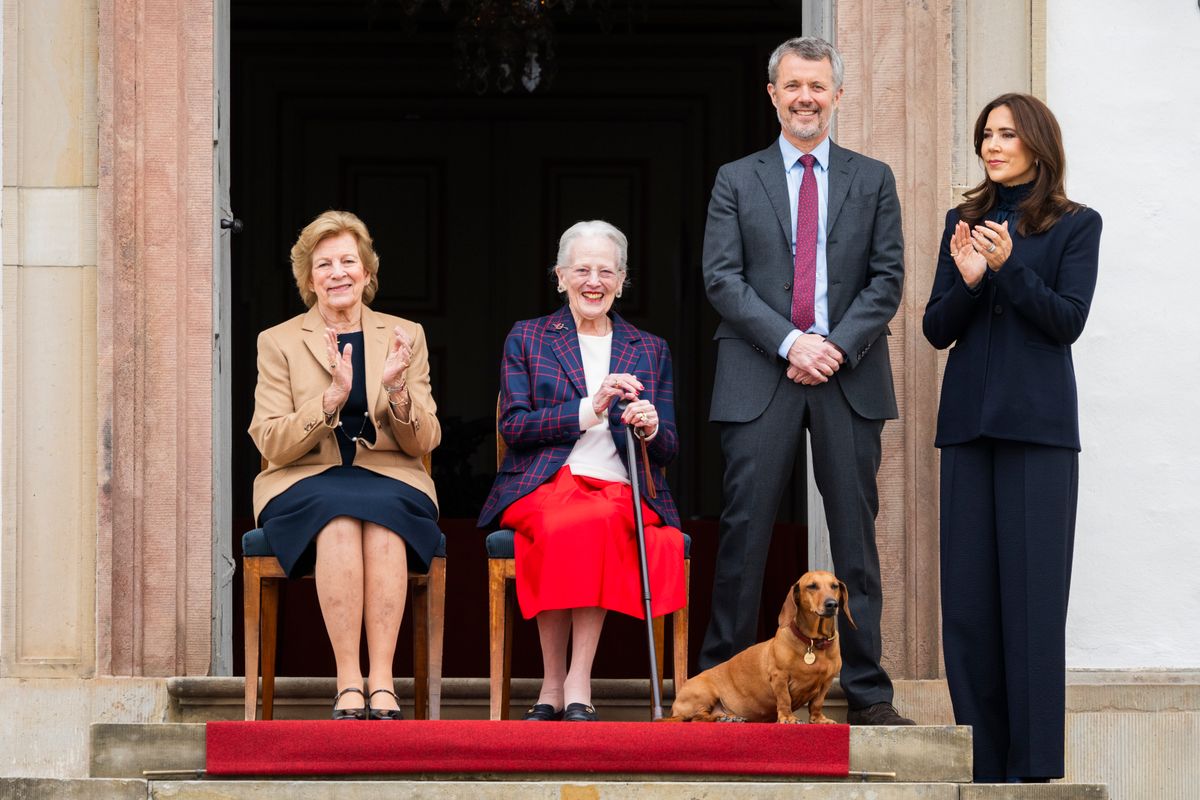
The setting was Fredensborg Castle, where Queen Mary joined King Frederik X and Queen Margrethe II to mark the monarch emerita’s 86th birthday.
The appearance carried emotional weight. It came during a particularly tender week for the Danish royal family, as preparations were also underway for the confirmation of the Queen’s younger children, twins Prince Vincent and Princess Josephine, scheduled for April 18.
 © Martin Sylvest AndersenThe appearance carried emotional weight. It came during a particularly tender week for the Danish royal family, as preparations were also underway for the confirmation of the Queen’s younger children.
The convergence of private sorrow and public celebration underscored the delicate balancing act required of modern royalty, where personal milestones and national duties often unfold side by side.
A personal farewell:
Following her father’s death, Queen Mary shared a deeply personal statement in English, offering a glimpse into her private sorrow.
“My heart is heavy, and my thoughts are grey. My beloved father has passed away. But I know that when the grief settles, the memories will brighten my day, and what will remain strongest is love and gratitude for everything he gave me and taught me.”
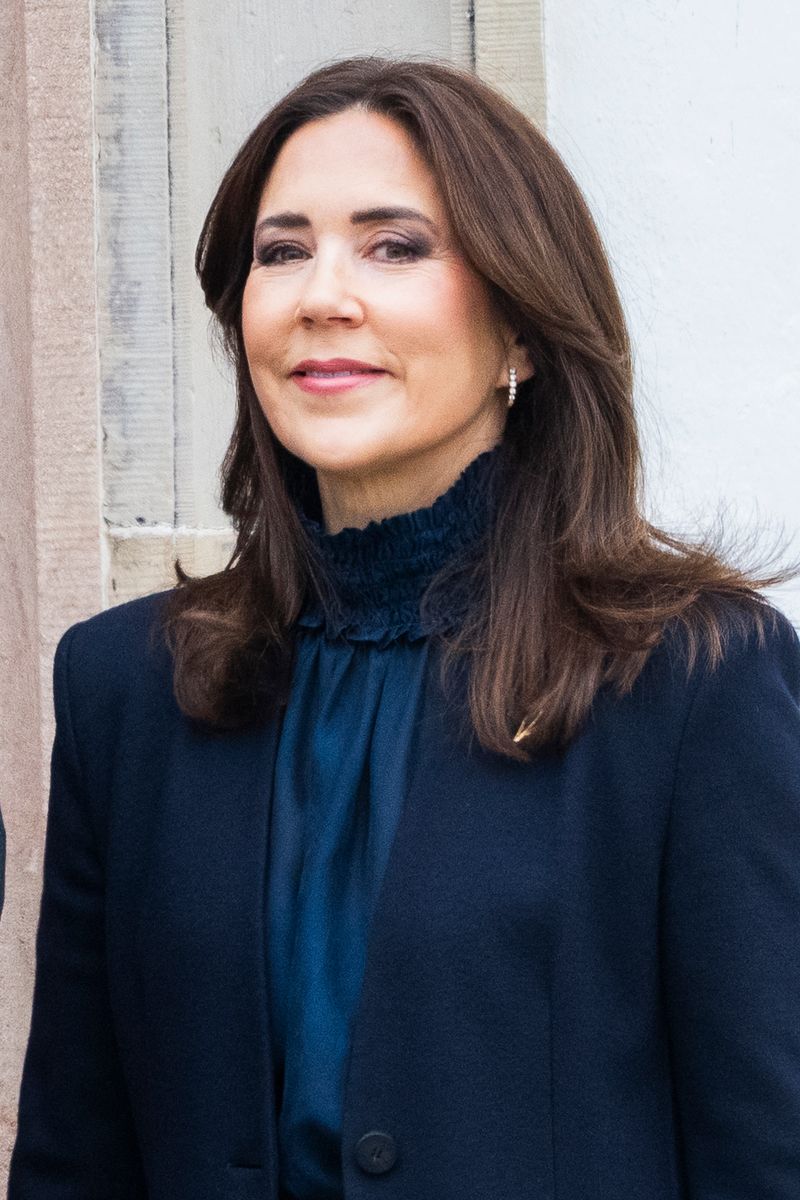 © Martin Sylvest AndersenRather than the traditional mourning black, the Queen chose a deep navy ensemble for the occasion, an intentional and nuanced decision.
The Royal House’s formal announcement echoed the sentiment, confirming his passing and honoring his life’s work and legacy.
In her first appearance since his death, Queen Mary’s presence, measured, elegant, and quietly expressive, captured the essence of modern monarchy. A life lived in public, even in moments of profound personal loss.
The language of royal mourning:
Across Europe’s royal households, mourning is less a fixed rulebook than a nuanced visual language, one shaped by centuries of tradition, yet increasingly adapted to the expectations of modern public life. While black remains the most immediate symbol of grief, it is no longer the only expression of it.
Historically, mourning dress followed a structured progression. The earliest phase, often referred to as full mourning, centered on matte black fabrics such as crepe, worn in the days immediately following a death and during funeral rites.
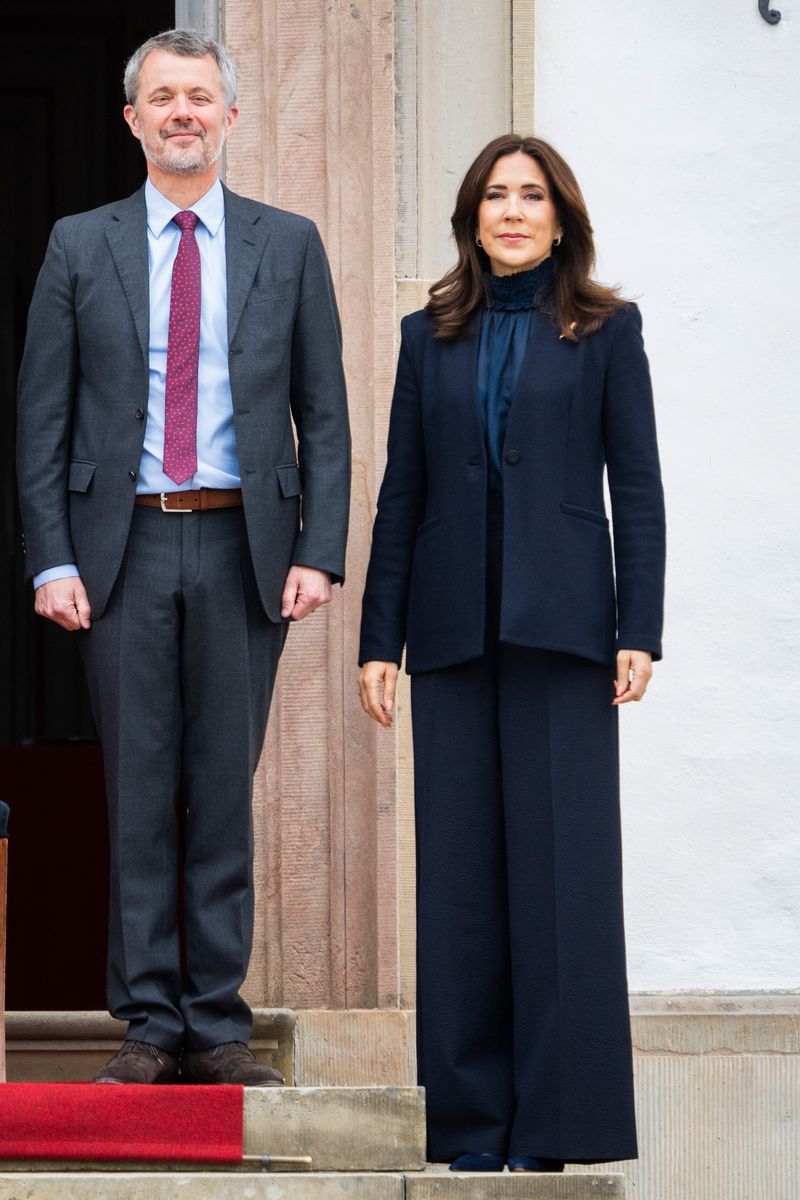 © Martin Sylvest AndersenFollowing her father’s death, Queen Mary shared a deeply personal statement in English, offering a glimpse into her private sorrow.
Over time, this could give way to a softer palette, what is traditionally known as half mourning, where tones like navy, grey, white, and even muted lavender were introduced.
Today, these distinctions are interpreted with greater flexibility. Royal wardrobes tend to reflect the tone of each engagement rather than adhere strictly to prescribed stages.
Queen Mary’s choice of deep navy fits within this broader tradition, an understated gesture that conveys respect for personal loss while remaining appropriate for a public celebration.
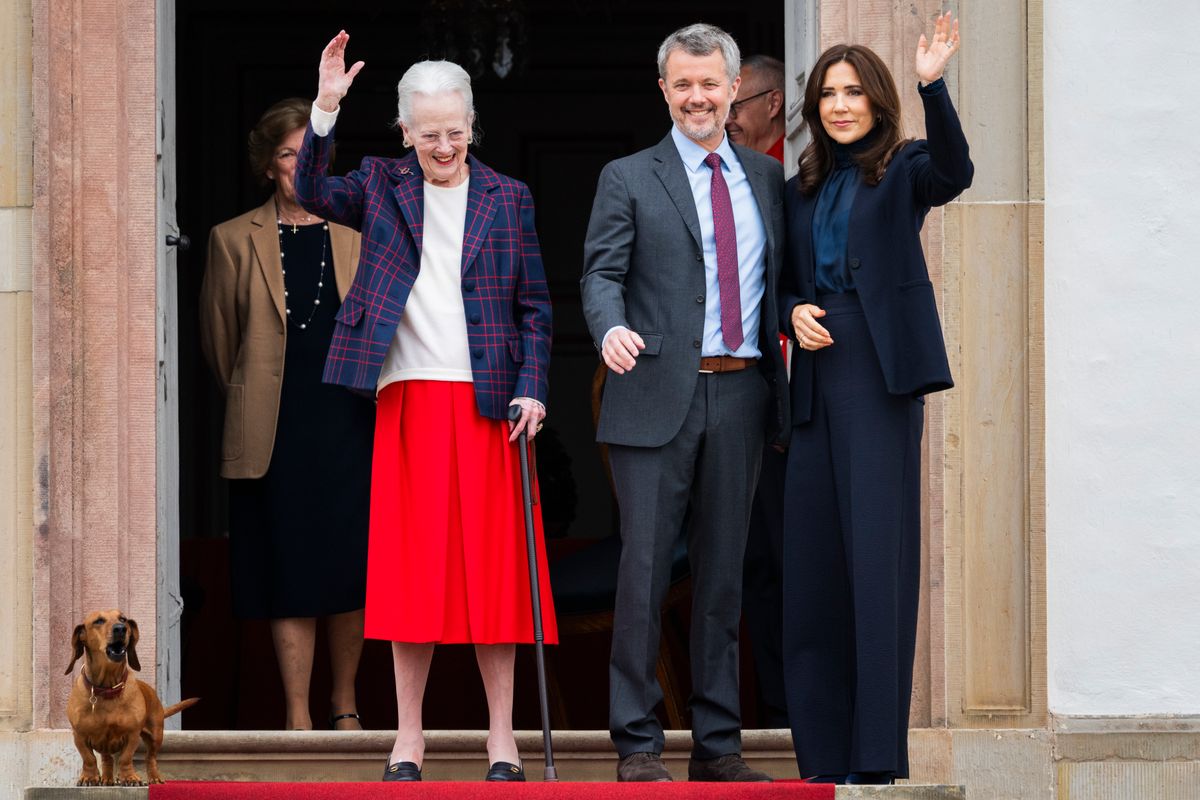 © Martin Sylvest AndersenQueen Margrethes dog Tilia, Queen Anne-Marie of Greece, Queen Margrethe of Denmark, King Frederik X of Denmark and Queen Mary of Denmark attend the 86th Birthday celebrations of Queen Margrethe II of Denmark
Some customs, however, have endured. Since the death of George VI, royal women have been expected to travel with a complete black ensemble, ensuring they are prepared to observe mourning protocol wherever they may be. Jewelry, too, carries quiet symbolism: pearls are long associated with tears and remembrance, while jet and, in later moments, diamonds may also appear.
Even beyond dress, subtle signals mark periods of royal mourning. Official correspondence may feature black edging, and flags are lowered to half-mast in the days surrounding a death and funeral. Yet, as with fashion, these gestures are now guided as much by context and sensitivity as by strict tradition, reflecting a monarchy that continues to evolve while honoring its past.