
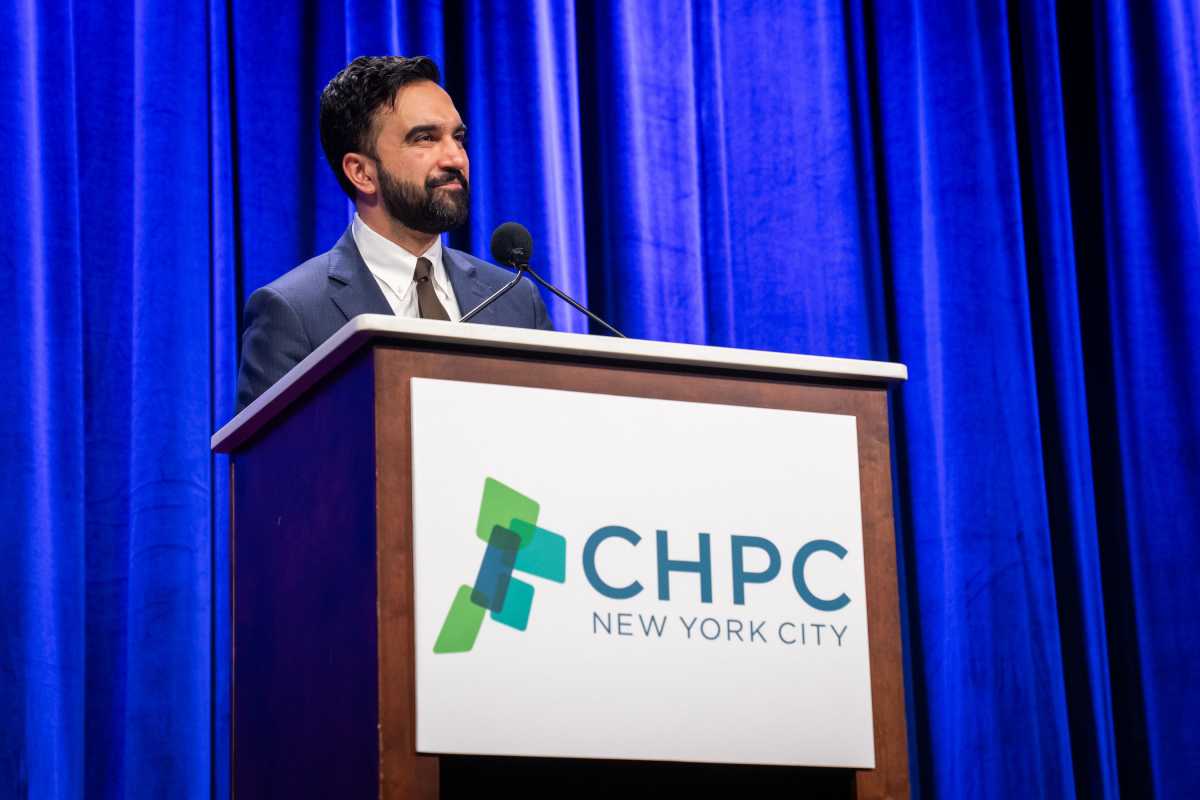
Mayor Zohran Mamdani’s administration rolled out on Thursday what it called a first-of-its-kind, city-backed insurance program aimed at lowering property and liability premiums for affordable housing and rent-stabilized buildings — an effort City Hall says could reduce costs for 20,000 homes by 2027 and 100,000 homes by 2030.
The mayor’s office said insurance costs for this housing stock have more than tripled since 2017, and argued that rising premiums have become a major driver of both building operating costs and the city’s own affordable-housing spending.
“We cannot take on the housing crisis without confronting one of the fastest-growing costs facing New Yorkers: insurance,” Mamdani said in a statement announcing the program. “That’s why we’re creating the first city-backed insurance program — to help New Yorkers stay in their homes, give building owners the support they need to make repairs, and build a city that New Yorkers can actually afford.”
The administration said an interagency working group made up of the New York City Economic Development Corporation, the Housing Development Corporation and the Department of Housing Preservation and Development will oversee the effort. HDC is expected to issue a request for proposals for an actuary or risk consultant this week, and NYCEDC plans to issue a request for expressions of interest this summer on how the insurance program should be structured and operated. City Hall said the program is intended to become self-sustaining over time.
Officials also cast the plan as a way to stretch scarce housing dollars. According to the release, every $100 increase in insurance costs requires $1,200 more in city capital in new affordable-housing transactions.
Deputy Mayor for Housing and Planning Leila Bozorg said the city’s goal is to use “the city’s purchasing power to lower insurance premiums,” while HPD Commissioner Dina Levy called soaring insurance costs “a market failure that has gone uncorrected for too long.”
NYC seeks insurance relief for landlords
The announcement lands in the middle of the city’s annual rent-setting fight, with landlords and tenant advocates already wielding dueling Rent Guidelines Board reports over whether rents should rise or be frozen. Earlier this month, the board’s 2026 Price Index of Operating Costs found owner costs for buildings with rent-stabilized apartments rose 5.3%, including a 10.5% increase in insurance costs and an 11.0% jump in fuel costs.
But the board’s newly released 2026 Income and Affordability Study on Thursday found that 51.6% of renter households pay 30% or more of their income toward rent, unemployment rose to 5.2% in 2025 and residential evictions increased 9.7% citywide.
The insurance proposal drew a measured welcome from some landlord-aligned groups even as the broader politics around rent-stabilized housing remain tense.
In the city’s press release, New York Apartment Association CEO Kenny Burgos said, “We appreciate Mayor Mamdani tackling the insurance crisis head-on,” adding that “runaway premiums” have made it harder for owners to protect regulated buildings.
The Real Estate Board of New York, meanwhile, said the mayor was right to recognize that “insurance, property taxes, and utilities are exponentially driving expense growth” for regulated housing.
But not every landlord group is sold. Small Property Owners of New York board president Ann Korchak told amNewYork the plan “raises many questions” and asked whether the pilot would include a proportional share of small rent-stabilized owners or mainly benefit nonprofit housing providers that already receive public subsidies and property-tax exemptions.
She also argued that because the insurance market is so complex, it could take years for the program to make a meaningful difference for distressed small owners, and said City Hall could move faster by cutting property taxes and eliminating costly mandates.
While the administration said the program would target affordable and rent-stabilized housing broadly, the announcement did not say whether small private landlords would receive a dedicated share of the initial coverage pool, or how eligibility would be divided among nonprofits, regulated private owners and other building types.
Small-owner groups have been arguing at the RGB that the city’s most heavily stabilized buildings are under mounting pressure. Landlord advocates have leaned on data showing rising operating costs and stress in majority-stabilized properties, while tenant groups have pointed to high rent burdens, weak affordability and rising evictions as evidence that renters cannot absorb another increase.