
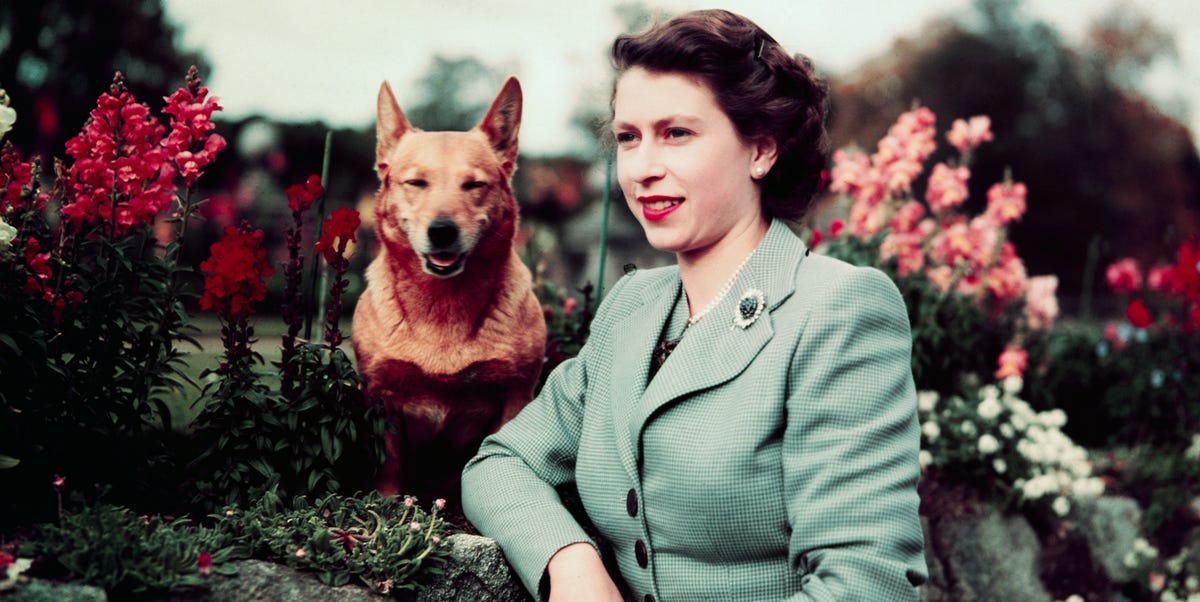
On 21 April, the late Queen Elizabeth II would have turned 100 years old. Britain’s longest-reigning monarch was known not only for her stoic commitment to public service and her ability to navigate major political change with poise, but also for her personal passions. Beyond her official duties, she was famously fond of corgis, horses and the natural world.
To mark the late monarch’s centenary, attention turns to one of her lesser-known favourites: the lily of the valley. This delicate spring flower first featured in her coronation bouquet in 1953 (and later also in Kate Middleton’s bridal bouquet), after which it became an enduring presence at Buckingham Palace during Queen Elizabeth II’s reign.
In an obituary for Gardeners’ World following her passing in 2022, horticulturalist Alan Titchmarsh recalled that the late Queen “loved primroses, lily-of-the-valley and other modest blooms far more than elaborate exotics; something that speaks volumes about her personality.”
 Norman Posselt//Getty Images
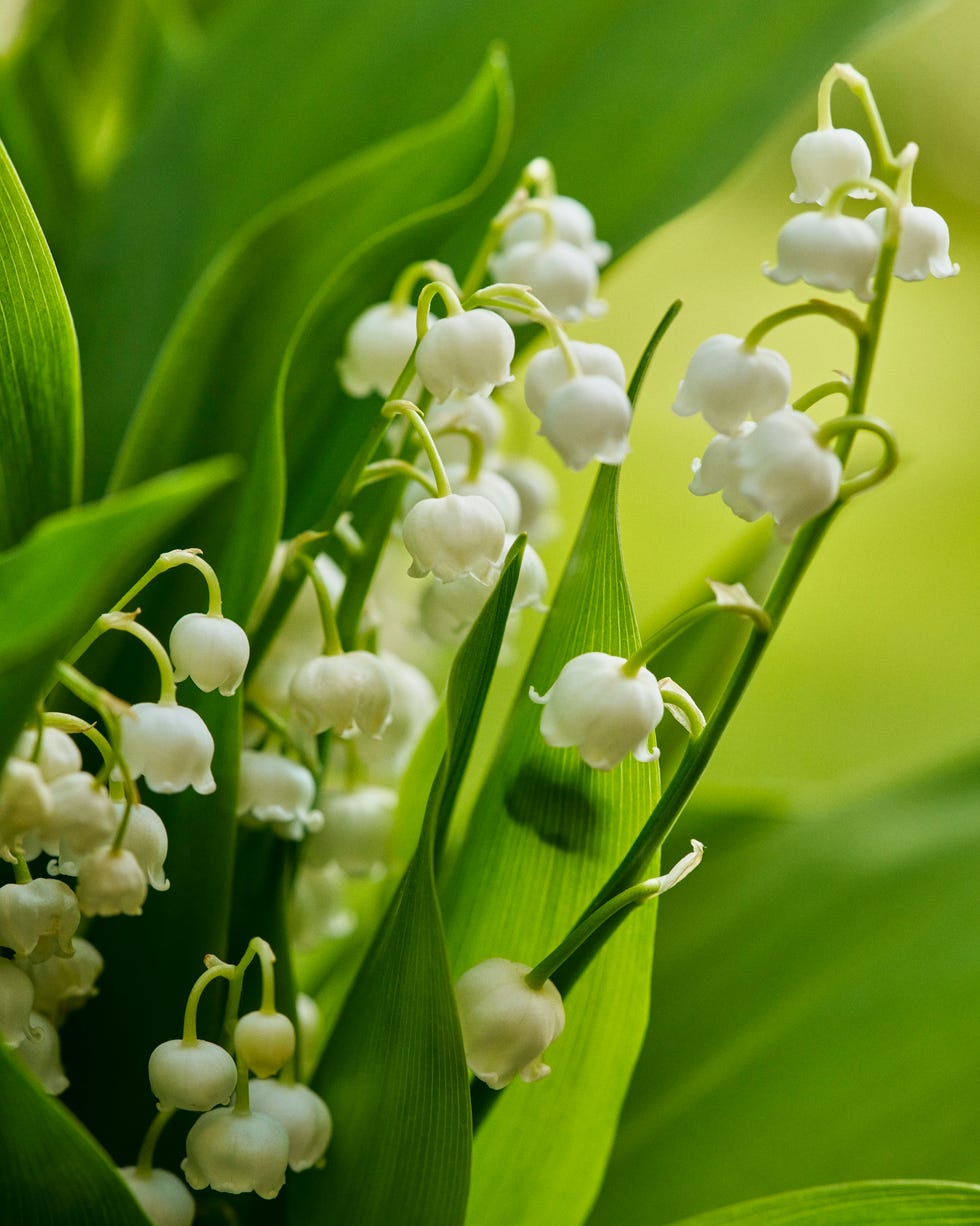
Lily of the valley
What is special about the lily of the valley?
Lily of the valley is steeped in legend. Some believe the small flowers actually formed from Eve’s tears as she left the Garden of Eden, and the flower appears several times in the Bible.
Beyond these religious associations, its physical qualities have also shaped its symbolism. With their fresh, green scent and stems lined with small, delicate bell-shaped blooms, lily of the valley has long been associated with royalty and is used as a symbol of love, motherhood and purity.
These meanings are reflected in cultural traditions across Europe. In France, for example, sprigs of the flower are given on May 1st during La Fête du Muguet (Lily of the Valley Day) to wish happiness and good luck – a tradition that began in 1561 when King Charles IX was presented with the flower as a good luck charm. It’s also the national flower of Finland and was once associated with Yugoslavia.
 WPA Pool//Getty Images
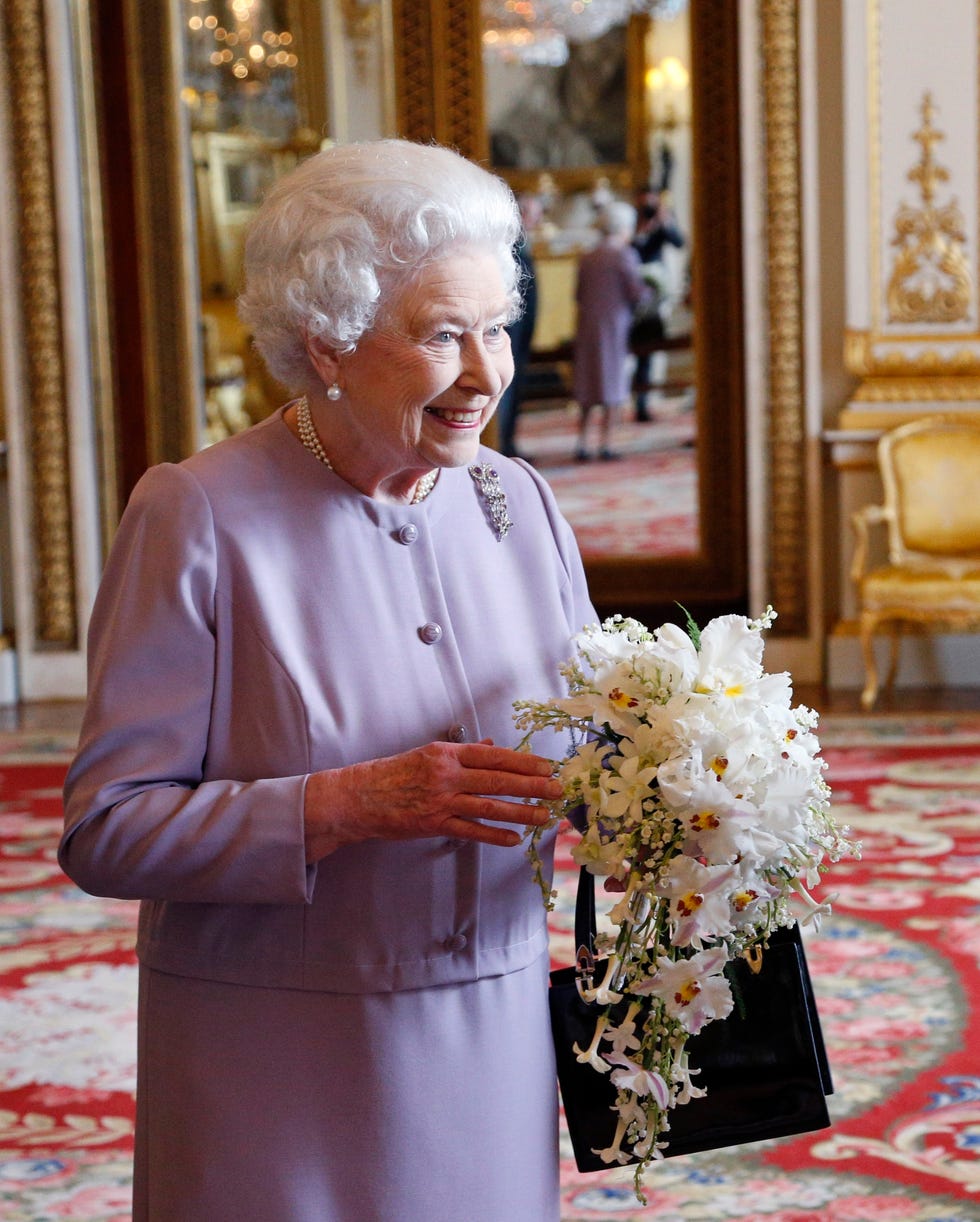
Queen Elizabeth II holding a replica of her coronation bouquet created for the 60th anniversary of the coronation
Its appeal even extends into popular culture. Perfume makers from Estée Lauder to Dior and more have used the bloom’s unique scent in their perfumes. It’s even the subject of a song by the rock band Queen.
What do lilies of the valley represent?
Lily of the valley has represented different things across the centuries. In the Victorian era, it symbolised a return to happiness, and in ancient times, it was associated with humility and purity, as well as the goddess Ostara (from whose name we get our modern Easter).
It’s also been associated with the Greek god Apollo, who is said to have created it so his nymphs would have a soft carpet to walk on. Today, it is largely associated with motherhood and happiness, but most formally with spring, and especially May.
What kind of plant is lily of the valley?
Lily of the valley’s scientific name is Convallaria majalis. It’s a cool-weather woodland plant, native to Europe and the northern parts of Asia. Even though it’s related to asparagus, it contains a group of chemicals called “glycosides”, which are poisonous.
A perennial plant, lily of the valley can last for years in woods or gardens once it’s established, but it does not tolerate heat well and can die if the weather is warm for too long. Lily of the valley blooms in low-growing bunches (about 6 to 12 inches high) and the blooms last for just three to four weeks in the late spring.
 Bettmann//Getty Images
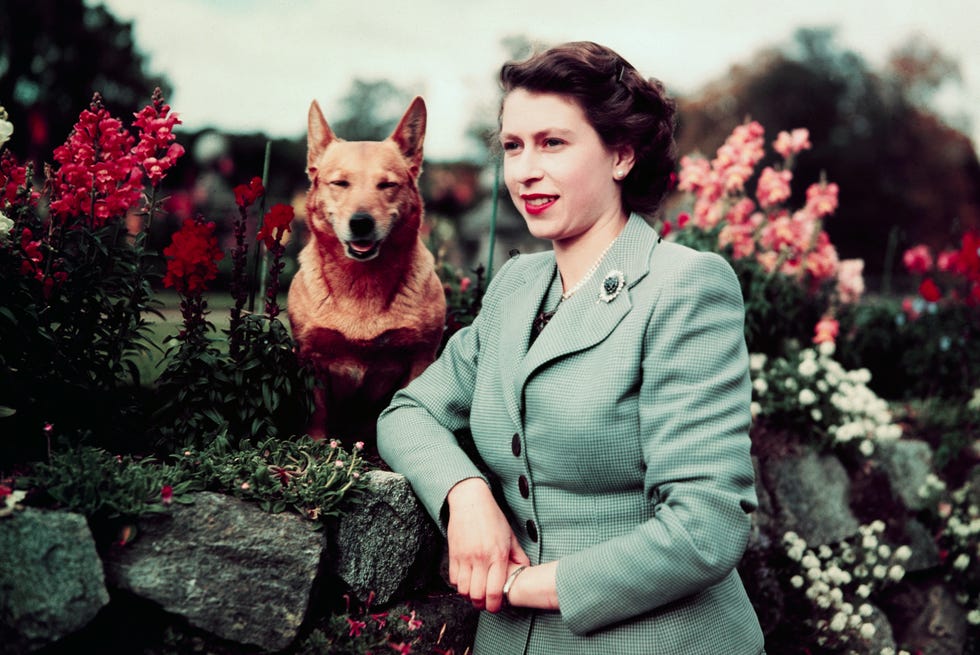
The late Queen was famous for her love of corgis, horses and the natural world
Want the Queen’s favourite flower in your garden? What to know before planting
Native to forest floors, lily of the valley plants love shade and will do well under trees or anywhere with partial shade. Once positioned, they spread quickly underground, making them great ground covers.
It’s worth noting that their rapid growth can make them invasive. If you’re worried about spreading, consider growing them in pots or other containers, where they’ll flourish without taking over precious soil space.
If growing them in the ground, be sure to dig up and divide the roots every few years. This will spark new growth and ensure plants continue to flower. Once established, lily of the valley needs little attention and doesn’t need to be watered except in cases of drought.
Gardening must-haves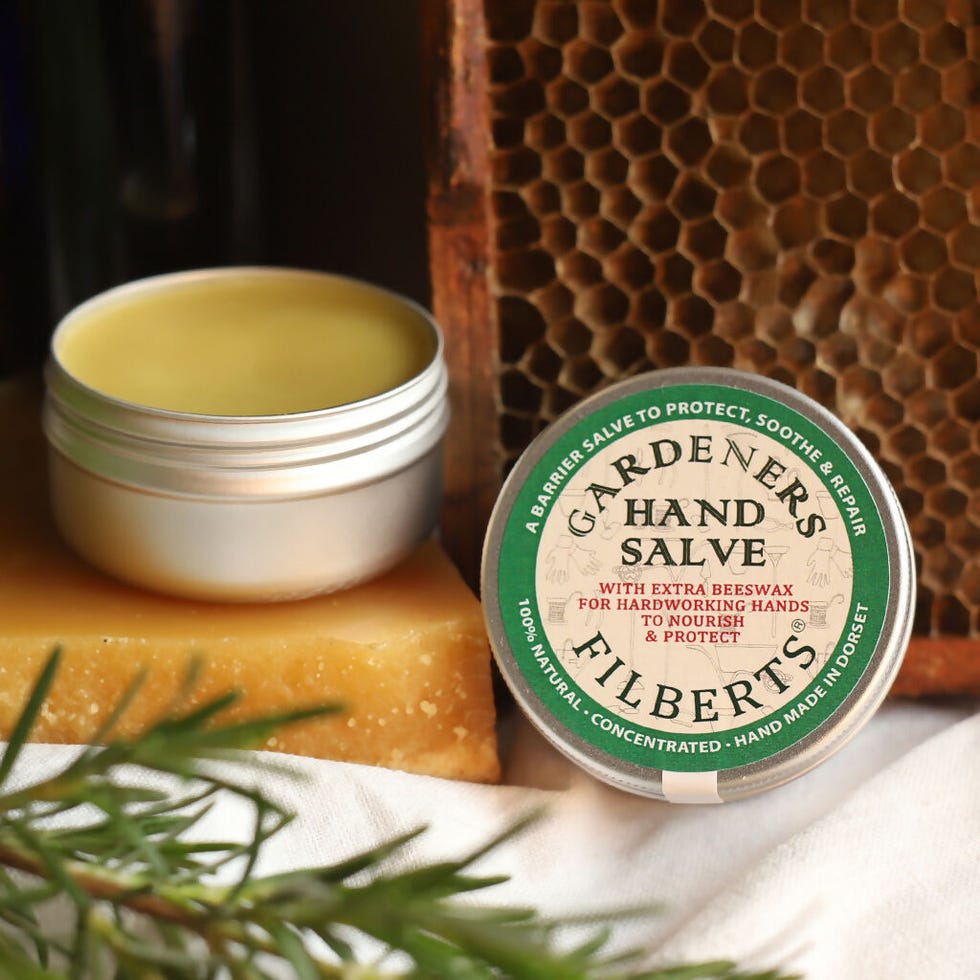 Filberts of Dorset Gardeners Hand Salve
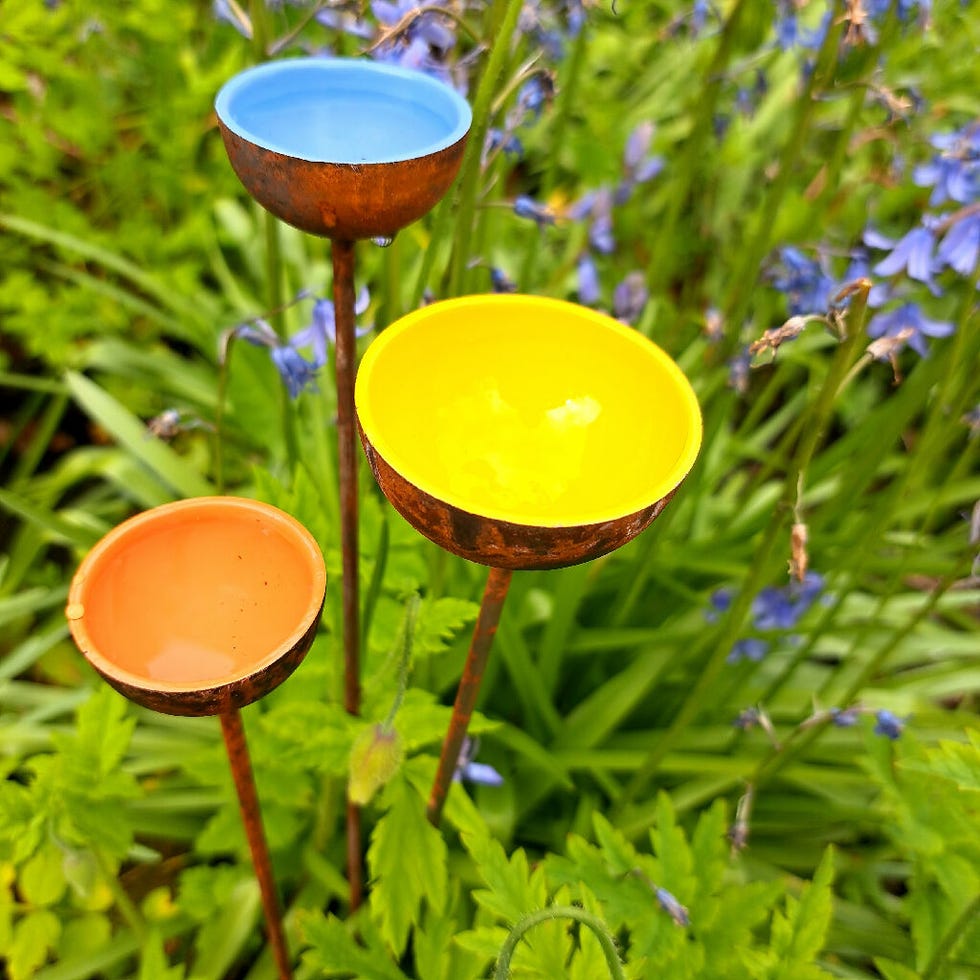 Haywards Garden Bee and Butterfly Water Stations, Garden Décor, set of three colourful bee water cups .
Now 17% Off
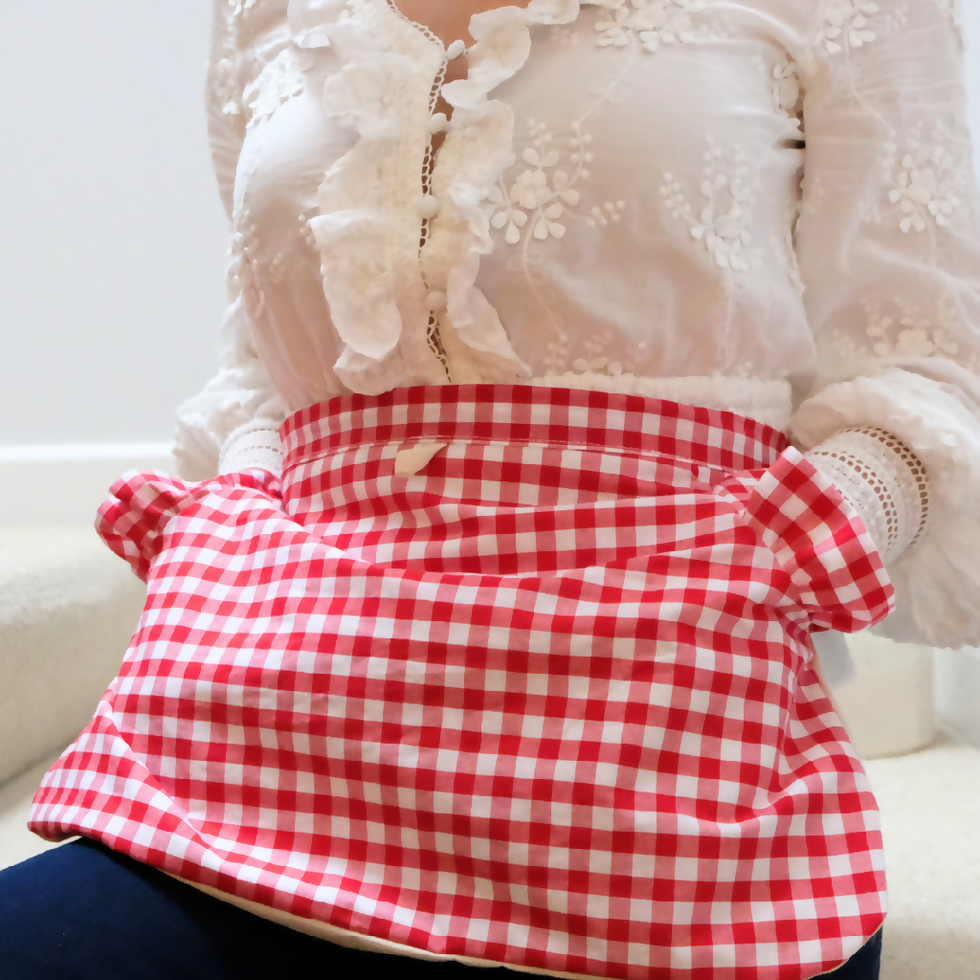 Home Sussex Handmade Peg Apron
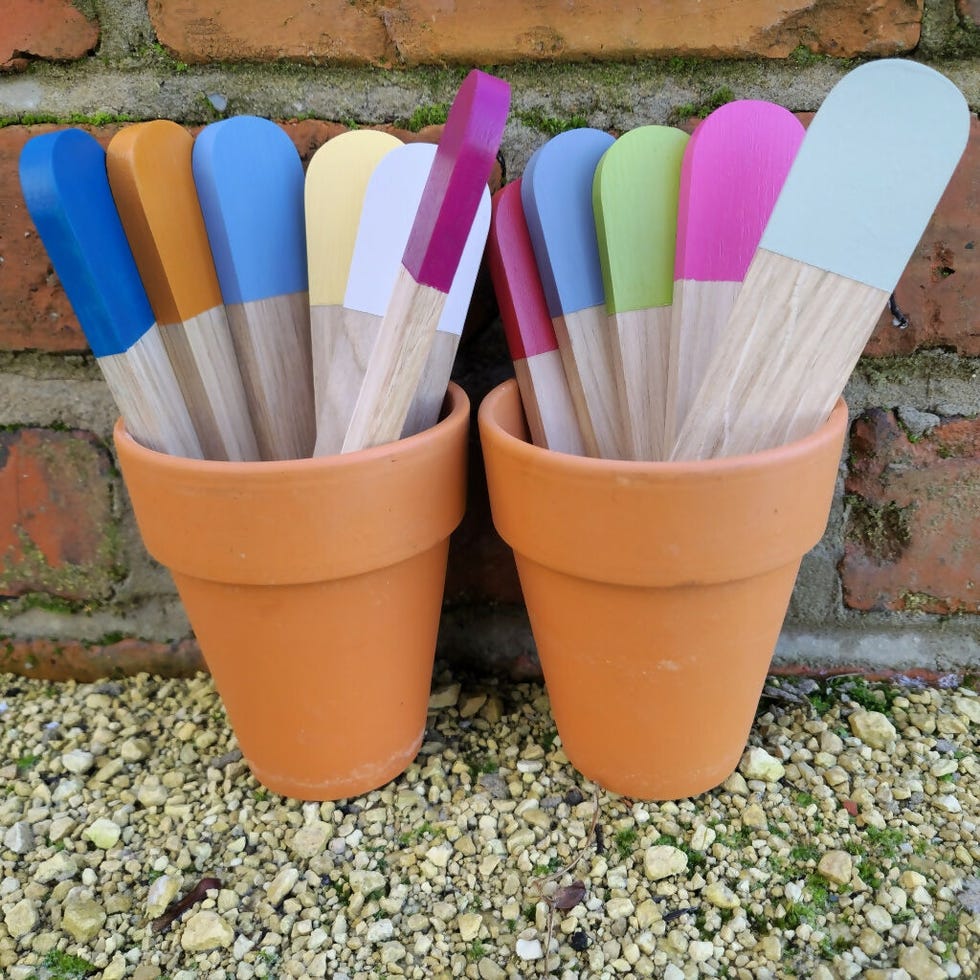 Painted Garden Label/Marker
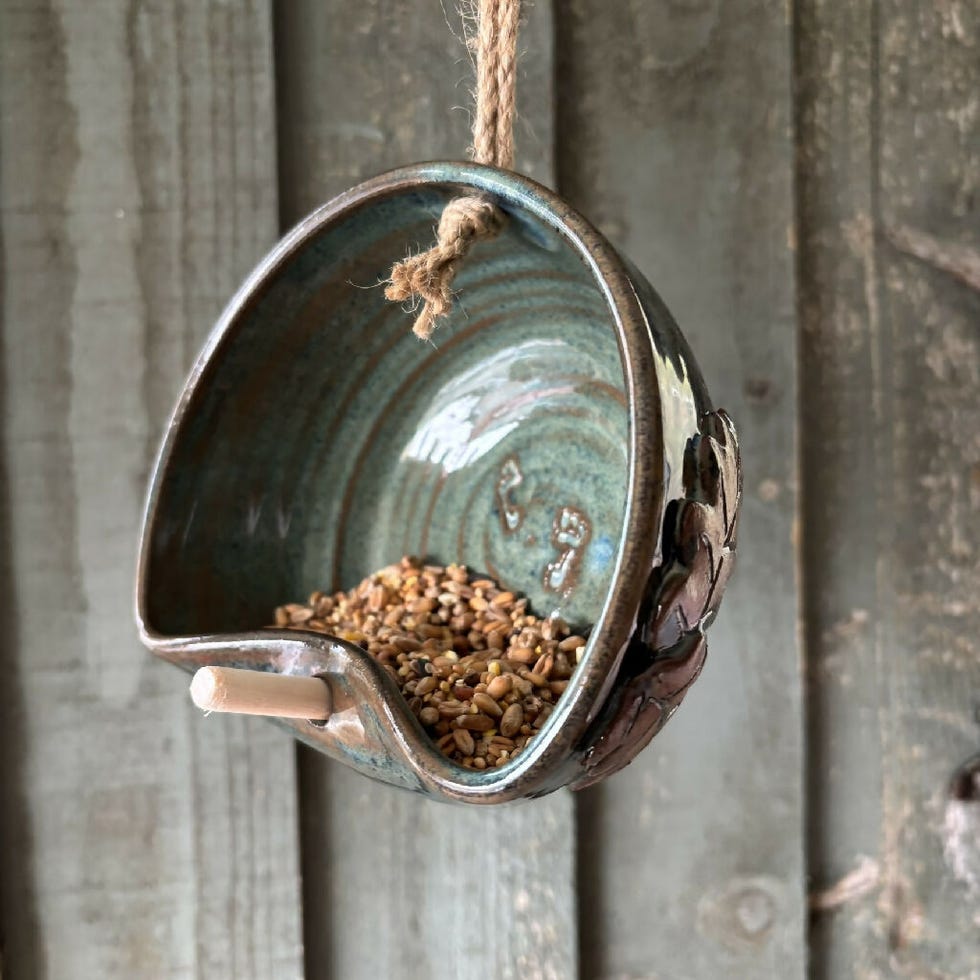 The Fae Potter Wild Bird Feeder ceramic hanging
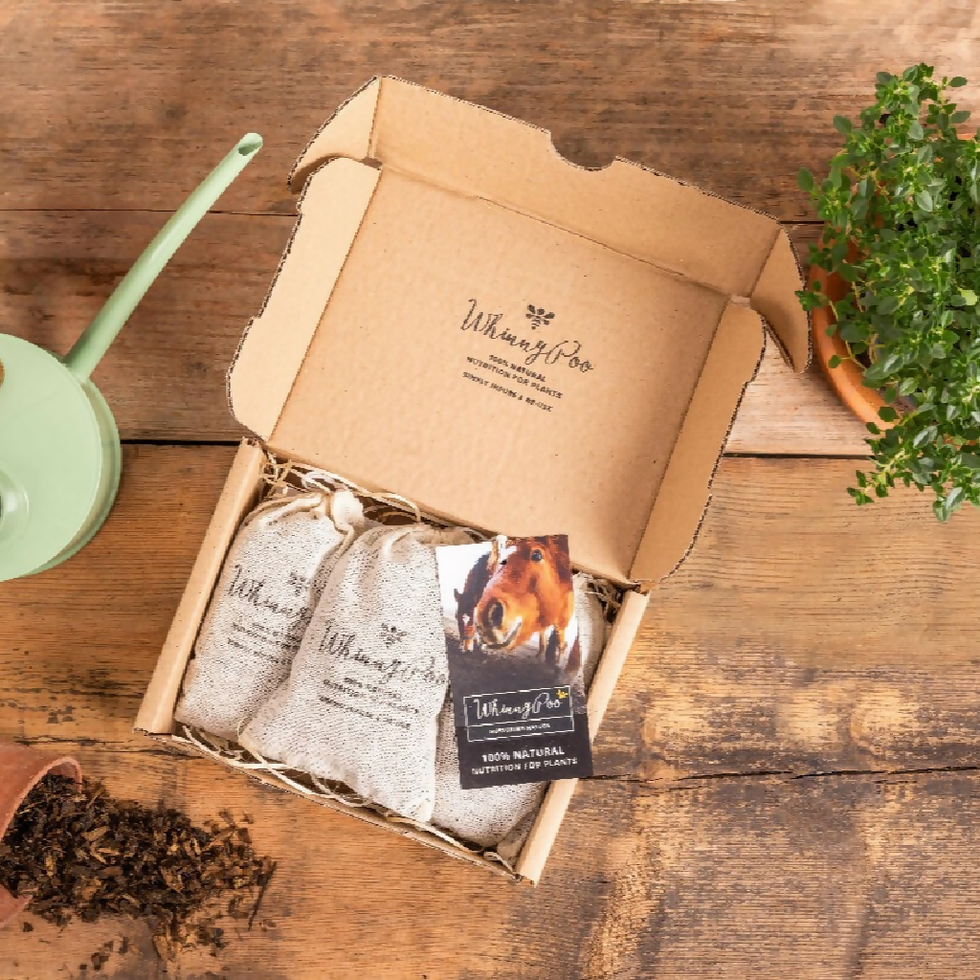 WhinnyPoo WhinnyPoo Box of 3 Plant Feed
Christopher Michel is the former Senior Food and Gardens Editor at Country Living Magazine. Chris has well over a decade of experience writing and editing for national magazines and websites, mostly in the food space, such as Cooking Light, The Kitchn, Rodale’s Organic Life, and Bon Appetit. Prior to that, Chris worked in a variety of food spaces in New York City. In 2022, Chris completed the Alabama Master Gardener’s Program hosted by the Alabama Cooperative Extension System. Chris lives in Birmingham, AL, where he enjoys running, reading, and cooking for his wife and two girls.

Wanda Sachs is the Daily Writer for House Beautiful and Country Living, exploring the latest in interior design, home trends, property news, wellbeing and sustainable living. With a keen eye for style and a passion for storytelling, she previously served as an Associate Editor at The Berliner in Berlin, where she launched and led the magazine’s monthly style vertical, covering emerging fashion trends. Wanda holds a combined BA in English and German from Goethe University Frankfurt.