
On July 16, 1945, the research and development efforts of the nation’s once-secret Manhattan Project were realized with the detonation of the world’s first nuclear device at the code-named “Trinity” test site over 200 miles south of Los Alamos, New Mexico.
This first-ever detonation of a nuclear device thrust mankind into a new era marked by the development of weapons with previously unimaginable power, and a complicated legacy that includes the fields of nuclear medicine and nuclear energy, the growth of a vital national laboratory system, and the vast environmental cleanup responsibilities entrusted to EM.
Today, EM continues cleanup activities from the impacts of national security efforts in World War II across the remaining Manhattan Project sites and those involved in the Cold War. EM’s charge also includes support for the preservation and recognition of some of the historic facilities of the Manhattan Project.
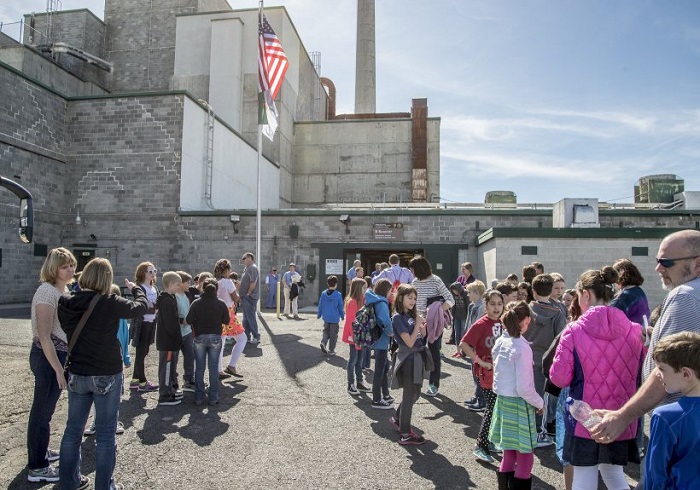
The B Reactor at the Hanford Site in Washington state was constructed in 1943 and produced plutonium used in the Trinity Test, as well as for the atomic bomb dropped on Nagasaki, Japan. Now one of five Hanford facilities in the Manhattan Project National Historical Park, B Reactor, has had visitors from all 50 states and more than 90 countries worldwide.
Los Alamos National Laboratory (LANL) was established for a single purpose: to design and build an atomic bomb. The EM Los Alamos Field Office, established in 2015, pursues an active legacy cleanup mission. It investigates hazardous chemical and radioactive materials contamination as a result of past LANL operations and remediates sites where such materials are found above acceptable regulatory levels.