
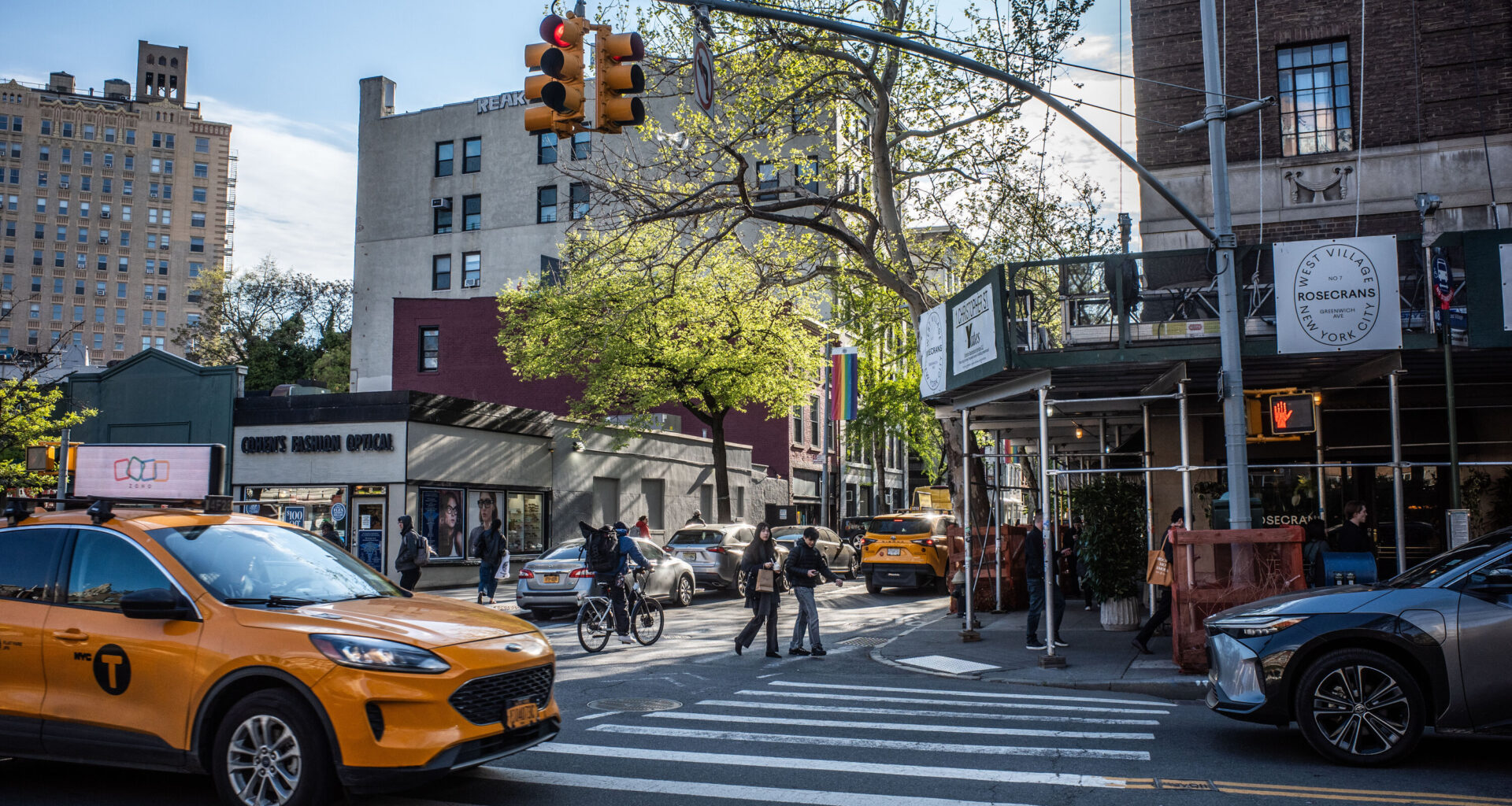
A pivotal special election in Manhattan’s Third District has ignited a fierce debate over identity, ideology, and the future of LGBTQ representation in New York City politics. The district, which spans from Greenwich Village to Hell’s Kitchen, is the historic heart of the gay rights movement and home to the Stonewall Inn. Since 1991, the seat has been held exclusively by LGBTQ individuals, but next Tuesday’s vote could break that 35-year streak.
The race pits Lindsey Boylan, a straight activist and former state official, against Carl Wilson, a gay community activist and legislative aide. What was initially a quiet contest has been transformed into a high-stakes ideological battle following the endorsement of Boylan by Mayor Zohran Mamdani, a prominent democratic socialist. The move has exposed deep rifts within the Democratic party and raised questions about whether the “gay winnable” seats created decades ago remain essential in 2026.
The Legacy of 1991 and the Identity Debate
For activists like Allen Roskoff, who led the charge to create a district where an LGBTQ candidate could realistically win, the prospect of a straight representative is a step backward. Roskoff and his contemporaries argue that the unique challenges faced by the LGBTQ community—ranging from healthcare disparities to the protection of historic sites—require a representative with lived experience. Carl Wilson has campaigned heavily on this legacy, securing endorsements from moderate Democrats and pledging to uphold the district’s tradition of queer leadership.
Lindsey Boylan, however, argues that her platform of “progressive universalism” is what the district needs most. As the first woman to publicly accuse former Governor Andrew Cuomo of sexual harassment, Boylan has built a reputation as a fearless challenger of the establishment. Supported by Mayor Mamdani, she has focused her campaign on housing affordability, transit equity, and social justice—issues she claims transcend sexual orientation. Her supporters argue that a candidate’s ideology and record of activism should outweigh their identity in the voting booth.
Mamdani vs. Menin: A Proxy War
The election has also become a proxy war between two of New York’s most powerful political figures: Mayor Zohran Mamdani and Council Speaker Julie Menin. Mamdani, representing the city’s left wing, views Boylan as a key ally in his push for more radical social policies. Menin, a more moderate figure, has thrown her weight behind Wilson, viewing him as a pragmatic leader who can work within the Council’s existing framework.
This conflict has left voters in the Third District torn. While many older residents remain fiercely protective of the district’s LGBTQ political heritage, younger voters—including many LGBTQ people themselves—seem more focused on the city’s burgeoning housing crisis and the cost of living. “The question isn’t just who you sleep with anymore,” one resident noted, “it’s whether you can keep us from being priced out of our own neighborhood.”
District 3 Coverage: Greenwich Village, Chelsea, Hell’s Kitchen.
Lindsey Boylan: Straight, Democratic Socialist, endorsed by Mayor Mamdani.
Carl Wilson: Gay, moderate Democrat, endorsed by Speaker Menin.
Last Straight Representative: 1991, prior to the election of Tom Duane.
Global Parallels: Representation in Nairobi
The debate in Manhattan mirrors global conversations regarding marginalized representation in legislative bodies. In Kenya, the discussion often centers on the “two-thirds gender rule” and the representation of youth and persons with disabilities in the National Assembly. While the context of LGBTQ rights is vastly different in East Africa, the underlying question remains the same: is a representative’s primary duty to reflect the identity of their constituents, or to champion the policies that benefit them? For the global citizens of Nairobi, the New York election serves as a fascinating case study in the evolution of identity politics in the 21st century.
As early voting begins, the eyes of the city are on the West Side. The outcome will not only determine the next Council member for the Third District but will also signal whether the era of identity-based “protected seats” is giving way to a new era of ideological alignment. In a district where history was made at Stonewall, Tuesday’s vote may write a very different kind of chapter.