
The Mamdani administration is reportedly weighing whether to block a financing mechanism for the next phase of The Related Companies’ Hudson Yards development — a move being cast as standing up to “Manhattan for the 1%.” But that zero-sum thinking obscures a much larger opportunity flowing from Hudson Yards’ success: a way to actually help pay for the mayor’s most ambitious housing idea.
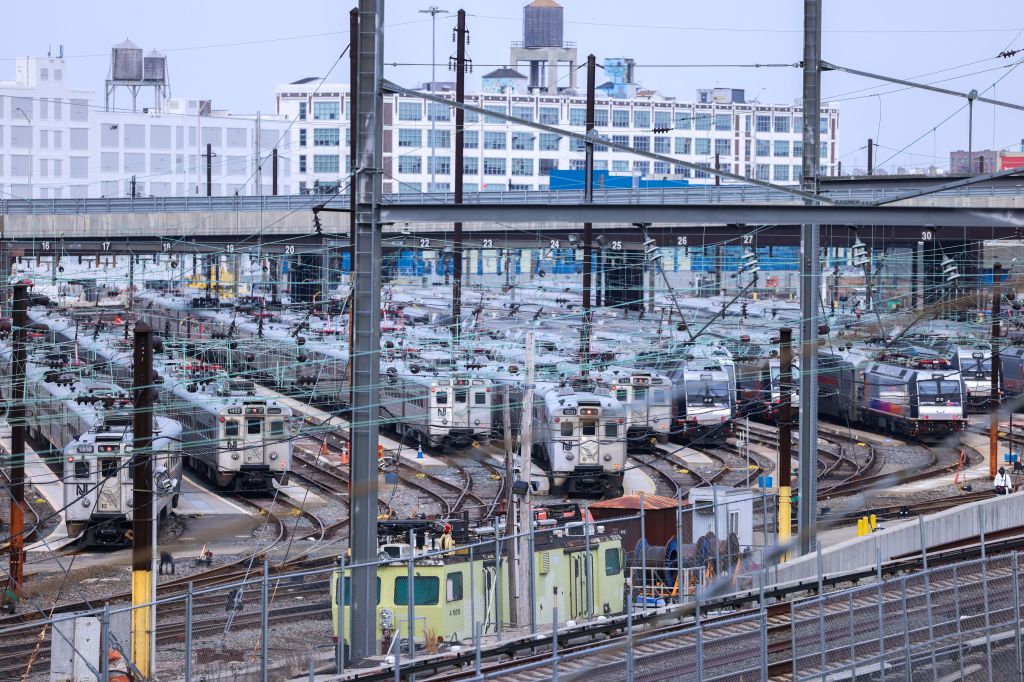
Mamdani’s push to develop Sunnyside Yard is the boldest plan for Queens in a generation — a chance to deck over 180 acres of rail tracks and build housing, parks, and economic opportunity at scale. Gov. Hochul is on board. Even President Trump has signaled interest. But ambition costs money, and in a city straining to close a yawning fiscal gap, the question isn’t whether Sunnyside is a good idea — it’s how to pay for it.
The answer may already be sitting in plain sight on Manhattan’s West Side.
Twenty years ago, City Hall created the Hudson Yards Infrastructure Corp. — HYIC — to collect payments in lieu of taxes from new buildings rising over what had been an industrial wasteland. HYIC issued bonds against that revenue, extended the No. 7 line, and built Hudson Park and Boulevard. The model worked so well that HYIC now generates far more cash than it needs.
Last fiscal year, HYIC turned over $395 million in excess revenue to the city’s general fund. That number has been climbing as towers come online, leases reset at higher rents, and the original construction bonds are paid down. The trajectory continues for years.
If the city dedicated even the current level of HYIC excess payments to back a new bond issue for Sunnyside, it could raise more than $4 billion in upfront capital — enough to build a structural deck, lay streets, install sewers and utilities, and shape the green spaces any successful neighborhood requires.
This isn’t a tax hike. It isn’t a raid on schools or sanitation. It is taking a windfall already coming in the door, generated by Manhattan’s Far West Side, and reinvesting it across the East River where the next chapter of New York’s growth needs to happen.
The mechanics are straightforward: stand up a Sunnyside infrastructure corporation on the HYIC model with a dedicated revenue stream. Bond markets, hungry for tax-exempt municipal paper backed by a proven income source, would line up. And once developers see that scale of public investment, private capital follows — just as it has at Hudson Yards.
A word, then, on the project that started this conversation. The notion that Related is a rapacious developer being handed a giveaway ignores the history. In 2009, after the Jets stadium had collapsed and Tishman Speyer’s bid had died with the financial crisis, Related stepped in within days to take the same terms and build the deck no one else would touch. The Phase 2 financing is backed by the project’s own future revenue. Killing it wouldn’t generate a penny for affordable housing anywhere else.
For decades, Queens has been told to wait its turn while Manhattan got the megaprojects, the federal grants, and the shiny infrastructure. Now there’s a chance to flip the script — using money the borough’s wealthier neighbor has already generated.
The Sunnyside Yard deck won’t build itself. Neither will the affordable housing our city is desperate for. The Hudson Yards area is throwing off cash. Mamdani has a chance to take that windfall and bet it on Queens. He should.
Peyser is a transportation consultant who served on the staffs of Mayor Ed Koch and two members of Congress from Queens.