
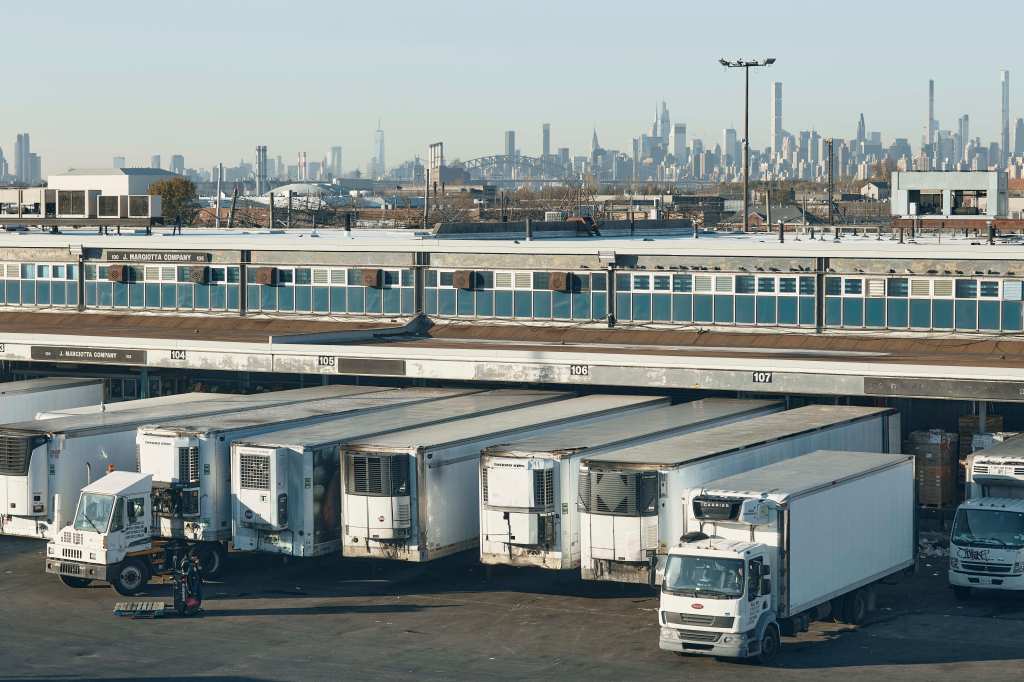
From trucks crisscrossing the Bronx to freight trains moving through the Hudson Valley, New York is a cornerstone of the American supply chain. But that backbone is under attack from a crime that has evolved into a sophisticated, organized enterprise: cargo theft.
Today’s cargo thieves don’t act alone, and they don’t act small. They operate like businesses, targeting everything from electronics and medicine to the food that stocks grocery shelves. With its dense transportation network and proximity to major ports, New York has become a prime target. And too often, these criminals stay one step ahead of law enforcement.
The numbers are staggering. Cargo theft drains an estimated $18 million every single day from the trucking industry. Major U.S. railroads reported more than 75,000 thefts worth more than $200 million in 2025, a 50% year-over-year spike. That’s not just an industry problem. It’s a direct hit to New Yorkers’ wallets.
When cargo is stolen, prices go up. Period. And at a time when families are already feeling squeezed, organized theft is quietly making everyday goods even less affordable.
These aren’t smash-and-grab jobs. They’re calculated, high-tech operations. Federal prosecutors recently charged a Deer Park, L.I. man for running a multi-state “phantom carrier” scheme, where hackers used fictious emails to pose as legitimate trucking companies to hijack hundreds of thousands of dollars of good mid-transit. The haul: 33,000 pounds of frozen snow crab, dozens of pallets of blueberries, and $400,000 worth of designer cologne — gone without a trace.
Just last month, thieves made off with 60,000 pounds of walnuts from trailers in the Bronx’s Hunts Point distribution hub, likely to resell right back into the market. And in December, a Bronx-based crime ringleader was convicted of orchestrating dozens of beer heists across rail yards and warehouses across the region — again, feeding an illicit resale pipeline.
This is organized crime. And it’s growing because the system isn’t keeping up.
Congress can change that. And New York Congressmen Jerry Nadler and Andrew Garbarino can help lead the charge.
The Combating Organized Retail Crime Act (CORCA) would give law enforcement the tools it needs to catch up: stronger coordination, better data sharing, and real consequences for the criminals running these schemes. As it currently stands, law enforcement is being asked to take on an ever-evolving, increasingly tech-savvy transnational criminal network with 20th century tools. With lax (and rare, if any) penalties, criminals have no reason to stop.
That’s why CORCA is a practical, bipartisan solution to a national problem hitting New York especially hard.
Nadler and Garbarino have an opportunity to help move CORCA across the finish line and send a clear message: New York will not be an easy target for organized theft. Because without action, the costs will keep climbing. And New Yorkers will keep paying.
The trucking and rail industries are doing their part, investing heavily in security and technology. But we can’t fight a national, organized crime wave with a patchwork response.
Congress must pass CORCA. And New York’s leaders should help lead the charge.
Spear is president and CEO of the American Trucking Associations. Jefferies is president and CEO of the Association of American Railroads.