
NYS Capital — Prediction markets have taken on a new level of exposure, and scrutiny, in recent weeks, especially in New York State.
This week, a U.S. Army soldier, Ken Van Dyke, pleaded not guilty to using confidential government information for personal gain. He’s accused of using classified information to bet…on Polymarket, on the removal of Venezuelan President Nicolas Maduro. He’s alleged to make more than $400,000 in the transaction.
New York Governor Kathy Hochul issued an Executive Order, prohibiting State employees from insider trading on prediction markets.
“Getting rich by betting on inside information is corruption, plain and simple,” Governor Hochul said in a release. “Our actions will ensure that public servants work for the people they represent, not their own personal enrichment. While Donald Trump and DC Republicans turn a blind eye to the ethical Wild West they’ve created, New York is stepping up to lead by example and stamp out insider trading.”
Meanwhile, states like New York are also working to regulate the prediction market industry. New York is trying to apply the State’s gambling laws to prediction markets. In response, the Commodity Futures Trading Commission filed a lawsuit to stop the State from doing so.
“CFTC-registered exchanges have faced an onslaught of state lawsuits seeking to limit Americans’ access to event contracts and undermine the CFTC’s sole regulatory jurisdiction over prediction markets. New York is the latest state to ignore federal law and decades of precedent by seeking to enforce state gambling laws against CFTC-registered exchanges,” said Chairman Michael S. Selig in a statement. “As I’ve said before, the CFTC will not allow overzealous state governments to undermine the agency’s longstanding authority over these markets.”
State lawmakers though, are still proposing legislation to create more regulation around this type of wagering.
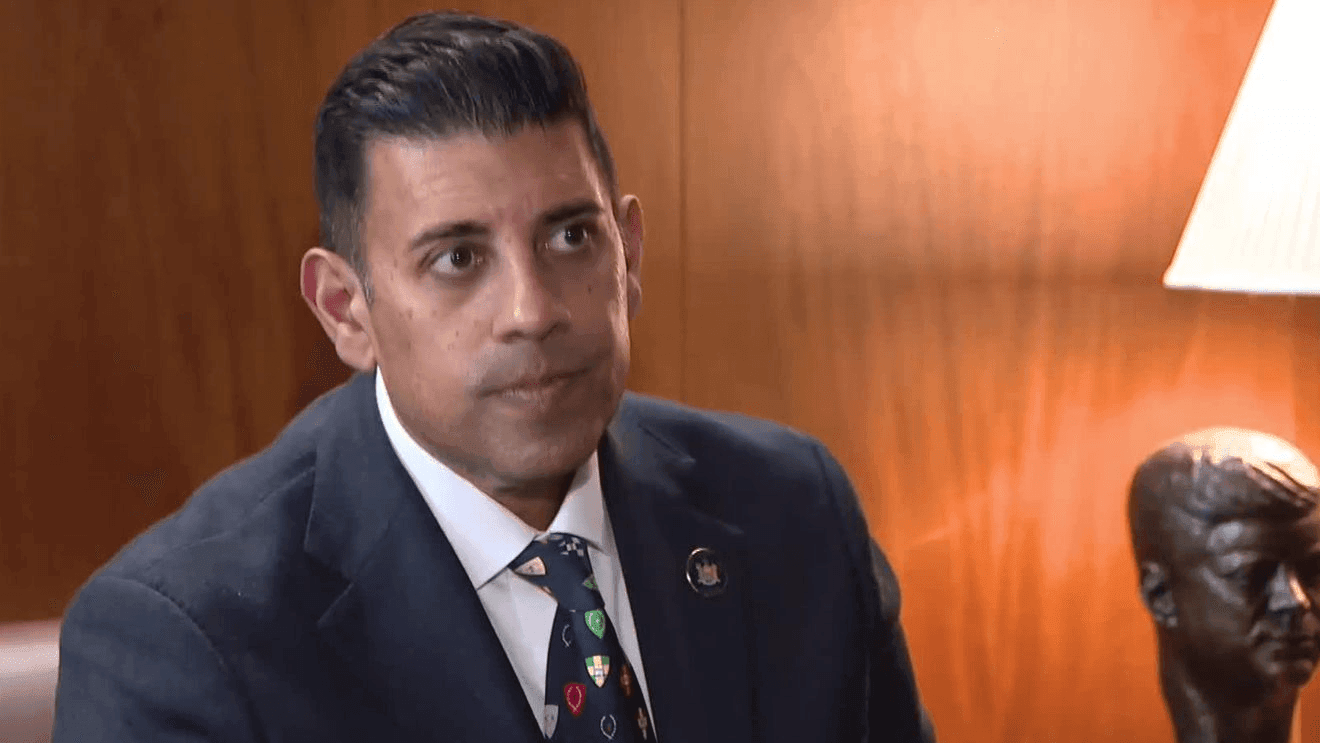
NYS Senator Jeremy Cooney (D-Rochester), appeared on Power & Politics discussing his legislation, which would: “Establish a regulatory framework requiring operators of prediction markets to obtain a license from the Department of Financial Services, implement consumer protections, maintain financial integrity standards, and submit to DFS supervision.”
“My legislation would go to the Department of Financial Services and say, ‘you come up with the framework that makes sense, you have the expertise, you know how to regulate entities’, and it would require companies, like a Kalshi, like a Polymarket, to apply for a license from New York and be subject to the New York regulations that protect consumers, just like we do for a car insurance company,” Cooney told CBS6.
Stay tuned for the full conversation, available via podcast on Friday at 5AM:
The full interview on Youtube will be available soon.