
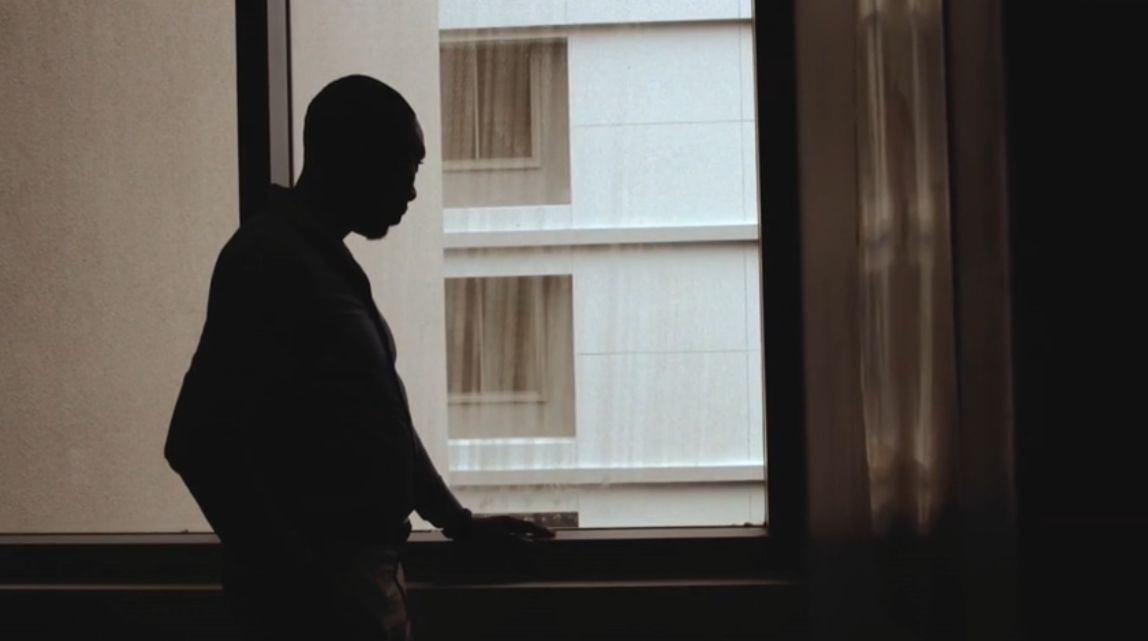
Kevin Atlanta was homeless until this summer. NY1 met him at a shelter in Queens — a facility run by the nonprofit group Bowery Residents’ Committee (BRC) similar to where he had stayed — a place that caters to the chronically homeless.
“I had been homeless longer than I should have been, but to nobody’s fault but my own, around three or four years,” he said.
What You Need To Know
The city’s mental health crisis has dogged the current administration
Candidates for mayor differ on how they would act to solve it
They are pitching supportive housing, outreach teams and new agencies
Atlanta stayed on the streets, struggling with mental illness and substance use.
“I been self-medicating a lot when I was out on the street,” he said. “It was hard to live in Manhattan and accept the looks that you get if you have the same outfit on two or three days.”
But now he is one of thousands of New Yorkers with a roof over his head in a permanent supportive housing unit.
The homelessness and mental health crisis in the five boroughs will be one of the toughest challenges facing the next mayor — and solutions do not come easy, take it from the leaders of BRC.
“Understand that every case is going to be unique, every client is going to be unique,” said Kiahni Hughes, who runs one of BRC’s stabilization shelters in Manhattan. “And those are the things we pay close attention to.”
Each candidate has a different plan for how he would approach this population.
Andrew Cuomo released a 36-page mental health plan earlier this year, committing to build 600 units of supportive housing per year for those with serious mental illness.
He says he will centralize engagement with people living on the street through a new street population management unit, and focus on low-barrier housing options like the BRC shelter.
Leaders at BRC say the need is there.
“Right now we are don’t know, from one administration to the next, we don’t know what policies or procedures will be implemented,” said Alvin Thompson, who also runs a stabilization shelter at BRC. “But we do know there is a housing crisis and that there will be people in need.”
Zohran Mamdani’s mental health plan is focused on the creation of a new agency: the Department of Community Safety.
Mamdani wants to get the NYPD out of mental health care and crisis responses. That includes sending more mental health teams to 911 calls instead of cops.
He also wants to use vacant commercial space in subway stations to provide medical care and support services for those experiencing homelessness on the subway.
For Republican Curtis Sliwa, cops are integral to the city’s mental health response.
He wants to bring back the NYPD’s homeless outreach unit, which was disbanded in 2021.
He says he has the experience of dealing with homelessness in the subways. He wants safer shelters, to expand mental health response teams in the subway and to transfer those who are dangerous to psychiatric facilities.
He has suggested bringing back single room occupancy hotels, with therapists and security.
For those experiencing these challenges, like Atlanta, they hope more change is coming.
“I hope they realize that the people that are living on the street are living on the street because they are afraid to live in a shelter cause of the conditions that are there,” Atlanta said.