
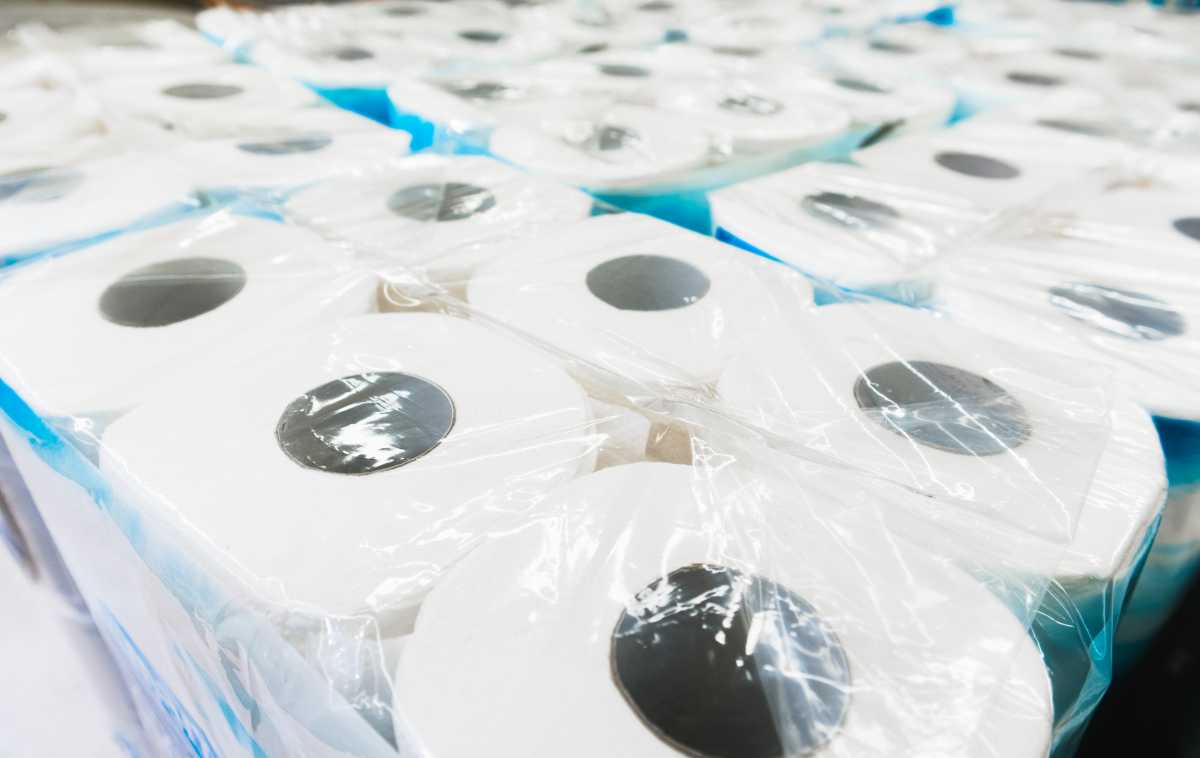
If activists get their way, New York lawmakers could soon enact legislation that will lead to toilet paper, diapers, paper towels, and other household essentials being soaked and dirty before we even have a chance to use them — and we’ll pay more for the “privilege.”
It may sound exaggerated, but for retailers responsible for delivering everyday necessities to New Yorkers safely, reliably, and affordably, the risks are real—and so are the costs. Lawmakers should put a halt to the so-called Packaging Reduction and Recycling Infrastructure Act (S1464/A1749), which will inevitably ban the lightweight plastic flexible packaging and film that protects these products as they make their way from the manufacturer into your home.
New Yorkers are already grappling with some of the highest costs of living in the nation, and affordability was the top-ranked issue among New York voters in a recent poll. The last thing families need is a new law that will drive up the price of basic necessities like toilet paper and diapers.
The inevitable ban on plastic flexible packaging and film, caused by the infeasible requirements in this bill will force us to adopt packaging substitutes that will cost an estimated 10% to 15% more. Retail operates on thin margins, which means those higher packaging costs would inevitably show up as higher prices at the register.
And the costs will not stop there.
Bulkier packaging will also increase transportation and storage costs. Fewer units will fit on each shipping pallet, meaning more trucks will be needed to deliver the same amount of merchandise. Warehouses and store backrooms will be forced to devote more space to the same inventory. All of those added expenses compound, ultimately raising prices for consumers.
For working families, even small increases on recurring purchases add up quickly. In fact, an independent analysis by researchers at York University found that the proposed legislation will increase grocery costs for the average family of four by as much as $732 per year.
The reality is that the lightweight plastic flexible packaging and film targeted by the proposed legislation plays an important role in protecting paper-based products from moisture, contamination, and damage during shipping and storage—even when customers carry them home in the rain. Without it, products like toilet paper, diapers, and paper towels are vulnerable to water damage, dirt, wear-and-tear, and all the hands that touch them along the way—long before they reach store shelves, let alone a family’s pantry.
There is currently no viable replacement that provides the same level of protection without using plastic or a similar protective barrier. Alternatives using other materials rip easily, especially in high-volume distribution systems, making them harder to handle and increasing the risk of damaged or unsellable products. That means more waste and less supply available to customers.
Plus, flexible plastic film is recyclable at store drop-off. Our retailers share the goal of reducing waste and strengthening recycling and will gladly accept that packaging. But banning a material without a workable alternative does not guarantee environmental progress. Worse, it could have the opposite effect, creating unintended consequences.
Lightweight plastic flexible packaging and film is significantly lighter than substitutes, reducing fuel use and carbon emissions in transportation. It also requires less energy and water to manufacture and produces less material by weight. One study co-authored by Michigan State University scientists found that plastic packaging can deliver approximately 70% lower global warming potential compared with a mix of other commonly used packaging materials in the U.S.
In other words, replacing lightweight plastic flexible packaging and film with heavier, bulkier materials will increase emissions, increase waste— and raise costs for consumers.
Fortunately, lawmakers have a better path forward.
The Affordable Waste Reduction Act (A06191/S05062), also introduced in the New York State legislature, would invest in modernizing New York’s recycling infrastructure rather than banning packaging materials outright. The program would be funded by packaging producers and would reduce the flow of waste to landfills across the state. Its approach strengthens recycling systems without destabilizing supply chains.
The Flexible Packaging Association and its partners across New York stand ready to support meaningful environmental reform and will continue to play our role in providing a venue for recycling plastic film. But reform must protect affordability, preserve product safety and integrity, and reflect the real-world challenges of delivering essential goods to millions of consumers in a way that’s affordable.
New Yorkers should not have to pay more for the basics – or worry whether those products will arrive clean, intact, and ready to use.
Legislators in Albany should reject the Packaging Reduction and Recycling Infrastructure Act and instead advance the Affordable Waste Reduction Act, a balanced solution that delivers real recycling improvements without putting affordability or product availability at risk.
Dan Felton is president and CEO of the Flexible Packaging Association.