
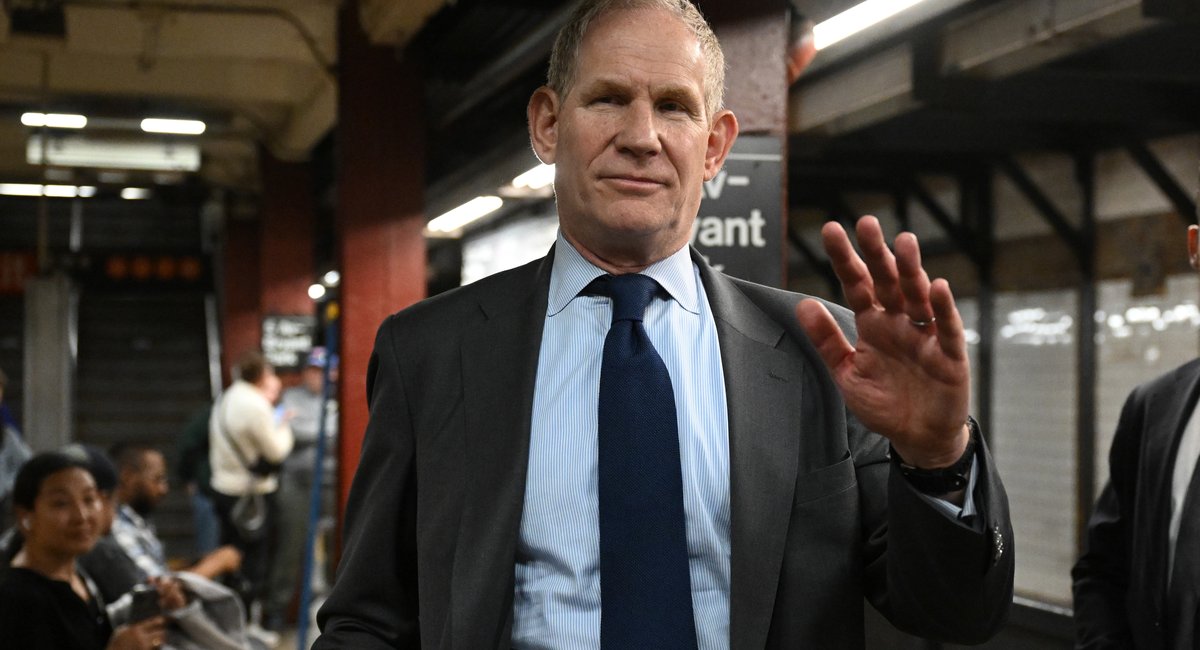
With just six days to go before the mayoral election, the head of the MTA dumped cold water on Democratic nominee and front-runner Zohran Mamdani’s signature campaign promise to eliminate fares on all of New York City’s buses.
Mamdani has estimated it would cost the city upwards of $630 million a year to replace the money the MTA would lose by nixing bus fares. But Lieber on Wednesday said the price tag would be far higher, especially if the gratis rides increase demand for buses.
“If a lot more people are riding the bus, are we going to need more buses? Are we going to need more bus drivers? Will we need extra depots?” MTA Chair Lieber said on NY1 Wednesday morning. “I want to make sure that people of limited income get priority in this discussion, that we’re not just giving a ton of money to people who are riding the M104 on the Upper West Side where I grew up.”
Following an MTA board meeting Wednesday, Lieber told reporters the actual price to replace bus fares would increase to $1 billion in the coming years, assuming the agency cracks down on fare evasion. The agency’s latest data shows 50% of Select Bus Service riders and 44% of local bus riders didn’t pay the fare during the third quarter of 2025.
Mamdani’s campaign did not respond to requests for comment on Lieber’s remarks.
Lieber’s comments came as the mayoral race between Mamdani and former Gov. Andrew Cuomo is tightening. Lieber has political allegiances to both candidates.
The MTA chair reports to Gov. Kathy Hochul, who endorsed Mamdani in the general election. But Cuomo first hired Lieber to the MTA during his time as governor.
Lieber dismissed the notion he was putting his thumb on the political scales, saying “ we’re not involved in the election campaign and we don’t take a position.”
While Lieber has for months supported Mamdani’s enthusiasm to boost mass transit funding, he’s repeatedly dismissed the idea of making buses free.
Last year, he publicly criticized a pilot program created through legislation Mamdani sponsored as an assemblymember, which temporarily made one bus route free in each borough. When the pilot expired last year, Mamdani blamed the MTA.
“Thanks in part to the MTA’s opposition, that was not a proposal that was taken up in the final agreement,” Mamdani said at the time. “When you see fare evasion at levels of 48%, that speaks to an economic issue where working-class New Yorkers are being priced out of public transit. And at the core of it must be a solution that addresses the economic cause.”
Lieber on Wednesday said making the city’s buses free would require more than just money. He said the fares would require years of review — and even approval from the MTA’s bond holders, who loan the agency money for major construction projects and are partly repaid by transit fares.
Ramsey Khalifeh contributed reporting to this story.