
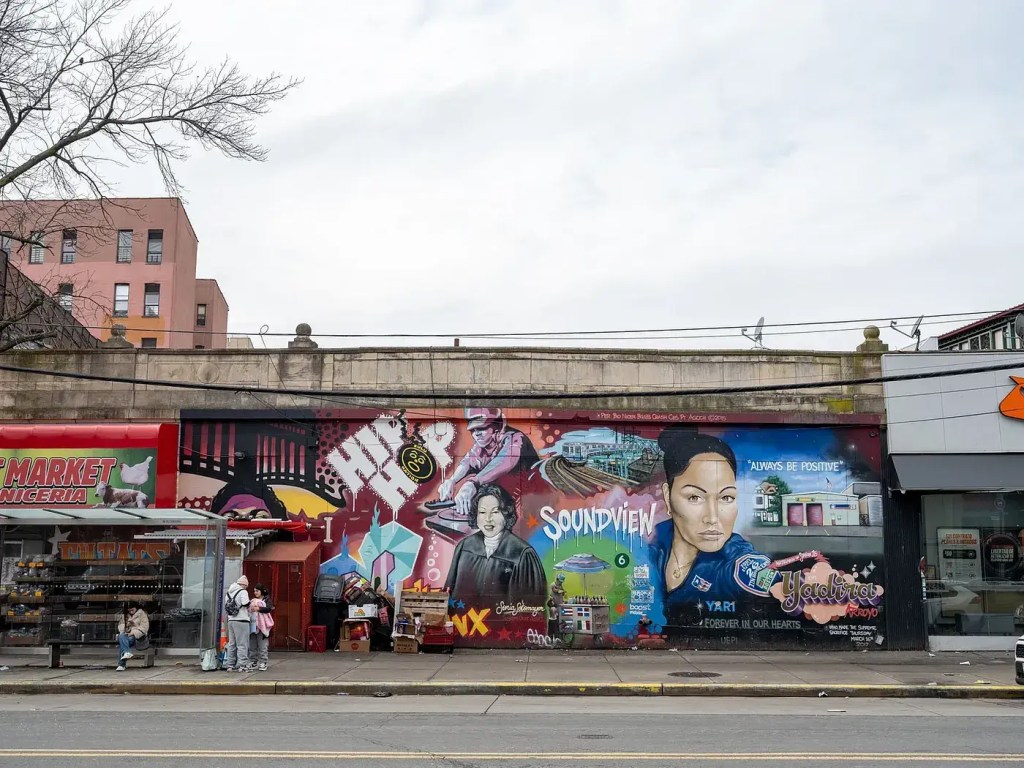
Karen Rodríguez sat in her empty shop with rollers on in Soundview, waiting for customers on a quiet Friday afternoon. She opened Mirra Aloes Hair Salon three years ago in the Bronx after selling a family property back home in the Dominican Republic.
On Staten Island, Fatima Balogun, owner of Abey African and Mediterranean Restaurant, was preparing to welcome customers, the aroma of freshly made fufu drifting from the kitchen. Yet by 2 p.m., the dining area remained mostly vacant.
Small businesses account for about 98% of the businesses in New York. Their survival is a central concern in policymaking. As Mayor Mamdani put in a January press release, “you cannot tell the story of New York without our small businesses. Yet, our city has long made it too hard for these same businesses to open their doors, and to keep them open.” Mamdani is right about the problem, but his proposed solutions are pulling in opposite directions, and small business owners are caught in the middle.
His administration has proposed leniency on fines and fees, easing rent pressures, and lowering barriers to new business registrations. In January, he signed Executive Order 11, ordering agencies to reduce nonessential fines and penalties. But sitting alongside these is the “30 by 30” initiative, which proposes raising the minimum wage to $30 by 2030 — a policy that threatens to undo much of the relief promised.
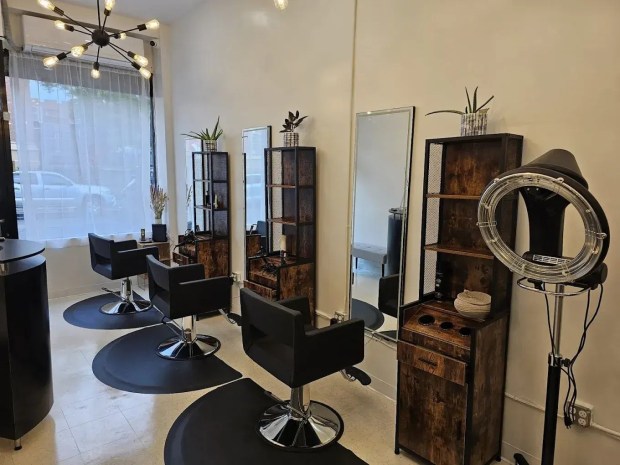 Karen Rodríguez opened Mirra Aloes Hair Salon three years ago in the Bronx after selling a family property back home in the Dominican Republic. (Photos courtesy of Jimena Elmufdi and Su Jin Seo)
For Rodríguez, the regulatory red tape was never the obstacle — an accountant handled the permits; the wait was a few weeks. “Back home, opening a business is too easy,” she said. “A certain degree of restrictions isn’t bad in order to maintain a level of quality and safety.”
Her experience points to a flaw in Mamdani’s framing: the bureaucratic burden he’s targeting may matter more to new entrants than to established owners absorbing daily cost pressures. Kauser Miah, owner of K&H Quick Mart in the Bronx, agrees supporting small enterprises is worthwhile but his concern is rent, wages, and pricing, not administrative hurdles. The wage proposal would push him to run his business alone.
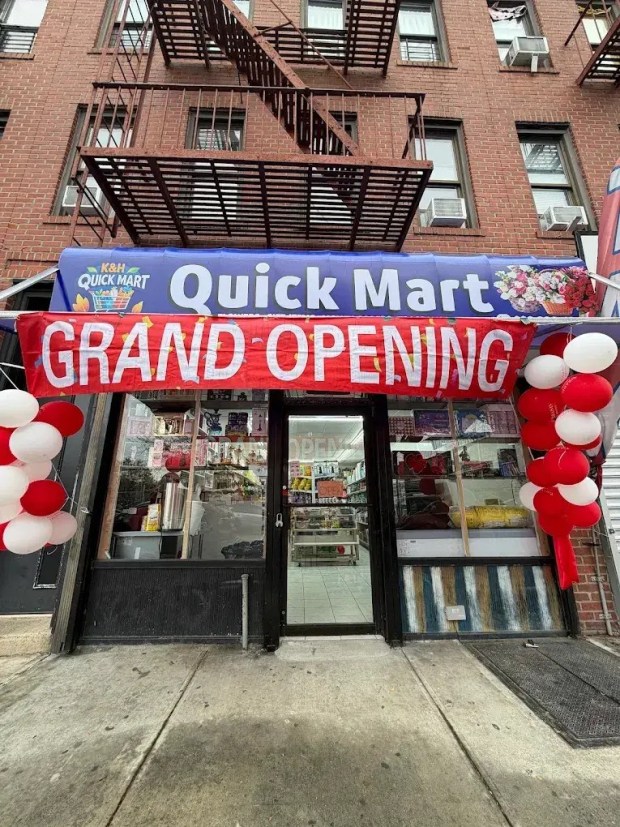 Kauser Miah, owner of K&H Quick Mart in the Bronx, agrees supporting small enterprises is worthwhile but his concern is rent, wages, and pricing, not administrative hurdles. The wage proposal would push him to run his business alone. (Photos courtesy of Jimena Elmufdi and Su Jin Seo)
Jessica Walker, president of the Manhattan Chamber of Commerce, puts the contradiction plainly: the wage plan “is very concerning, because small businesses are already facing such cost pressures.”
Small business owners are absorbing rising costs across the board — raw materials, tariffs, energy, labor, insurance. Consumer prices in New York rose 0.8% in March and 4% year-over-year. “Everything is expensive,” Balogun said, adding that costs weren’t nearly as high when she moved to New York 12 years ago. Rent is her biggest burden: “The mayor cannot stop the owner of the building…except if they turn it into law.”
Manhattan’s vacancy rate sits at 13.74%. “For two straight quarters, we saw more businesses closing than opening,” Walker said. “Costs are way up across the board.”
Mamdani’s small business agenda is not without merit. But a mayor cannot credibly position himself as the champion of small businesses while simultaneously advancing a wage policy that owners say would force them to stop hiring.
“We’re 100 days in and that’s not a huge shift just yet,” Walker said — a generous read of an administration that has moved quickly on rhetoric and unevenly on policy. But goodwill runs thin when relief on one front is quietly swallowed by pressure on another.
Elmufdi and Seo are students in the opinion writing seminar at Columbia University Graduate School of Journalism. This op-ed and four others that the Daily News is publishing were written as part of an assignment about what Zohran Mamdani’s political vision actually looks like on the ground.