
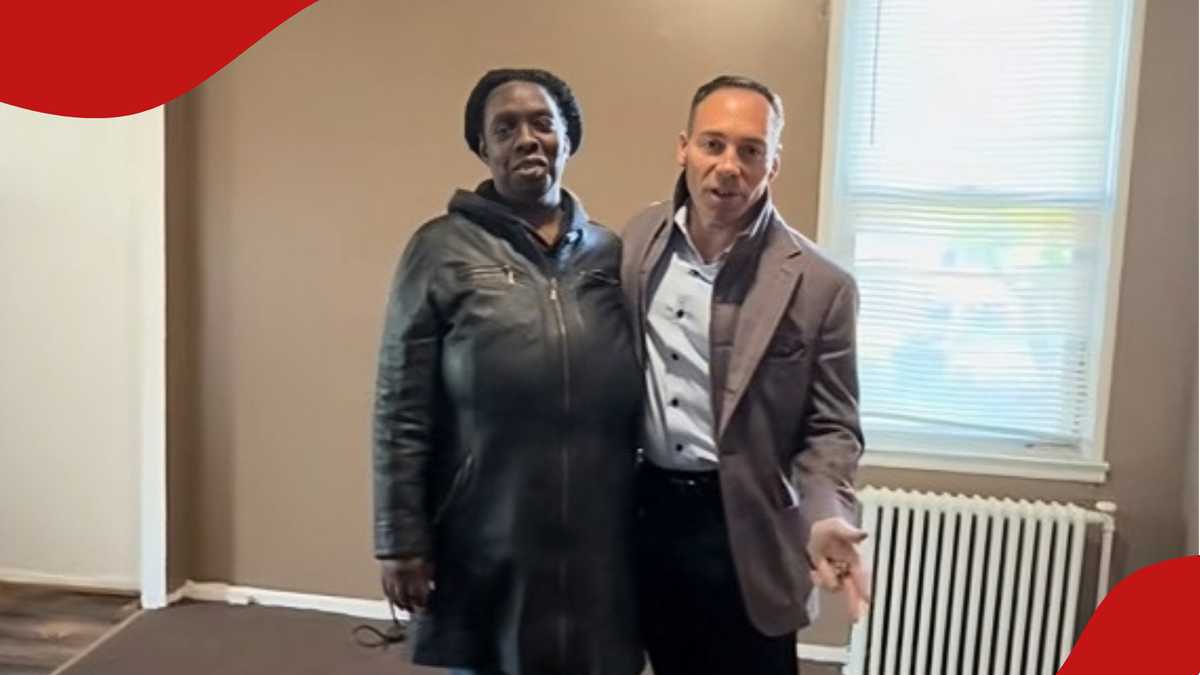
A seemingly mundane real estate transaction in Staten Island has unexpectedly captivated millions globally, transforming a simple apartment tour into a profound commentary on the fragile dynamics of the modern rental market.
As a middle-aged tenant named Colette prepared to relocate to Brooklyn after a decade-long residency, her landlord filmed the immaculate condition of the vacated property. The resulting footage has struck a deep cultural nerve, highlighting a rare moment of mutual respect in an industry typically defined by adversarial disputes, withheld security deposits, and staggering property damage.
A Tour of Unprecedented Cleanliness
The viral video serves as a masterclass in tenant responsibility. Walking through the empty rooms, the visibly emotional landlord documented pristine conditions that defy conventional wear and tear. From spotless kitchen cabinets to an unstained refrigerator compartment, the apartment appeared virtually untouched by ten years of continuous habitation.
The visual evidence presented a stark contrast to the horror stories that frequently dominate real estate forums. There were no damaged walls requiring extensive patching, no neglected appliances harboring years of grime, and no mysterious odors lingering in the carpets. The bathroom, often a battleground of mold and neglect in long-term rentals, gleamed under the overhead lights.
Industry veterans note that the standard life cycle of a rental unit usually dictates a complete cosmetic overhaul after a decade of occupancy. Typically, landlords expect to undertake comprehensive repainting, flooring replacement, and significant appliance repairs. Colette’s meticulous upkeep effectively eliminated these massive capital expenditures, saving the property owner thousands of dollars in routine refurbishment costs and allowing the unit to return to the market almost immediately.
The Emotional Toll of Tenant Turnover
For the property owner, the departure represented far more than a simple loss of monthly revenue. In the footage, he can be heard jokingly pleading with Colette not to leave, expressing a genuine sense of loss. Finding a tenant who treats a rented space with the reverence of a homeowner is a statistical anomaly in densely populated urban centers like New York City.
Real estate analysts suggest that the emotional weight of the video stems from the inherent risks of property management. Every vacancy introduces the terrifying potential of nightmare tenants who might default on rent, disturb neighbors, or inflict catastrophic damage. Colette’s decade of quiet reliability and meticulous care provided the landlord with ten years of unprecedented peace of mind—a commodity that cannot be accurately priced into a monthly lease.
The Global Rental Crisis and Mutual RespectUrban rental markets worldwide are experiencing unprecedented strain, characterized by skyrocketing costs and diminishing property standards.In major hubs from New York to Nairobi, the relationship between property owners and renters is often strictly transactional and deeply antagonistic.The concept of “leaving with pride,” as demonstrated by Colette, challenges the growing cultural narrative that tenants owe nothing to the properties they inhabit.Landlords frequently cite the fear of catastrophic property damage as a primary justification for exorbitant security deposits and rigorous background checks.A Masterclass in Human Decency
The viral response to the Staten Island video underscores a collective global yearning for positive human interactions within the housing sector. Thousands of online commentators expressed shock at the pristine condition of the apartment, while others praised the landlord for publicly acknowledging and validating his tenant’s exceptional behavior.
Sociologists studying housing dynamics argue that this mutual respect is the foundation of sustainable urban living. When tenants treat properties with dignity, it logically reduces maintenance overheads for owners, theoretically stabilizing rental prices. Conversely, when landlords recognize and appreciate good tenants, it fosters long-term stability and reduces the chaotic turnover that plagues major metropolitan housing markets.
As Colette embarks on her new chapter in Brooklyn, she leaves behind more than a spotless apartment in Staten Island. She has inadvertently established a gold standard for tenant etiquette, proving that the often-fraught relationship between those who own property and those who rent it can be defined by profound mutual respect. The viral legacy of her pristine kitchen cabinets serves as a powerful reminder that simple human decency remains a highly valued currency in the modern world.