
The New York state Senate is pushing a series of consumer protection bills this week that aim to prohibit bad business practices like surveillance pricing, crack down on junk fees and make it easier to cancel subscriptions.
One piece of legislation would eliminate hidden junk fees by requiring sellers to display the total price of a good or service, inclusive of all mandatory fees.
“When you go to buy a product, typically online, it gives you a price. By the time you get to a checkout, the price is significantly higher because all these unannounced fees are included,” state Senate Deputy Majority Leader Mike Gianaris said at a press conference Tuesday in Albany. “So this bill would tackle that in significant ways.”
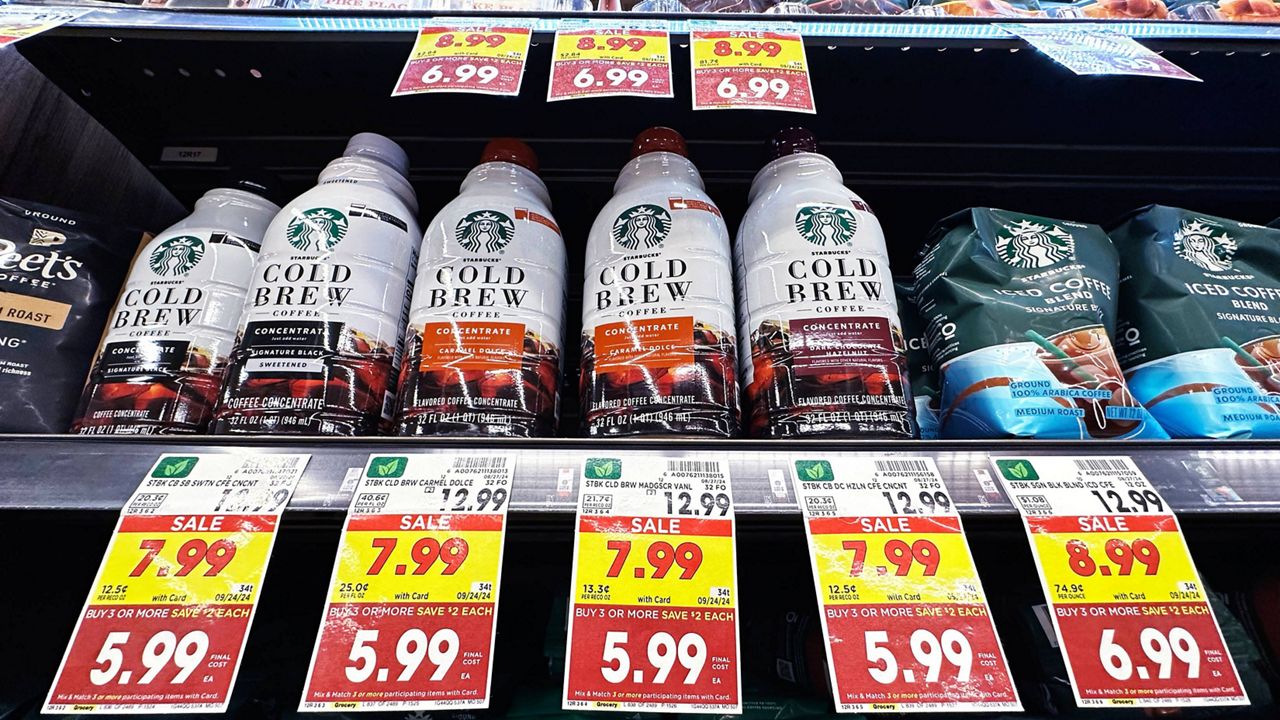
Gianaris, a Democrat from Queens, also pushed his bill to tackle surveillance pricing, an issue state Attorney General Letitia James has also highlighted recently. Gianaris described the issue while using a reporter in the room buying a box of cereal as an example.
“There’s a digital price tag on the shelf. It scans his face, instantly downloads his data, knows what he might be willing to pay for that box, how often he buys it, how much he’s making potentially in income and then the price is set specifically to him,” Gianaris said. “That is happening. It sounds like science fiction, but that is happening right now.”
State Sen. Rachel May, who chairs the Senate Consumer Protection Committee, is advocating a bill that would cap refueling charges on rental vehicles, using a personal example where she recently was offered a $90 charge for not refueling a vehicle herself. She chose instead to refuel it herself, which topping off the tank only cost about $20.
“Our bill says they can charge a premium. They can add 25% on to the fair market value of the gas. But they can’t multiply it by four in the way they were doing there,” May said.
Another bill from May deals with the deletion of consumer financial information.
“If you have an automatic renewal setup for subscription or membership and you cancel that membership, if you’ve ever tried this and then you’ve been in contact with that same company a year or two years or three years later and they will say ‘should we use your credit card that’s on file?’ We don’t think those credit cards should be on file,” she said.
Similarly, legislation from state Sen. Andrew Gounardes would crack down on companies’ measures that make it difficult to cancel subscriptions, which can make consumers give up trying, which he says is what companies want.
“It should be as seamless as it is to sign up for those services to unsubscribe from those services when you no longer want to participate in buying that product or using that service,” Gounardes said. “But many of these apps, many of these online platforms make you jump through hoops and hurdles and up and down rivers and canyons just to unsubscribe from the most basic things.”
Also on the electronic front, a bill from state Sen. Chris Ryan would prohibit companies from using device-specific information to manipulate pricing without a consumer’s knowledge. He said algorithms can tell that one person might have the ability or need to pay more for a product than someone else, so two people shopping at the same time “would be shown two different prices.”
Also regarding groceries, state Sen. Cordell Cleare’s Grocery Pricing Fairness Act would prohibit suppliers from engaging in unfair pricing discrimination against independent retailers and require the same deals on price and delivery terms as the deals demanded by big box retailers.
“We cannot allow large corporations to dictate prices in the marketplace, setting terms only to their benefit and forcing smaller grocers to play inflated prices, which then leads to our families paying a premium for simple food staples they need from the store,” Cleare said.
Lastly, state Sen. Nathalia Fernandez has a bill that would address so-called “pharmaceutical pay-for-delay agreements.”
“These agreements can allow drug manufacturers to benefit while consumers are left paying higher prices and waiting longer for low-cost generic medications to enter the market,” Fernandez said.
Fernandez’s bill would require prescription drug manufacturers to notify the state attorney general’s office when they enter into certain patent settlement agreements that delay the introduction of generic drugs.