
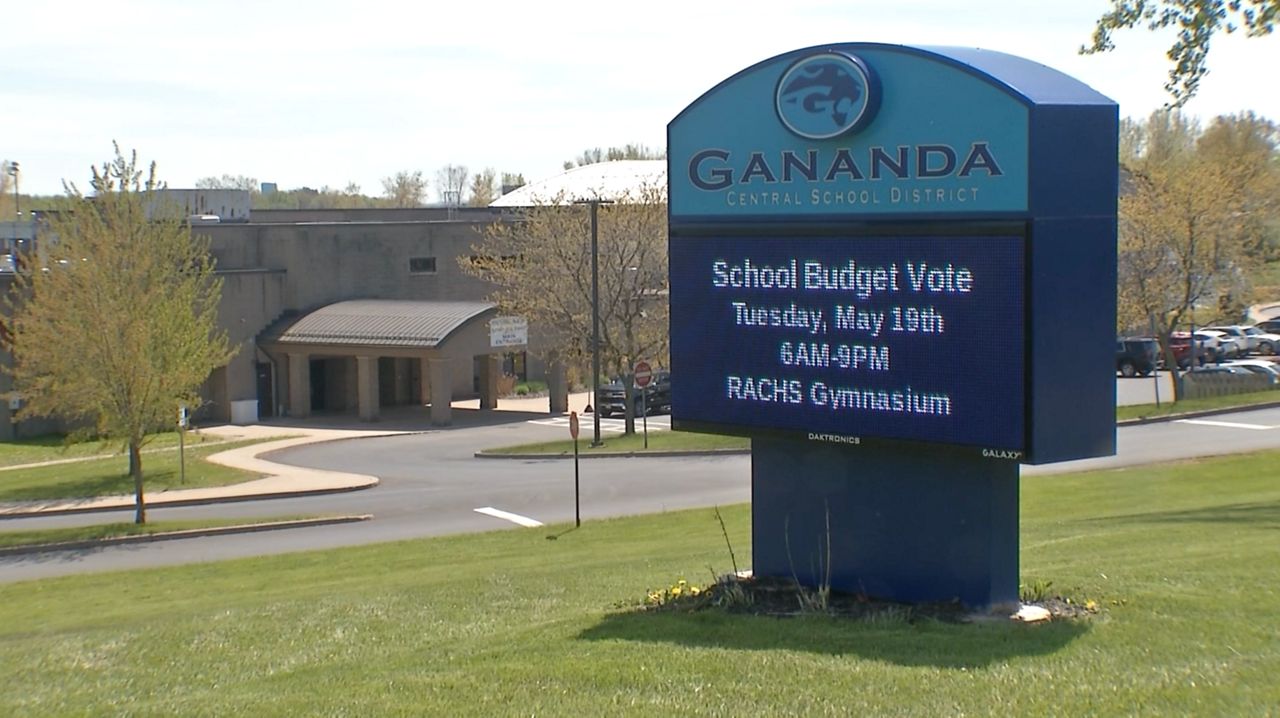
Every spring, school districts across New York put their budgets to a vote, but the work to get there begins months before residents ever step into a polling place.
For superintendents, like Shawn Van Scoy of the Gananda Central School District, budget season is a months-long balancing act between student needs and what taxpayers can afford.
“The budget process is simply a balancing act between student needs and taxpayer impact,” Van Scoy said.
Van Scoy said the process typically begins in November, when district leaders start assessing rollover costs, health insurance and potential program changes through conversations with staff and administrators.
More than 60% of a district’s costs are tied to personnel — salaries, health insurance and retirement contributions — making people the single largest budget driver. As those costs rise, districts find themselves squeezed from two directions: limited state aid and a tax cap that leaves little room to maneuver.
David Albert of the New York State School Boards Association said state aid plays a critical role in whether a budget succeeds or fails.
“The more state aid a school district gets, the more they can put that aid toward programs and services that benefit students without having to raise the money locally through property taxes,” Albert said.
Last year, all that work wasn’t enough for Van Scoy. Gananda’s budget was rejected on the first vote, in part over concerns about a nearly 4.5% tax levy increase, sending the district back to the drawing board.
“The budget going down was not a referendum that we had done something wrong,” Van Scoy said. “It was basically what our community was saying was that that increase was too much.”
Under state law, districts have just two chances to pass a budget. If both votes fail, the district must adopt a contingency budget with no tax levy increase, which can mean cutting programs and services — a reality that raises the stakes on every vote.
Van Scoy said transparency is key to avoiding that outcome.
“You want an informed voter,” he said. “You want people to be informed what’s going on, using information that’s factual.”
School budget votes across New York are scheduled for May 19.