
by Michelle Mullen
A Bronx food pantry is expanding its efforts through a hygiene and personal care drive, but organizers say the initiative is about more than collecting basic necessities.
In a borough where more than a third of residents are foreign-born, Montefiore’s Project Bravo in Fordham asks donors to contribute “culturally responsive” items that reflect the needs and backgrounds of the communities it serves.
The drive, launched in April, is collecting shampoo, soaps, hair products and other hygiene items for families visiting the pantry. Tynisha Malone, director of Prevention Programs and the Project Bravo Food Pantry, said the effort grew out of a recognition that many donation campaigns focus on generic necessities while overlooking the realities of different hair types, skin types and cultural grooming practices.
According to data from the NYU Furman Center, the Bronx has the city’s largest proportion of nonwhite residents, with 55 percent identifying as Hispanic and 29 percent as Black. The area Community Board 8 represents, which includes Riverdale, Fieldston, Kingsbridge, Marble Hill, Kingsbridge Heights and Spuyten Duyvil is 43.5 percent Hispanic and roughly 11 percent black.
Former Riverdale resident Sara Ghassemzadeh, an attending psychologist in Montefiore’s adult outpatient psychiatry clinic with Middle Eastern roots, first suggested the hygiene drive to Malone after noticing similar unmet needs among many of the patients she worked with, particularly with self-care and access to products suited for different hair and skin types.
Drawing from both her clinical work and years of bringing donated items to Project Bravo from friends and neighbors, Ghassemzadeh helped organize the drive and shape its focus on culturally responsive donations.
“There are so many different needs when people are living in poverty,” Ghassemzadeh said. “Project Bravo has contracts that provide food, but pretty much everything else relies solely on donations from the community. Toiletries are something that just accumulate in people’s houses, but they’re also such a major need.”
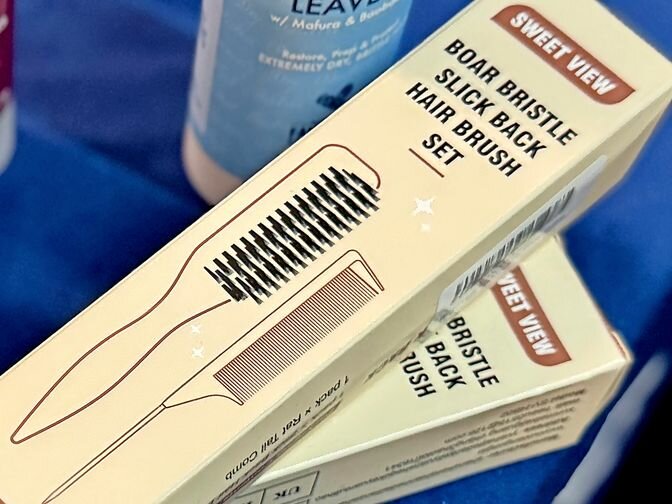
The hygiene drive Amazon wishlist, for example, included products such as an “International Women’s Multicultural 13-piece Travel Kit,” alongside culturally specific hair products, like bonnets and durags.
Among the donated brands was SheaMoisture, a company whose products are marketed toward curly and textured hair. On its website, the brand describes its products as helping create a “protective layer” for “kinky + curly hair” and states that it is committed to “bringing the solutions to our melanin-rich community.”
“I think hair and being able to take care of yourself physically are a huge part of dignity and identity, and I don’t think that often gets considered,” Ghassemzadeh said. “A lot of folks at shelters or hospitals will have basic hygiene products, but the cultural considerations of different hair textures and skin needs don’t really get factored in.”
In response to the call for donations, Spuyten Duyvil resident Shantel Watson, an esthetician and former salon owner, donated skincare products, hair accessories and beauty supplies geared toward skin of color and textured hair.
“Culturally responsive items recognize the unique needs of textured hair, melanated skin and cultural beauty practices,” Watson said. “Those are things that people don’t always think about, and they’re often more expensive too. You want people to be able to present their best selves and to feel good about themselves and have the things that they need.”
Watson said many products commonly viewed as luxuries are actually necessities for maintaining certain hair types or skin conditions. She pointed to items like satin bonnets and pillowcases, which help prevent dryness and breakage in textured hair but are often more expensive and less likely to appear in donation drives.
She also donated products formulated for sensitive skin, saying people often misunderstand the skincare needs of darker skin tones.
“The more melanated the skin is, actually the more sensitive it is,” Watson said. “A lot of the products you find will cause a breakout or are too harsh for skin of color.”
The hygiene drive is part of Project Bravo’s broader effort to make community members feel recognized rather than treated as interchangeable recipients of aid.
“We try to make the need for the clients — either food or hygiene items — something that they actually want to take,” Malone said. “Because I use Dove doesn’t mean you want to use Dove. Not everyone uses the same products.”
Items like Vicks VapoRub, she added, are used in some communities for everything from bug bites to inflammation rather than solely for congestion relief. It’s a reminder, she said, that even familiar household products can carry very different cultural uses and meanings.
The drive expanded rapidly through social media and word of mouth. Donations have ranged from unopened beauty products and travel-size toiletries to wigs, makeup and first-aid supplies. For Mother’s Day, Project Bravo packed and distributed purses and pocketbooks stuffed with some of those donations.
Ghassemzadeh said the response has shown how eager people are to contribute when they understand the need.
“I think on a systems level, folks don’t always have agency and choice,” she said. “You get what you get, and you have to be happy with what you got. People don’t always consider how those systemic pieces can further isolate people.”
Keywords
Bronx food pantry,
Project Bravo,
Montefiore,
culturally responsive donations,
hygiene drive,
Bronx community,
personal care products