
New York City took a tumble in the public parks rankings across the U.S., dropping down seven spaces in the Trust for Public Land’s 2026 Park Score Index released Wednesday.
The drop marked the most significant slippage in the outdoor advocacy organization’s annual rankings of the nation’s 100 largest cities’ public parks systems in a decade, when NYC fell from the fifth-best public parks in 2015 to the seventh-best in 2016.
Since then, it’s been in a steady decline in comparison to other large cities in the nation, with the city hovering somewhere near the top ten big cities’ public parks from around 2018.
But in 2026, the bottom fell out, and the city failed to impress in the rankings, falling to number 20 on the list in a stark contrast to its previous position of leadership.
Parks Department officials dismissed the drop in a statement.
“Strong park systems improve our health and enhance resiliency, while also providing free and low-cost programming to improve livability,” said NYC Parks Commissioner Tricia Shimamura. “We’re pleased that the latest ParkScore index recognizes our efforts to expand park access, ensuring that the vast majority of New Yorkers have easy access to these incredible spaces. As parks also deliver an economic benefit, we’re proud to be investing more than $11 billion to upgrade park infrastructure over the next decade, which will deliver $33 billion in economic gains to New York City.”
Factors where NYC parks falls short, based on index
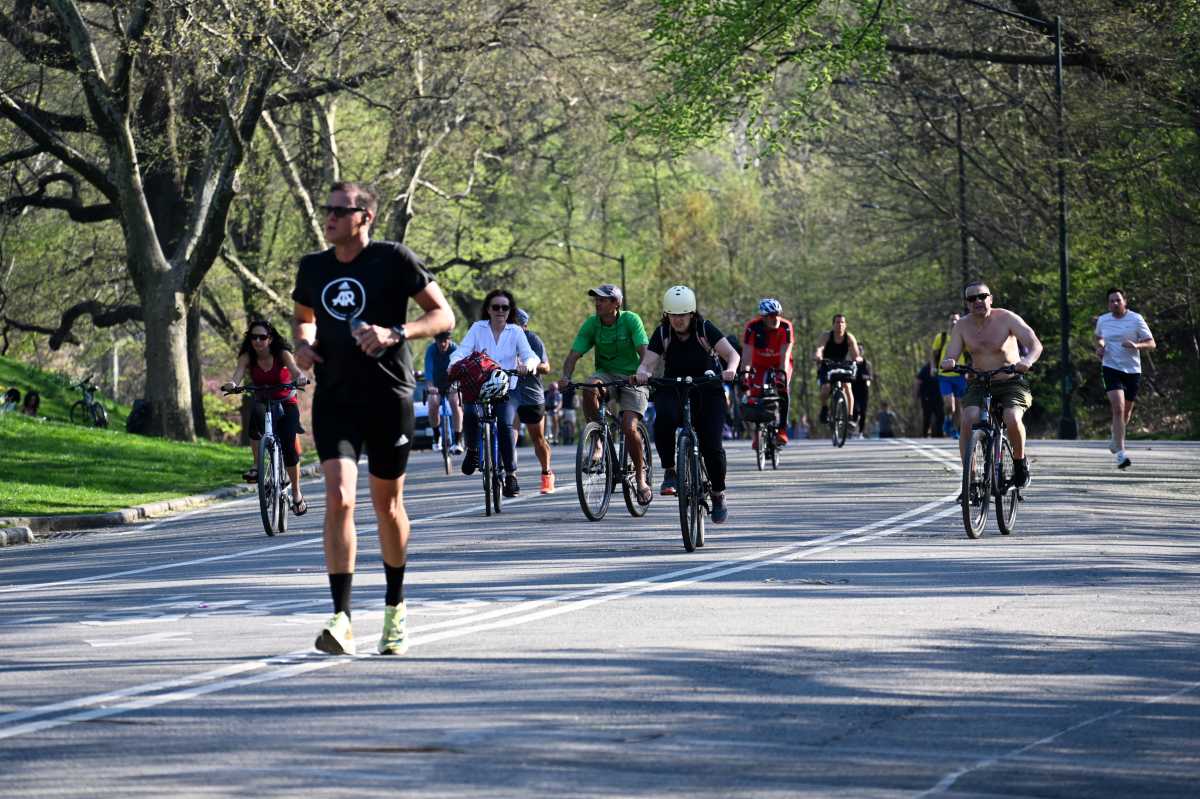 Runners, tourists and bicyclists in Central Park.Photo via Getty Images
The scores weighed parks on a list of factors, including acreage, access, facilities, and investment, using data points such as how many people have access to public parks within a 10-minute walk, the median park size, the number of dog parks, bathrooms, basketball courts, and more.
The city’s parks ranked highly in accessibility, scoring 99 out of 100 points for people’s ability to reach a public park within about 10 minutes or half a mile. But it fell short on key metrics like park size, scoring only 4 out of 100 points for the median park acreage, underscoring the need for large green areas, which can improve mental health and provide critical climate and urban cooling benefits.
The city also needed to step up its game in park amenities, according to the rankings. While the city offered some amenities like splash pads and playgrounds in abundance, others like sports fields, restrooms and senior centers were underrepresented.
Greenspace organizations slammed the city over its depressing showing on the list. Adam Ganser, executive director for the nonprofit New Yorkers For Parks, told amNewYork in a statement that after years of underinvestment, parks advocates saw the demotion coming.
“New York’s position has plummeted in the Trust for Public Land’s national rankings of urban park systems for the second year in a row and not only is it not a surprise…it’s embarrassing,” Ganser said. “The reason for this fall is clear – multiple years of significant cuts to the agency and a lack of big vision for our city’s parks system. NYC is spending less as a percentage of its city budget, and less per capita than other large urban US cities. And unlike most of the park systems in the top 10, which have dedicated funding streams, our park system is a victim of the annual budget dance. Ultimately, it is New Yorkers who are the victims.”
New investments must be approved in the coming weeks to meet the June 30 budget deadline. Mayor Zohran Mamdani proposed around $700 million to the parks department last week in his executive budget proposal, including $15 million in base funding.
But Ganser said the budget wouldn’t be enough to restore the cuts made over the past few years.
“It does not go far enough, particularly in the context of the agency losing over 700 positions over the last three years, and in light of the Parks Scores released today” he said.
However, the dramatic decline in the Parks Scores Index suggested that more investment may not make a huge difference to New Yorkers if that investment wasn’t distributed thoughtfully. The rankings showed poor performance in park equity. Black and low-income residents do not have the same access to green spaces as white and affluent New Yorkers.
“In New York, residents living in neighborhoods of color have access to 56% less nearby park space than those living in white neighborhoods (32 points out of 100),” a Trust for Public Land analysis of New York’s 2026 scores said. “Residents living in lower-income neighborhoods have access to 55% less nearby park space than those in higher-income neighborhoods.”
The Trust For Public Land also created the ParkServe tool for New Yorkers to evaluate their own parks through an interactive map showing different park features, access and even allowing users to create their own parks and watch the impact it can have on their community.