
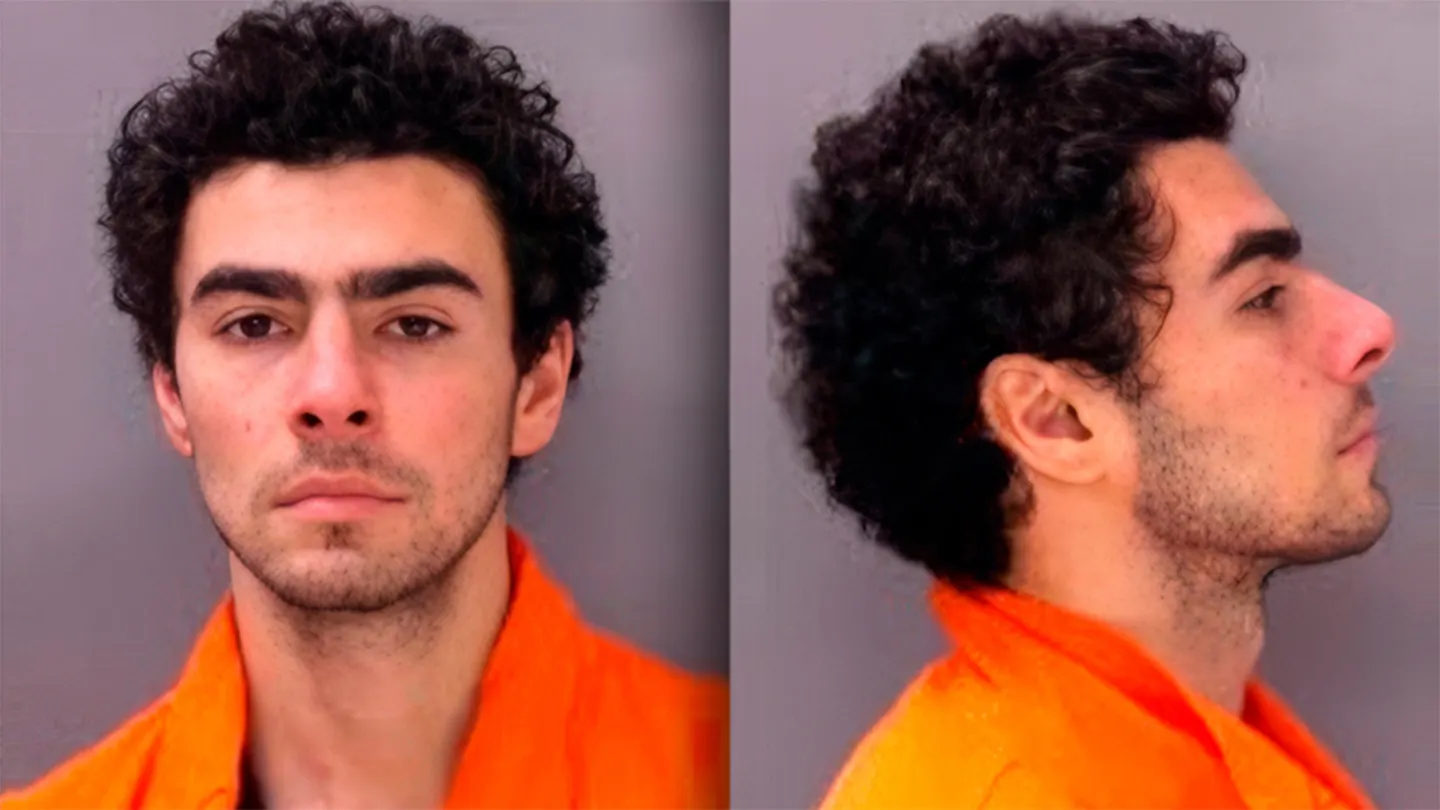
NY defense attorney Mark Bederow says a guilty plea in Manhattan could seriously damage Mangione’s pending federal defense
Could Luigi Mangione cut a plea deal in one of the highest-profile murder prosecutions in recent New York history? Legal experts say, technically, it’s possible…but the unusual overlap between his Manhattan state case and pending federal prosecution may make any negotiated resolution very difficult.
Mangione, who is accused in the fatal shooting of UnitedHealthcare CEO Brian Thompson in December 2024, is simultaneously facing prosecution in both New York state court and federal court. This creates what New York criminal-defense attorney Mark Bederow describes as a legal minefield for both the defense and prosecutors.
According to Bederow, any plea agreement offered by Manhattan prosecutors would almost certainly require Mangione to plead guilty to second-degree murder (the top charge in the state case) and publicly admit under oath that he intentionally planned and carried out what prosecutors have described as a targeted assassination.
Bederow explained that such an allocution would likely need to be detailed and sworn, with Mangione forced to walk through the crime step-by-step in open court. In his opinion, prosecutors and the court would also insist on a significant sentence, likely well above the statutory minimum of 15 years to life under New York law for second-degree murder convictions. Under New York Penal Law § 70.00, murder in the second degree carries an indeterminate sentence of 15 years to life.
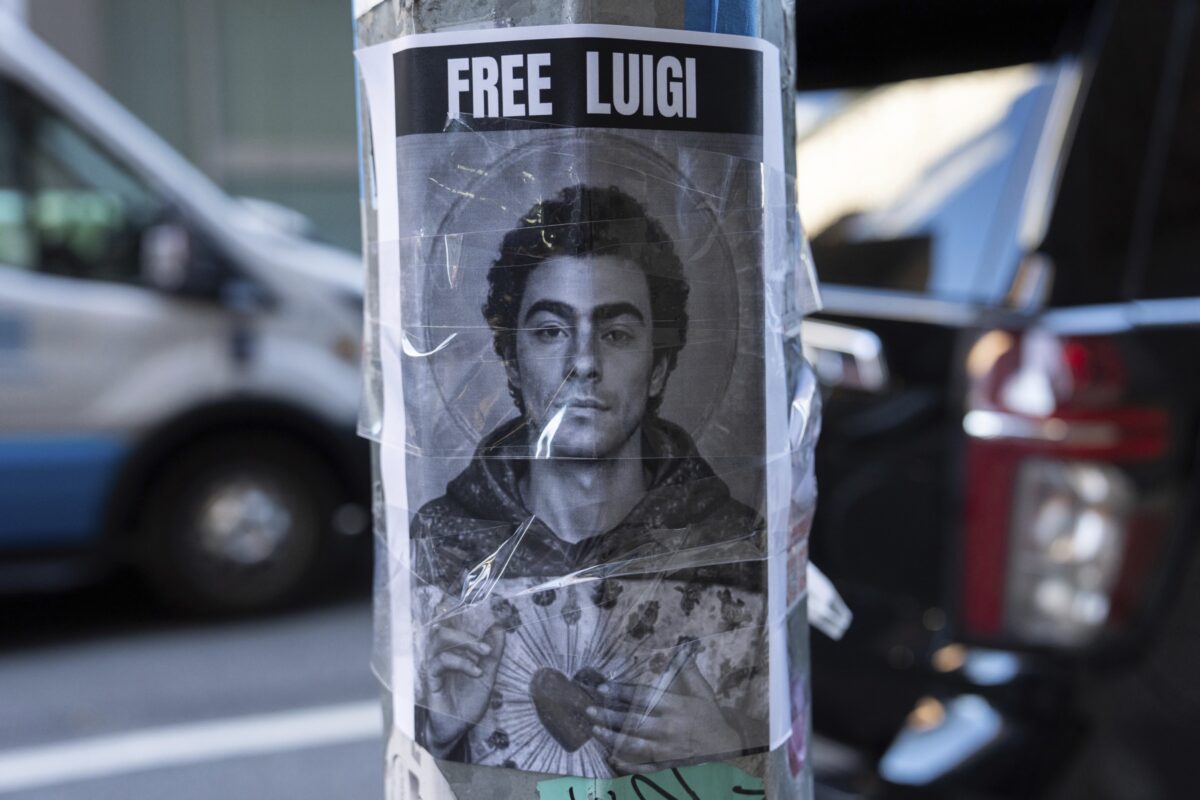 A striking “Free Luigi” poster appeared on a Manhattan street pole following Luigi Mangione’s indictment on terrorism and murder charges related to the ambush killing of UnitedHealthcare CEO Brian Thompson last year.Credit: AP News
In Bederow’s view, a sentence exceeding 20 years to life would still be considered a major win for the Manhattan District Attorney’s Office because it would avoid the unpredictability of a Manhattan jury trial…particularly in a case that has attracted vocal supporters of Mangione online and outside the courthouse.
Bederow argued that avoiding a Manhattan jury trial could itself be a major incentive for prosecutors pursuing a plea deal. He noted that the Manhattan DA’s Office likely wants to avoid “the stress from an unpredictable Manhattan jury pool, which is very liberal,” adding that prosecutors would “obviously want to avoid anyone who even closely resembles the ‘press’ who support Mangione by making outlandish statements and dressing like Luigi.”
But the veteran attorney said the real complication lies in the federal case.
Scroll to continue reading
A guilty plea in state court would not simply stay confined to Manhattan criminal court. Any plea allocution would occur under oath and become public record, Bederow said federal prosecutors in the Southern District of New York would almost certainly seek to use Mangione’s admissions in their own prosecution.
That reality, according to Bederow, makes it difficult to imagine Mangione pleading guilty in state court while the federal case remains unresolved.
“It’s hard to see where he can plead in one and not the other and not substantially prejudice his defense in the other,” Bederow explained, adding that a plea in either jurisdiction would truly increase pressure to resolve the companion case as well.
The dual prosecutions also create strategic differences for the defense. Bederow said Mangione’s attorneys may believe they have a better chance with a Manhattan state jury than with a larger federal jury pool drawn from multiple counties throughout the Southern District of New York.
In Bederow’s opinion, Mangione’s strongest potential path in state court would likely involve attempting to secure sympathy or implicit jury nullification from jurors receptive to their frustrations involving the healthcare industry and corporate America . This is something he believes would be far less likely in federal court, however.
Bederow also pointed to the ongoing political tension between Manhattan District Attorney Alvin Bragg and President Donald Trump as another reason federal prosecutors are unlikely to simply abandon their own case if a state plea were reached first.
The defense also faces another major concern: appeals.
Unlike many negotiated plea deals, Bederow noted that a plea to the top count of murder would likely not require Mangione to waive his appellate rights. That means if critical evidence (such as the red journal or purported murder weapon) were later ruled inadmissible on appeal, a conviction could potentially be overturned.
For now, Bederow believes the existence of two active prosecutions makes a plea deal significantly less likely in the near term, particularly before the state case reaches trial.
Mangione is scheduled to appear for a virtual conference on June 3, following last week’s highly anticipated suppression ruling in which Judge Gregory Carro determined that key evidence, including the alleged ghost gun, silencer, and notebook, will be admissible at trial.