
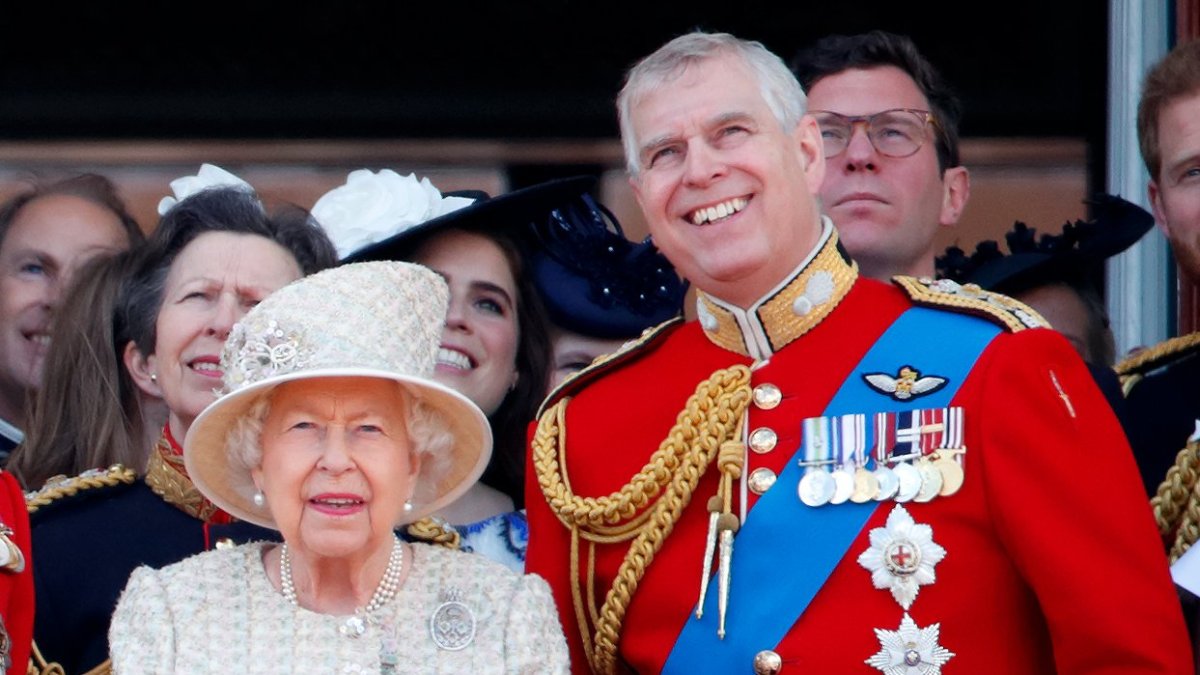
A newly declassified cache of confidential government documents has exposed the profound influence of the late Queen Elizabeth II in securing a prestigious diplomatic post for her most controversial son. A 31-page dossier, forcibly released by the United Kingdom government following intense parliamentary pressure, confirms that the monarch was “very keen” for Prince Andrew to be appointed as the UK’s special representative for international trade and investment. The revelation casts a severe new light on the intersection of royal privilege and compromised national security.
The release of these historical papers comes at a moment of maximum vulnerability for Andrew Mountbatten-Windsor, who was stripped of his royal titles amid the catastrophic fallout from his close association with the convicted sex offender Jeffrey Epstein. The fact that Andrew was thrust into a highly sensitive diplomatic role—granting him unfettered access to global heads of state and classified economic intelligence—based entirely on a maternal royal mandate rather than professional merit, has ignited fierce constitutional outrage in Westminster. The implications for the integrity of British statecraft are staggering.
The February 2000 Memorandum
The most explosive document within the released tranche is a confidential memorandum dated February 25, 2000. Authored by Sir David Wright, the then-chief executive of British Trade International, and addressed to former Foreign Secretary Robin Cook, the memo clearly outlines the genesis of the appointment. Wright explicitly states that the initiative originated as a direct royal wish communicated through the Palace’s private secretary, completely bypassing standard bureaucratic assessment protocols.
Trade Minister Chris Bryant delivered a blunt written statement to parliament, confirming the total absence of standard procedural safeguards. He revealed that government archivists could find absolutely no evidence that formal due diligence or essential security vetting was ever undertaken prior to Andrew assuming the role in 2001. The position was effectively treated as a hereditary entitlement, transferring from the Duke of Kent directly to Andrew without the requisite scrutiny demanded of high-level diplomatic appointments.
The Ten-Year Tenure of Liability
Andrew occupied the role of trade envoy for a decade, operating globally under the protective umbrella of British state authority until he was forced into a humiliating resignation in 2011. The lack of initial vetting is now viewed by intelligence analysts as a catastrophic institutional failure, given the severe allegations that have subsequently emerged.
The Epstein Connection: Andrew is currently facing intense scrutiny over accusations that he shared sensitive, restricted government information with Jeffrey Epstein during his tenure.Police Investigation: Thames Valley Police are actively investigating the former royal for potential misconduct in public office, supported by cooperation from current government ministers.Diplomatic Blindspots: The documents confirm that the government prioritized royal continuity over national security, failing to monitor the envoy’s relationships with deeply compromised foreign actors.Parliamentary Backlash: The release of the documents is the direct result of a motion pushed by Liberal Democrat lawmakers demanding transparency regarding the opaque appointment process.Global Repercussions of Royal Privilege
The unmasking of this deeply flawed appointment process resonates strongly within international diplomatic circles. In developing economies across Africa and Asia, where British trade envoys operate with the presumption of absolute integrity, the revelation that such positions can be awarded without basic security clearances damages the credibility of UK foreign policy. It highlights a glaring hypocrisy: while Western governments frequently lecture emerging democracies on the necessity of meritocracy and anti-corruption frameworks, the heart of the British establishment permitted a compromised figure to broker international trade deals based solely on his bloodline.
Furthermore, the Queen’s documented insistence on the appointment reinforces long-held suspicions regarding her inability to objectively manage the controversies surrounding her second son. The empathy she harboured for Andrew evidently compromised the necessary barriers between the monarchy and the machinery of government, resulting in a decade-long diplomatic liability that the current administration is still attempting to untangle.
The Accountability Reckoning
King Charles III has spent the past year aggressively attempting to insulate the modern monarchy from the toxic residue of the Epstein scandal, permanently sidelining his brother. However, the release of these documents proves that the institutional rot extended far beyond the royal family, infiltrating the highest levels of the Blair government which capitulated to Palace pressure. As police investigations accelerate, the declassified memo stands as a permanent, damning indictment of a system that allowed royal deference to entirely supersede national security protocols.