
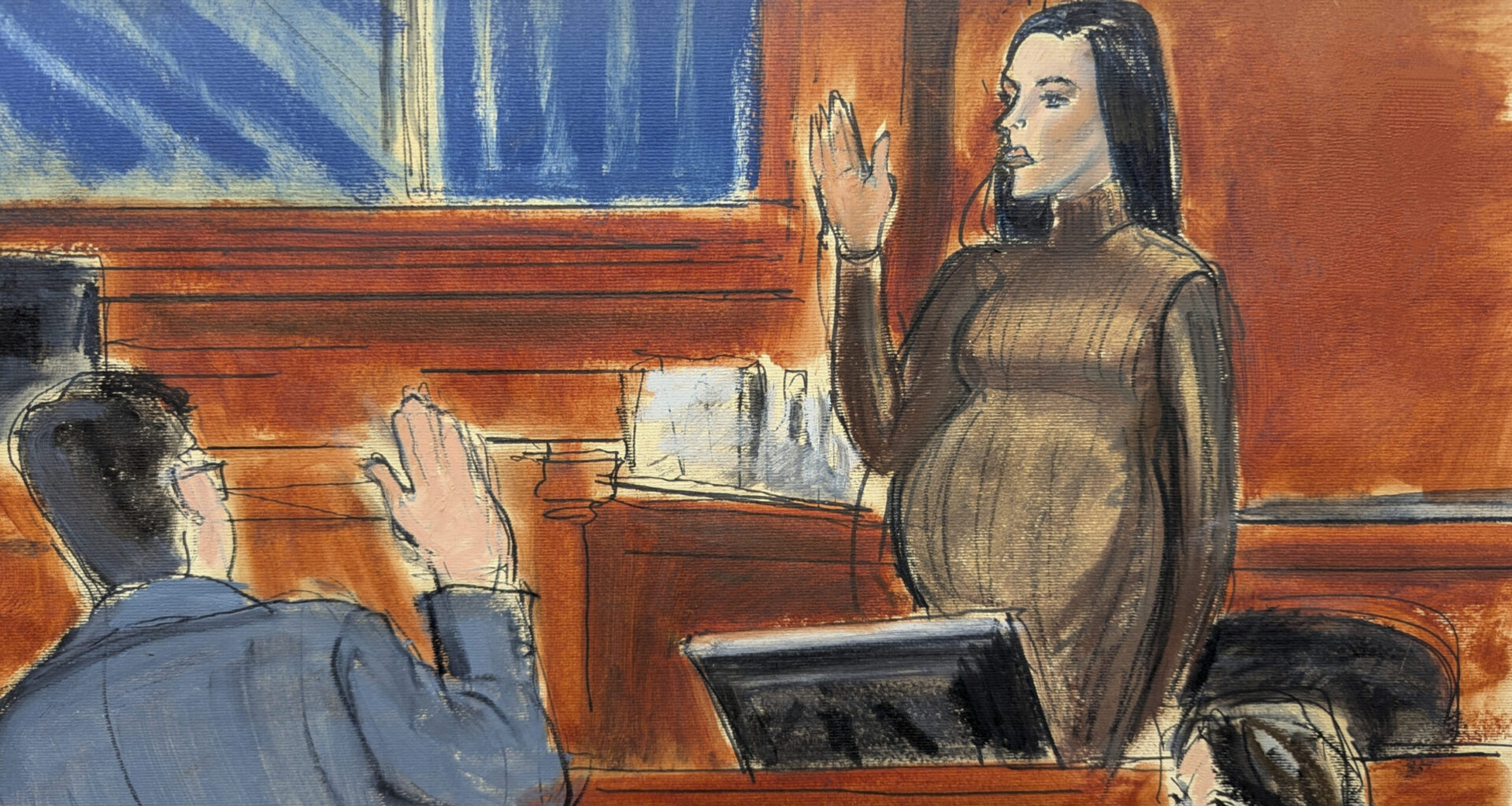
Teny Geragos accused the paper of getting major courtroom facts “dead wrong” and “reckless” reporting
The New York Times is being called out after publishing a story questioning whether the #MeToo movement’s once-powerful courtroom momentum is fading. However, one of the defense attorneys featured prominently in the piece says the publication got major facts totally wrong.
In the article, “In #MeToo Cases, Has ‘Believe Women’ Lost Its Power in Courtrooms?,” Debra Kamin argued that defense attorneys in recent high-profile sexual assault and trafficking trials have become too aggressive in their cross-examinations of accusers. The story pointed specifically to the recent trials involving Harvey Weinstein, Sean Combs and the Alexander brothers.
 Alon, Oren, and Tal AlexanderCredit: Department of Justice
But Teny Geragos, who represented both Weinstein, Combs, and Oren Alexander, blasted the article in a TikTok, accusing Kamin of publishing “fake news” and misrepresenting what actually happened inside the courtroom.
Geragos specifically called out a section of the article describing Weinstein attorney Marc Agnifilo allegedly staring accuser Jessica Mann “directly in the eye” while telling her: “You went to his hotel room for the reason that adults go to other adults’ hotel rooms. You wanted to.”
The description was deeply misleading because Agnifilo never cross-examined Mann during the retrial at all…Geragos did. “If only a quick Google search would tell you that Mark Agnifilo didn’t cross-examine Jessica Mann,” Geragos said in her video. “I questioned Jessica Mann.”
Agnifilo brought up the aforementioned to the jury in closing arguments.
Scroll to continue reading
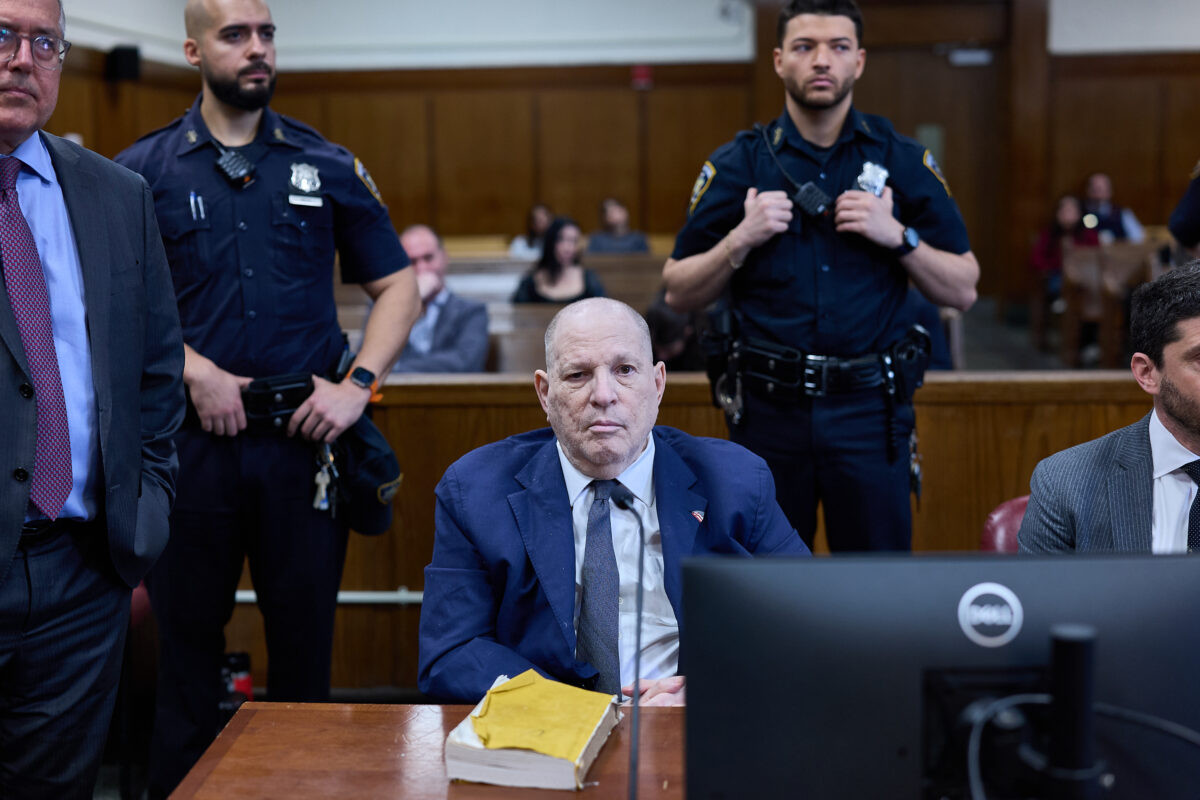 Harvey Weinstein appears in Manhattan Supreme Court for a Pre-Trial hearing as his April 14th trial date closes in Credit: Curtis Means for Daily Mail/Pool
Geragos further addressed the Times of pushing a narrative that defense lawyers were “painting accusers as liars seeking money and fame,” despite what she described as a lack of factual support from the actual trials.
The Times article claimed that modern defense teams have reverted to “familiar tactics” by characterizing accusers as financially motivated or fame-seeking. But Geragos argued that narrative simply did not reflect the actual courtroom record in either the Weinstein or Combs cases. “We never once implied or suggested that Jessica Mann was seeking fame,” Geragos said, adding that Weinstein’s team also never introduced evidence about Mann receiving money after accusing Weinstein.
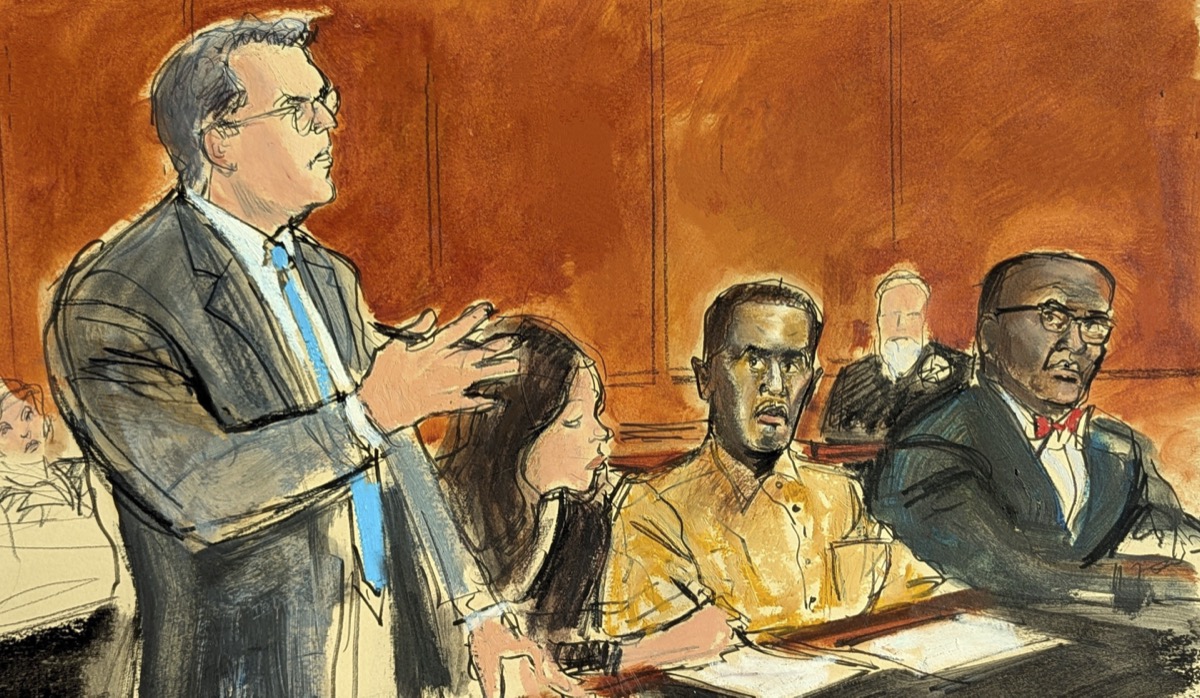 Sean “Diddy” Combs defense attorneys, Marc Agnifilo and Teny Geragos, argue on behalf of their clientCredit: Elizabeth Williams via AP
Geragos also pushed back on the article’s characterization of the Combs defense, noting the defense repeatedly emphasized that singer Cassie was already famous before her relationship with Combs. “Not once in the Sean Combs case did we say the accusers were seeking fame,” Geragos said.
Perhaps one of the most damning call-outs was the fact that Kamin never attended the Weinstein retrial or the Combs trial in person, despite writing these claims about alleged defense tactics.
“So interesting that you put that in your article because you not once attended trial,” Geragos said she wrote to Kamin afterward in an email.
Geragos said the Times later issued a correction regarding the Agnifilo passage, but she argued the larger framing of the article remains misleading and reckless.
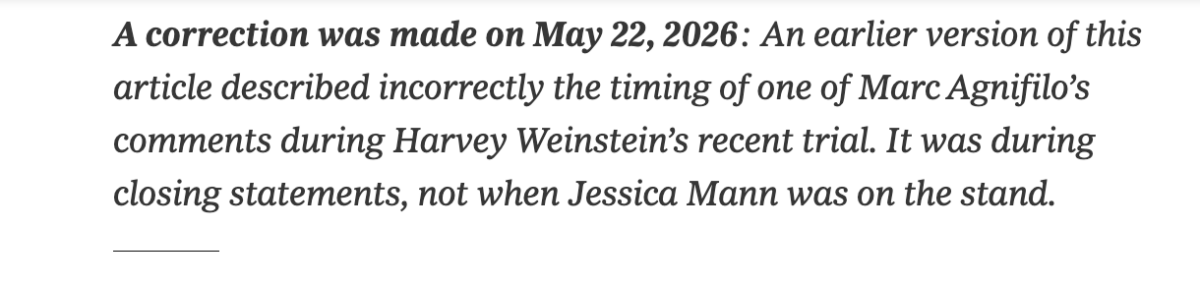 Credit: New York Times
“This bothers me because as a criminal defense lawyer, I really pride myself as being respectful to those in the courtroom,” Geragos said, adding that both Mann and “Jane,” Combs’ accuser, thanked and hugged her after she cross-examined them. This was not included in Kamin’s story.
Of note, several Weinstein jurors recently spoke out after the verdict, revealing that all of the women on the jury voted to acquit Weinstein because they believed prosecutors failed to prove the case beyond a reasonable doubt.
The controversy comes as debate intensifies over whether the cultural force of #MeToo has weakened inside courtrooms, particularly after Weinstein’s rape retrial ended in another mistrial and Combs avoided convictions on the most serious federal trafficking charges.