

There are certain milestones you don’t really think about until they happen.
For example, when I first started writing this column, I never imagined that more than 90 restaurant entries later, I still would not have featured a single restaurant from Staten Island. Not because there weren’t kosher restaurants there, but because for many years Staten Island simply was not part of the larger conversation surrounding the evolution of kosher dining.
That has clearly changed.
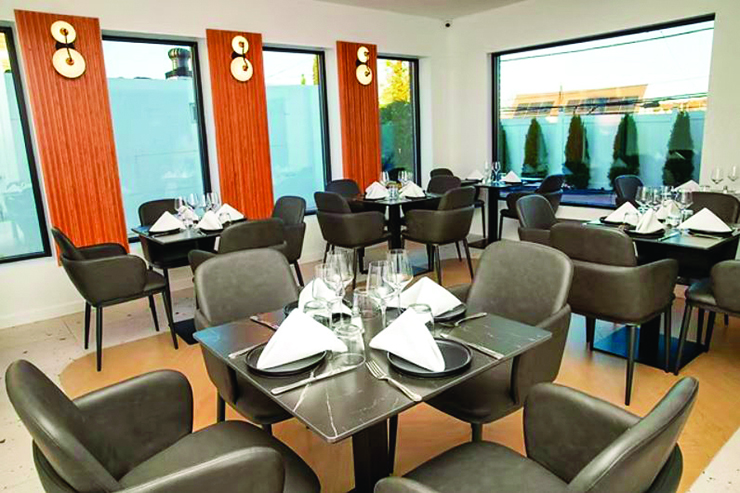 Interior of Silk Spoon.
The growth of the Staten Island community over the past several years has been remarkable, and with that growth has come something else: restaurants that are no longer just serving a local need, but are actually trying to compete with the broader kosher dining scene throughout the tri-state area. Restaurants that care about presentation, atmosphere, and creating dishes that feel thoughtful rather than simply functional.
Which brings me to Silk Spoon.
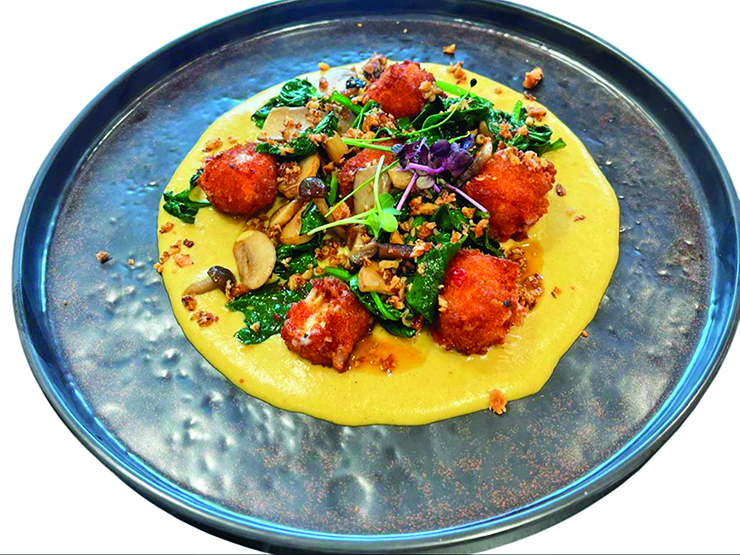 Polenta fusion
Silk Spoon is the kind of restaurant that feels intentionally designed for where kosher dining is today. The space itself has a polished, contemporary atmosphere without becoming overly formal. It works equally well for a casual night out, a date or a family dinner where people actually want to linger a little rather than rush through pizza and leave.
When I was invited to Silk Spoon, I started off by ordering the Polenta Fusion. Polenta is simply not something you see often in kosher restaurants. Silk Spoon’s version leans into both comfort and texture. The polenta itself had a subtle sweetness that worked particularly well against the savory components surrounding it. The sautéed spinach and mushrooms added an earthy depth that kept the dish grounded, while the fried mozzarella bites brought a crispy contrast that completely changed the experience of each bite. That interplay between creamy, crispy, sweet and savory made the dish far more dynamic than I expected going in.
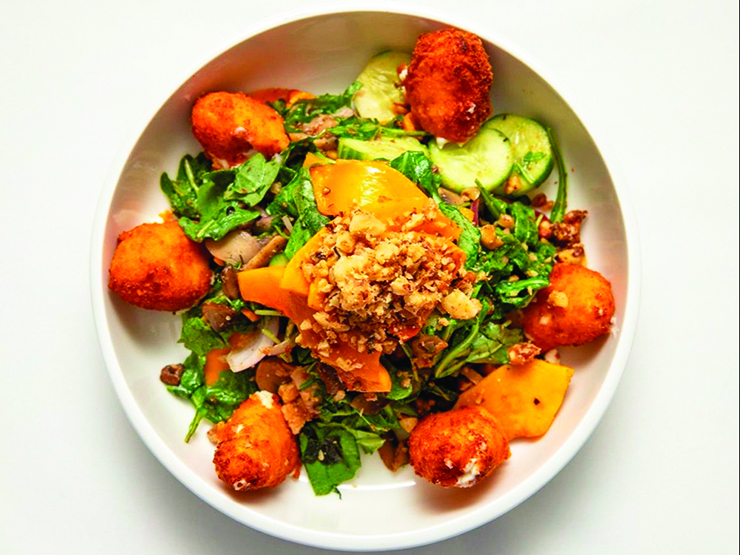 Portabella salad
And honestly, that theme continued throughout much of the meal. Silk Spoon seems particularly aware of texture in a way many restaurants overlook.
Take the risotto, for example. The version here actually understands restraint. The rice maintains the proper consistency without becoming heavy or gluey, while the leek and truffle introduce layers of flavor that gradually build rather than overwhelm the dish immediately.
But what really elevated the plate were the pieces of fried white fish incorporated throughout.
Cutting through the crispy fish alongside the softer risotto created an unexpectedly satisfying contrast. Every bite felt slightly different. Sometimes you got more of the earthiness from the truffle, sometimes more sweetness from the leek, sometimes the crunch from the fried fish. It transformed what could have been a fairly standard upscale dairy entrée into something considerably more memorable.
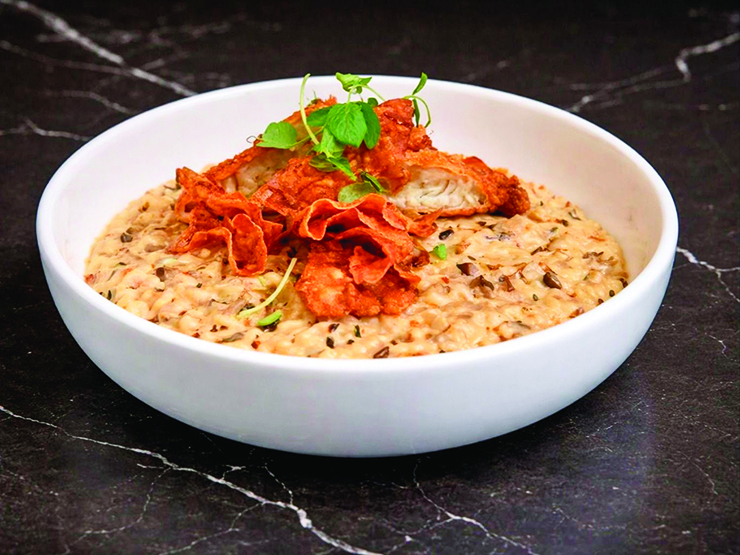 Risotto
The portabella salad also deserves mention, though honestly, the menu undersells one of its best components.
The fried goat cheese.
Now, fried goat cheese has become increasingly popular in non-kosher restaurants over the past several years because it works unbelievably well in salads. The warmth and crispiness of the exterior combined with the creamy tanginess inside creates a richness that balances beautifully against fresh greens and vegetables. Yet somehow, it’s still something rarely seen in kosher establishments. At Silk Spoon, it was probably the single best element on the plate.
Combined with the deep, earthy flavor of the portabella mushrooms, the
salad managed to feel substantial enough to stand on its own rather than simply serving as the obligatory “healthy option” on the menu.
The sweet potato and cheese ravioli continued Silk Spoon’s ability to balance richness carefully.
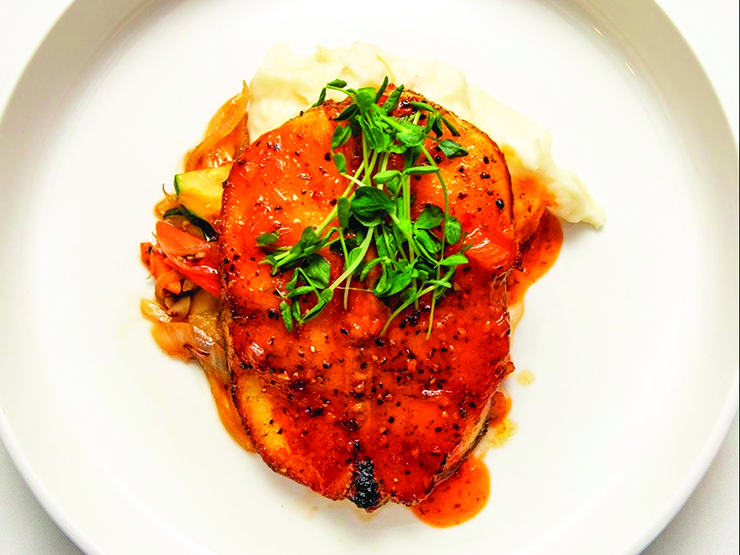 Seabass amora
Sweet potato ravioli can sometimes become overwhelmingly sweet, especially when paired with heavier dairy sauces. Here, however, the sweetness remained controlled and balanced nicely against the cheese filling. The dish felt comforting without becoming excessive, which is harder to achieve than many people realize.
Still, as strong as several of the dairy dishes were, the real stars of the evening were unquestionably the fish entrées.
And interestingly, the Tuna Raw and Fire and Seabass Amora succeed for almost opposite reasons.
The Tuna Raw and Fire barely feels like a traditional fish entrée at all. The tuna itself has an almost steak-like quality—substantial, rich, and meaty enough that even diners who usually gravitate toward meat restaurants would likely find themselves completely satisfied ordering it. Surrounding the tuna were sautéed spinach and mushrooms that added an earthy savory component without distracting from the fish itself, while the roasted potatoes grounded the dish with a simple, hearty element that tied everything together.
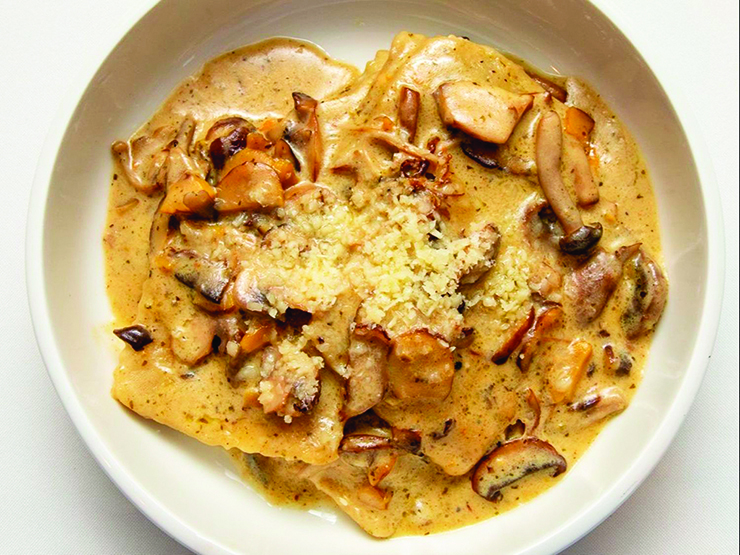 Sweet potato and cheese ravioli
Meanwhile, the Seabass Amora leans much more into what seafood lovers typically want from fish. Sea bass naturally has a more delicate texture and fuller ocean flavor profile compared to tuna, and Silk Spoon wisely allows those qualities to remain the centerpiece rather than burying the fish under excessive sauces. The mashed potatoes underneath added a creamy, comforting base, while the vegetables—zucchini, carrots, mushrooms and onions—brought freshness, sweetness and texture to the plate.
Really, choosing between the tuna and sea bass comes down entirely to personal preference.
If you want something heartier, richer and almost steak-like, the tuna is probably the move. If you prefer a more classic seafood experience with cleaner fish flavor and lighter texture, the sea bass absolutely delivers.
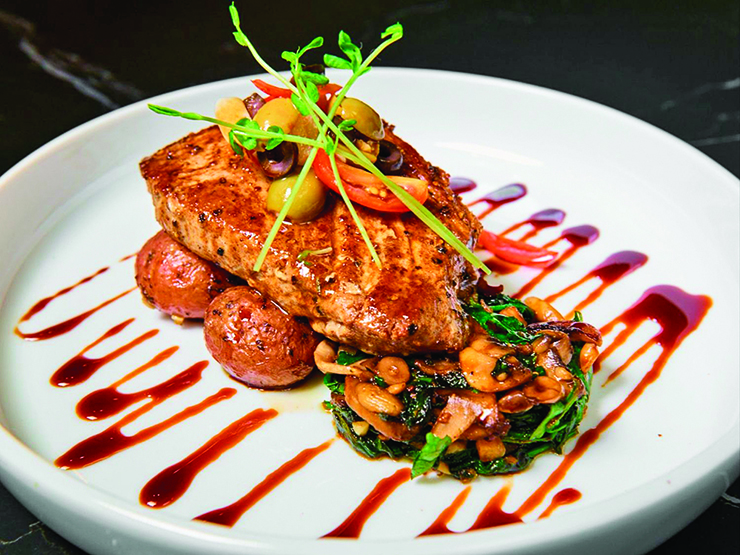 Tuna raw and fire
Either way, the fish is where Silk Spoon truly distinguishes itself.
And perhaps that’s what impressed me most overall. Silk Spoon doesn’t feel like a restaurant trying to imitate trends from Brooklyn or Five Towns dining scenes. Instead, it feels like Staten Island’s kosher community beginning to establish its own dining identity.