
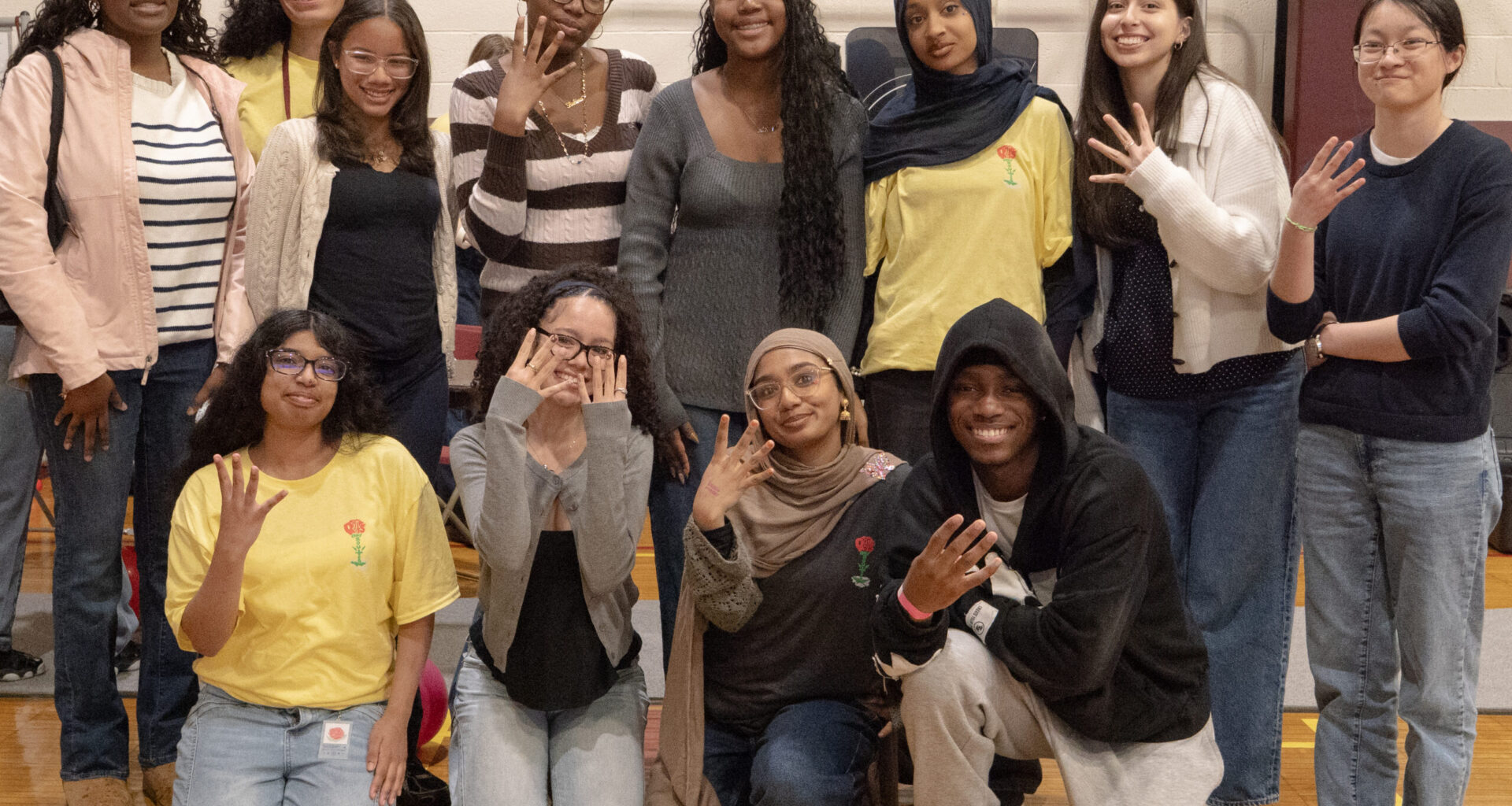
CROWN HEIGHTS — Chidi Asoluka began teaching at a charter school in his hometown of Newark, NJ, to give back to his community, focusing on Black and brown students who had been historically marginalized in the U.S. school system. Instead, he found himself teaching for the test.
“I just felt that what we were teaching our students was more about compliance, test-taking skills, in the hopes that we were able to celebrate their college admissions,” he said. “I didn’t feel that we were doing enough to activate their imagination or to build community, all the things that I think are necessary to restore our communities.”
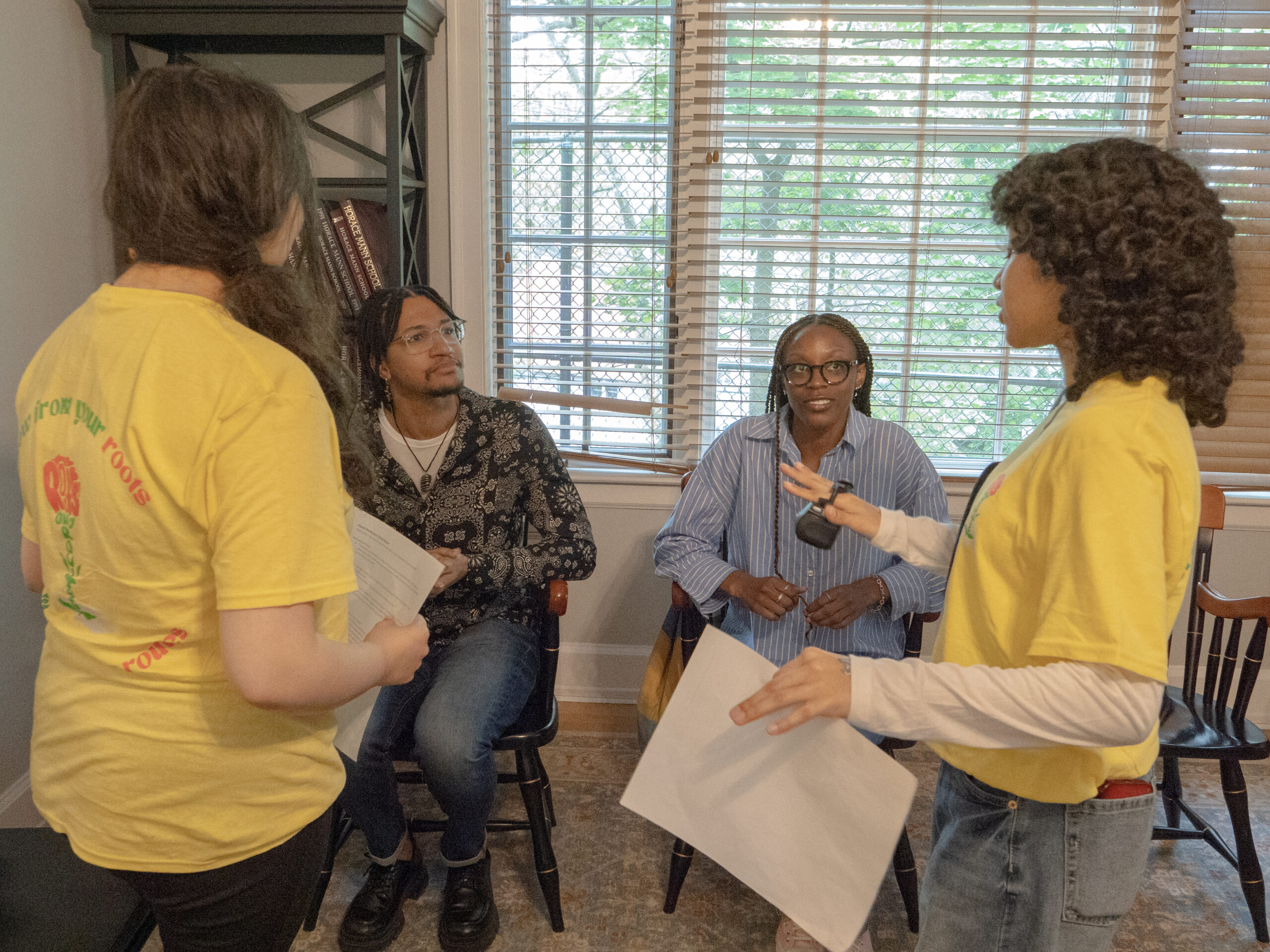 NewComm students networked with professionals at the Routes and Roots block party. Photo: NewComm
Later, working at an independent school in Philadelphia, PA, Asoluka had an actual dream of students designing policy from the lessons of Toni Morrison’s “Song of Solomon.”
“I just thought, ‘What a powerful thing, that novels were the framework for policy.’ I woke up from that dream, and I’ve been obsessed ever since,” he said.
NewComm, as Asoluka’s organization is now known, began as a redesigned English class at that Philadelphia school. Then Horace Mann School in the Bronx hired him to teach NewComm.
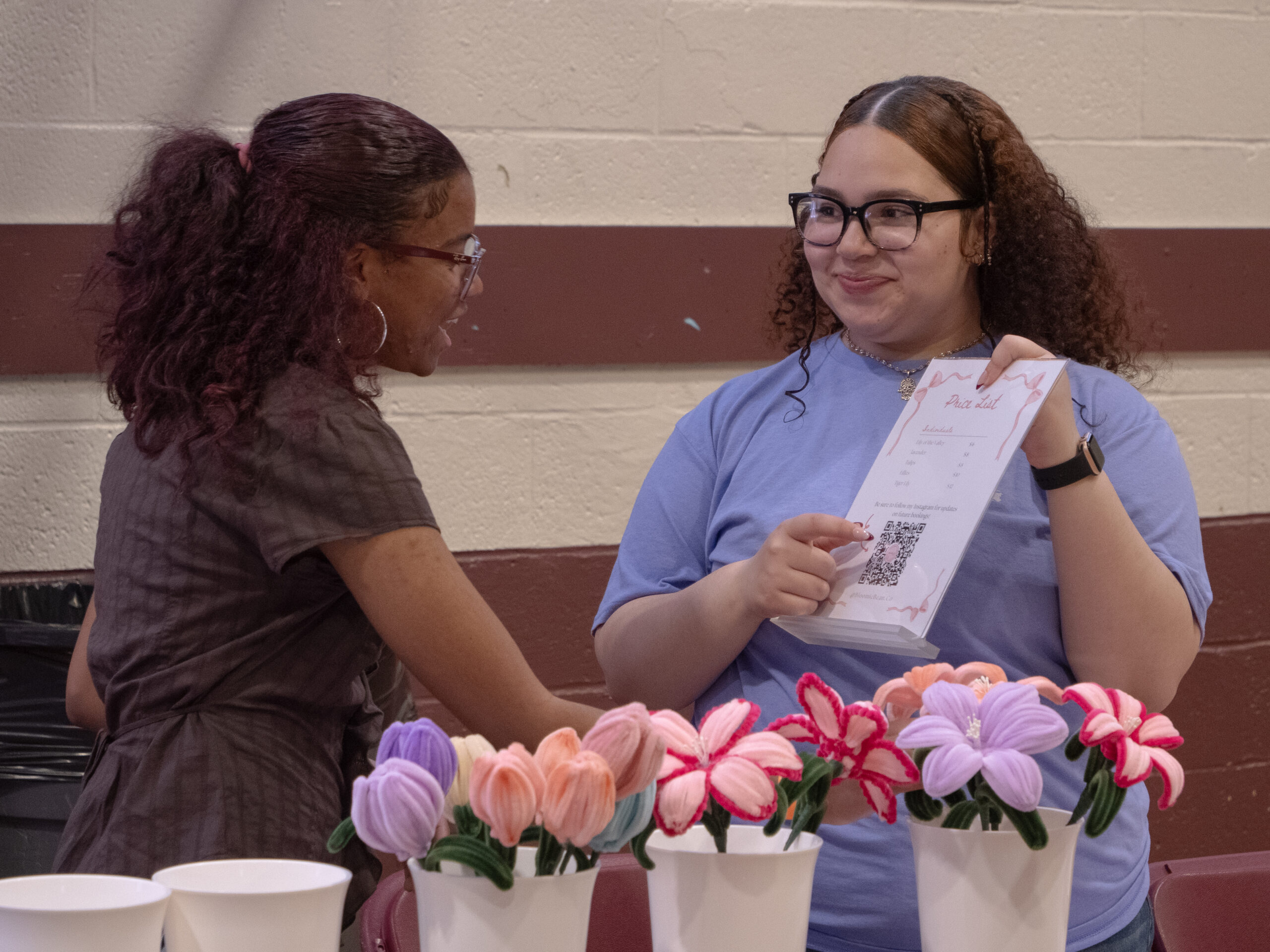 The Roots and Routes block party celebrated NewComm-funded student ventures, such as this custom pipe-cleaner flower business. Photo: NewComm
“I became a little bit disenchanted with working at a privileged school,” Asoluka said. “What would it look like if this was just the way education was done? What if students were always thinking about the ways to connect their education to the community, and what if they actually had resources to do it, and what if schools became like design studios?”
Asoluka’s virtual TEDx Talk about his transformative vision for education caught the attention of a Simons Foundation funder. “She said, ‘Are you serious about this vision?’ I said, ‘Yes, I am.’ She said, ‘Are you $110,000 serious?’” he recounted.
NewComm was born as a Horace Mann summer program with 11 students in 2023. It soon expanded into a year-long extracurricular program with over 150 students from public schools around the Bronx. The Simons Foundation has since been joined in its support of NewComm by Morgan Stanley, the Heckscher Foundation and the Pinkerton Foundation, among others.
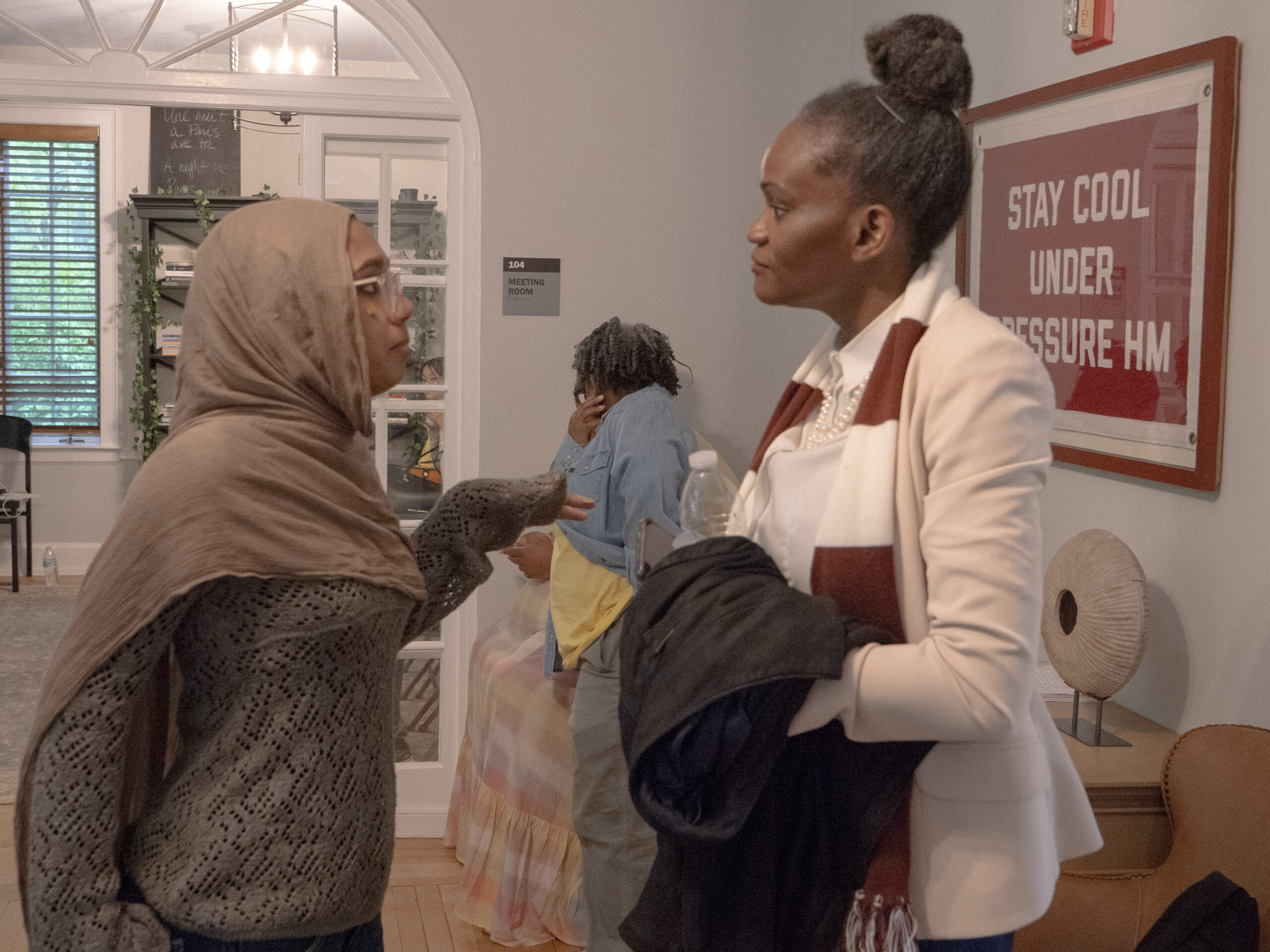 Career development workshops were offered for students throughout the Roots and Routes block party, allowing students to network with professionals. Photo: NewComm
NewComm is a student-led, community-oriented design studio. NewComm students pull frameworks from books they read together — a concept Asoluka has named “literary science” — to solve a problem in their community, working with a real client and a $10,000 budget. Students, who manage their own projects and mentor younger students as they progress, are paid for their work.
This year, for example, students in the Bronx might work with the New York City Department of Health and Mental Hygiene on a project addressing the high rates of hypertension and diabetes in their neighborhoods.
“How can schools turn into these innovation design studios where we give kids the capital and authority to maintain it in their community?” Asoluka asked. “I think when you do that, what they’re learning in school means more, because now, it becomes not just training for the marathon to college, it becomes a toolbox to build a legacy in our community.”
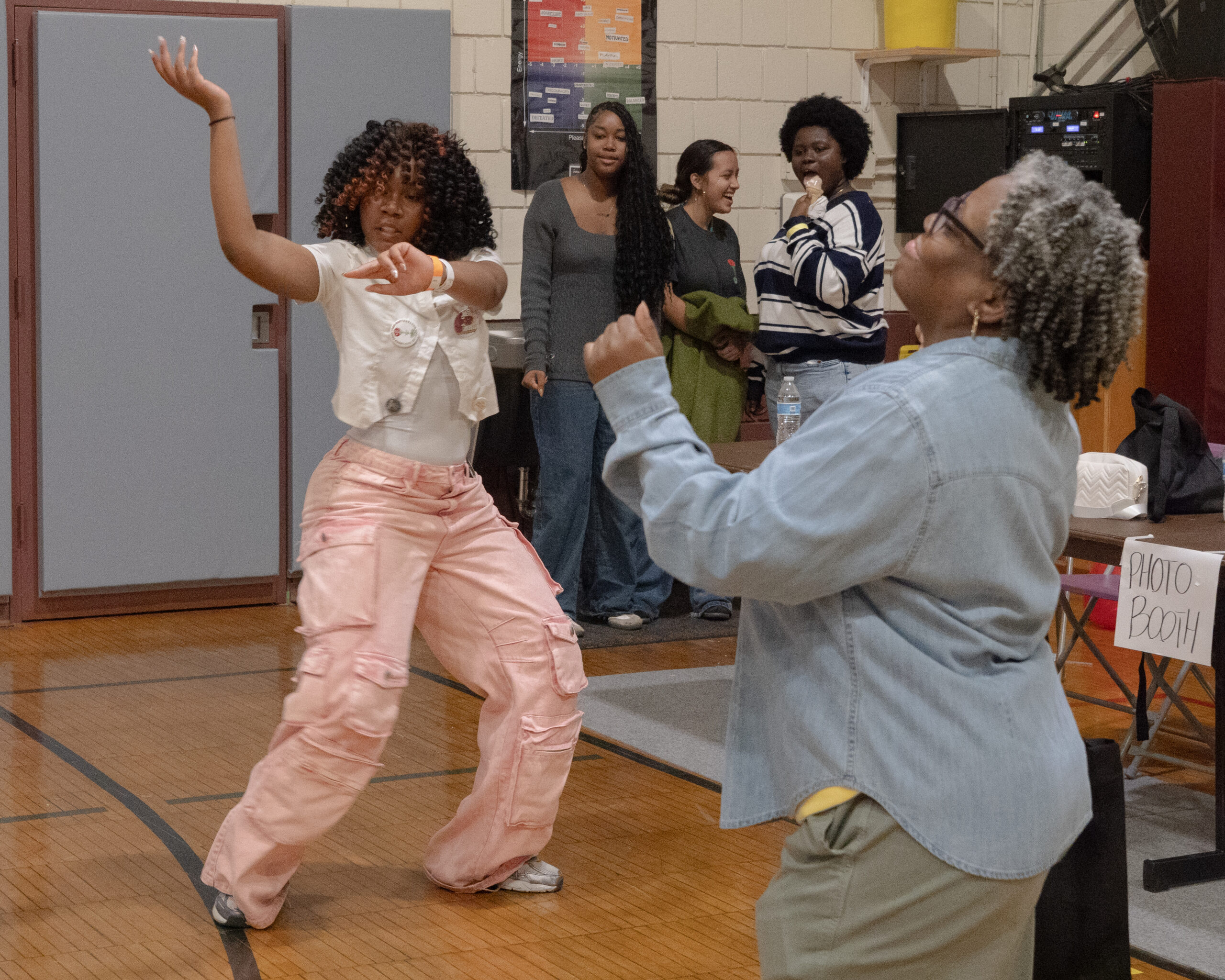 A student celebrates and dances with Mayra Velasquez, the director of operations at NewComm at the Roots and Routes block party. Photo: NewComm
NewComm has proven transformative for students who hadn’t previously been engaged academically, said Asoluka. ”There’s something about what NewComm does that activates something in them that is not being activated in high school.”
NewComm also offers a new framework of success for students who are already thriving in school. “Our thesis is that those are typically the kids who are extracted from our communities, and they go off to work for companies like Goldman Sachs, and they live that life, and they think very little about how they can deploy the capital back home,” said Asoluka.
“We believe that if we can do that at scale, where students are always thinking about, ‘How do we hold the door open for our community?’ If we start to push back against these systems of extraction, we start thinking about the ways we create true economic engines,” he said.