
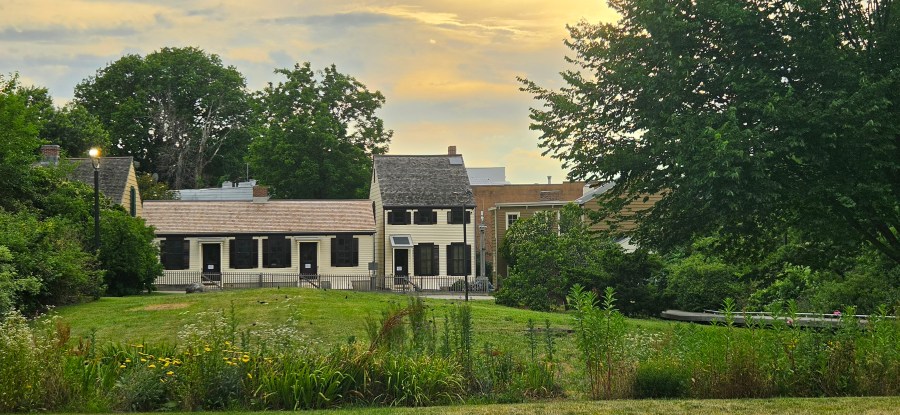
NEW YORK CITY (PIX11) — Juneteenth commemorates the day in 1865 when the last enslaved people in Texas learned they had been freed two years prior by the Emancipation Proclamation. Still, even years before that, New York City became home to some of the first free African American neighborhoods in the country.
After slavery was abolished in New York City in 1827, segregation continued, even after the Jim Crow era. At that time, African American neighborhoods, like Seneca Village in Manhattan and Weeksville in Brooklyn, offered a place where freed Black people could escape both discrimination and the cramped life of the city, historians say.
Stay connected with community stories that matter: Visit our homepage
Skyscrapers, parks, brownstone homes and changing demographics have made it hard to recognize what were once revolutionary neighborhoods for Black people in New York City; however, some lasting remnants reveal their history.
Here’s a look then and now at some of the city’s first free Black neighborhoods and institutions that helped develop them.
Little Africa
The curve of Minetta Street is perhaps one of the most tangible remnants of one of the oldest neighborhoods for freed Black people in present-day Greenwich Village. Families of formerly enslaved people lived along what was once Minetta Brook as early as the 1640s, according to the New York City Parks Department.
Settlers first granted the area to 11 Africans to serve as a buffer neighborhood between the Dutch and Native Americans, the African American Registry says.
The area became known as Little Africa with many African Americans settling along Lispenard, Broome and Spring Streets between the 18th and 19th centuries, research from the CUNY Academic Commons website reveals. The population particularly grew, especially with the migration of freed African Americans from the South to New York.
The engraving below, completed between 1624 and 1699, depicts Dutch settlers in what was New Amsterdam at the southern tip of Manhattan, along with enslaved Africans laboring in the middle ground. Additional photos depict the historic A.M.E. Zion Church, as well as the Varick Memorial building and the African Methodist Episcopal Zion publishing house in the area in the 1800s.
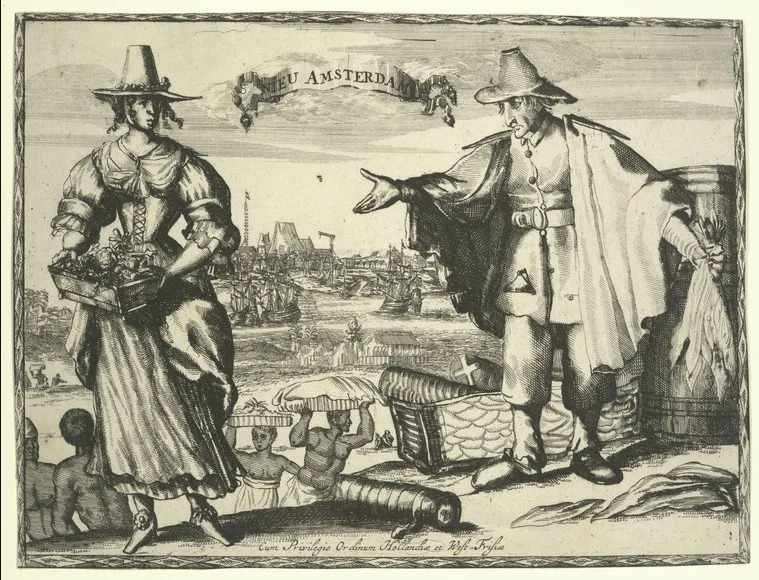
The Miriam and Ira D. Wallach Division of Art, Prints and Photographs: Print Collection, The New York Public Library. “Nieu Amsterdam” The New York Public Library Digital Collections. 1624 – 1699.
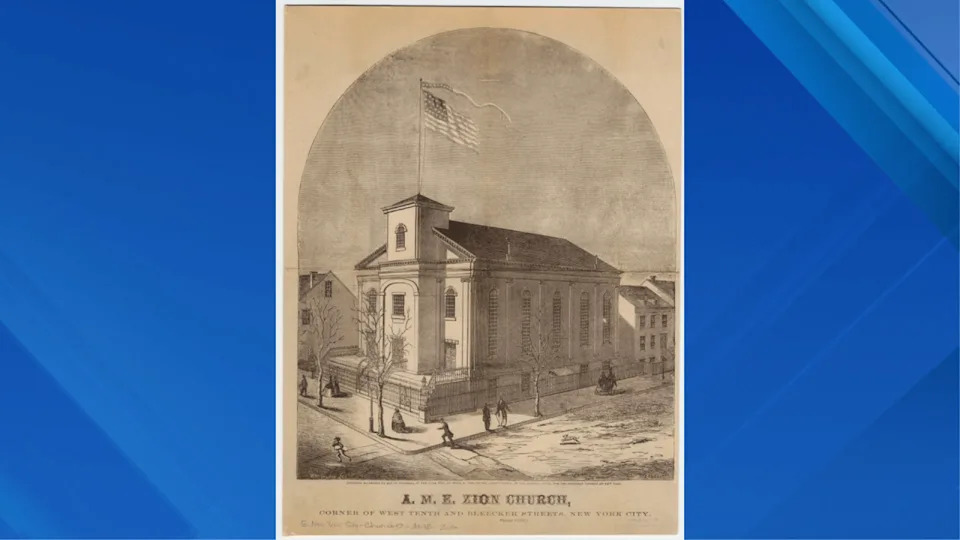
The Miriam and Ira D. Wallach Division of Art, Prints and Photographs: Picture Collection, The New York Public Library. “A.M.E. Zion Church, corner of West Tenth and Bleeker Streets, New York City” The New York Public Library Digital Collections. 1867.
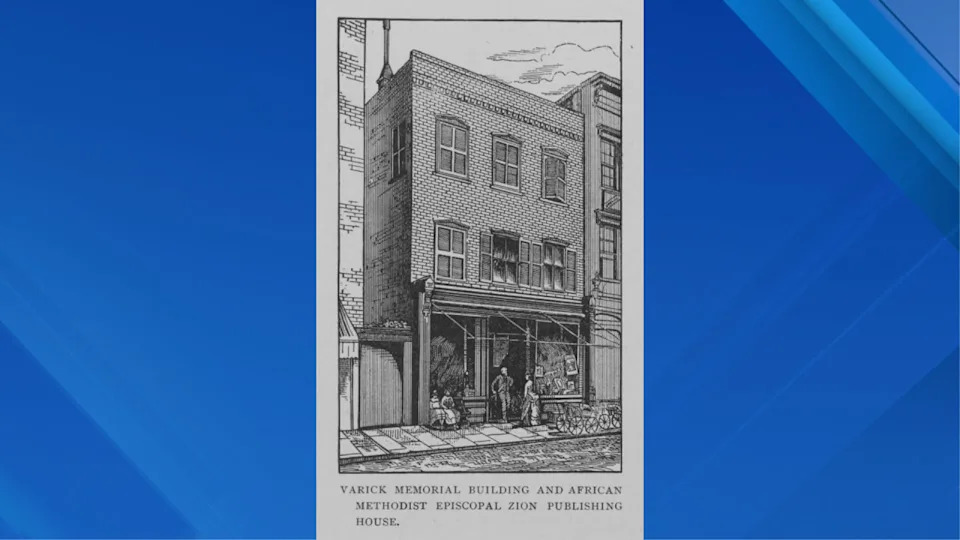
Schomburg Center for Research in Black Culture, Manuscripts, Archives and Rare Books Division, The New York Public Library. “Varick Memorial building and African Methodist Episcopal Zion publishing house.” The New York Public Library Digital Collections. 1895.
Presently, Minetta Street is a residential block in Greenwich Village that leads to the bustling Bleecker and MacDougal Streets. It’s also become the namesake of the popular Minetta Tavern.
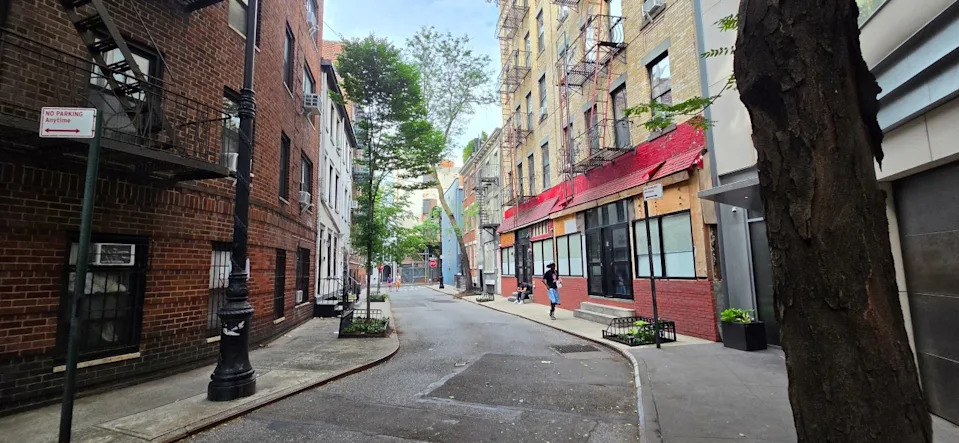
(Credit: PIX11)
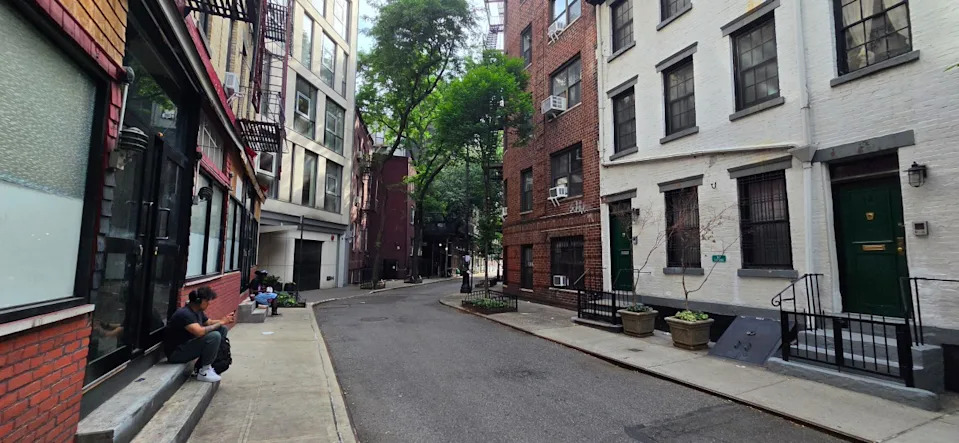
(Credit: PIX11)
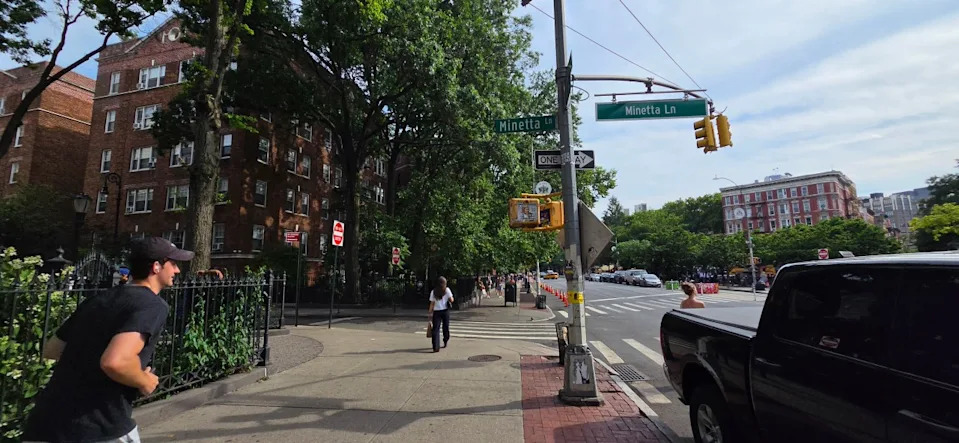
(Credit: PIX11)
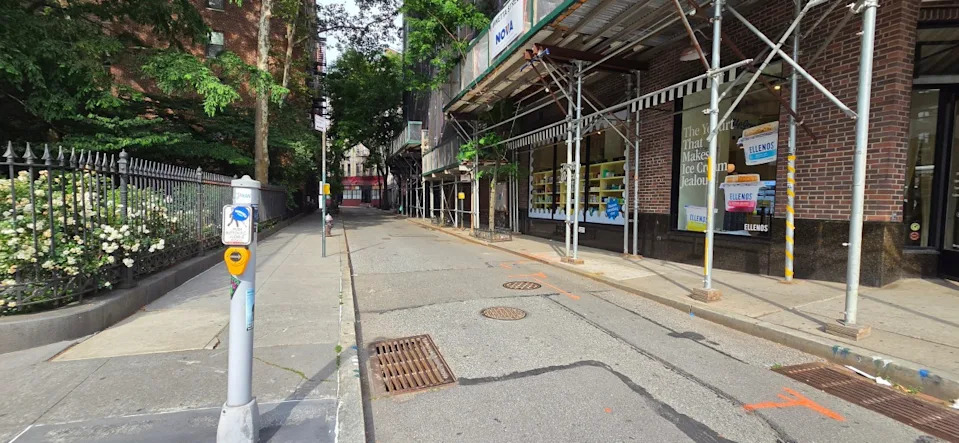
(Credit: PIX11)
Seneca Village
Decades before it was Central Park, more than 200 residents lived in the predominantly Black community of Seneca Village. The neighborhood stretched from current-day West 82nd Street to West 89th Street. Established in 1825, Seneca Village was first developed by African American shoe shiner Andrew Williams, store clerk Epiphany Davis and the AME Zion Church.
Williams, Davis and the AME Zion Church bought and sold lots to other African Americans, which allowed as many of half of the residents at the time to own their own homes and become eligible to vote.
Below is a planning map for Central Park from 1853 that outlines where Seneca Village was situated between what is now Seventh and Eighth Avenues.
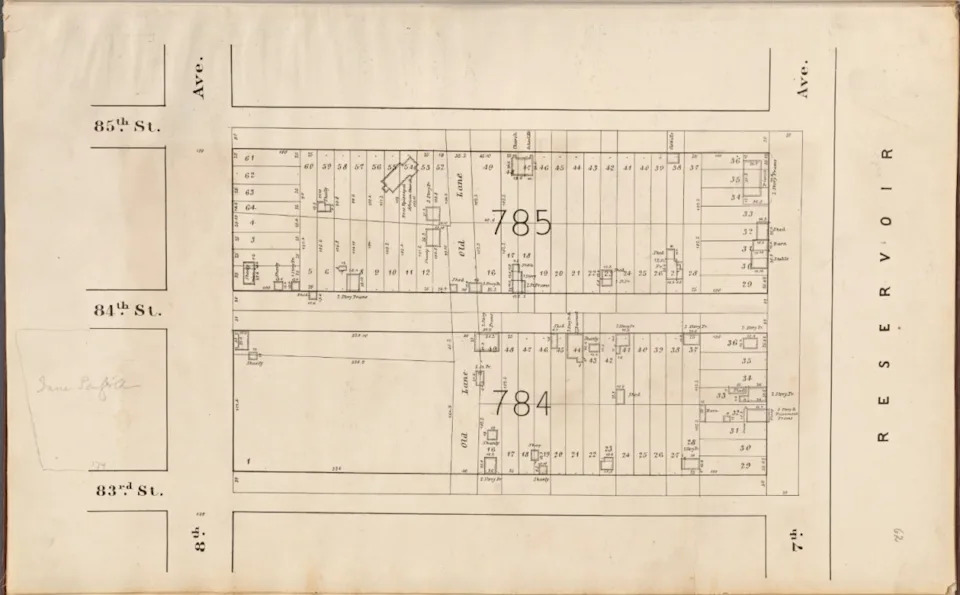
Lionel Pincus and Princess Firyal Map Division, The New York Public Library. “Central Park Planning Map: Bounded by 85th Street, 7th Avenue, 83rd Street and 8th Avenue” The New York Public Library Digital Collections. 1853.
Seneca Village residents were forced out of their homes by 1857 when New York City acquired the land through eminent domain to create what is now Central Park. Presently, the Park has placed markers and informational signage to educate visitors on where Seneca Village once stood.
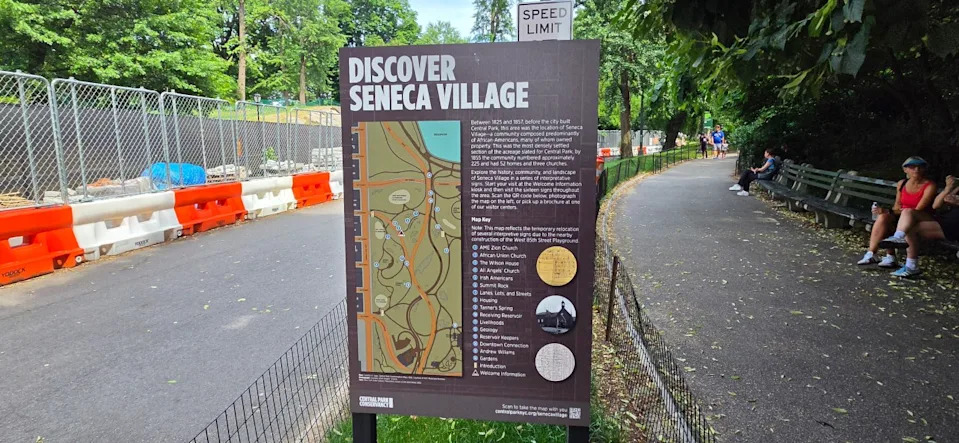
(Credit: PIX11 News)
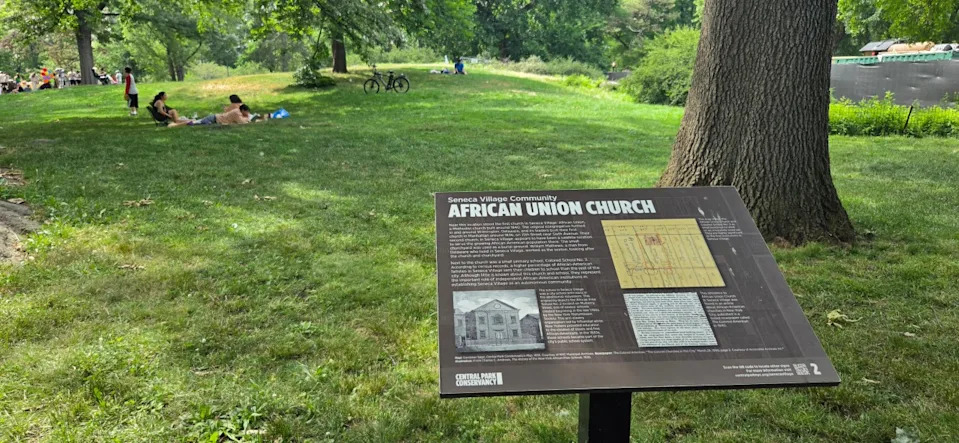
(Credit: PIX11 News)
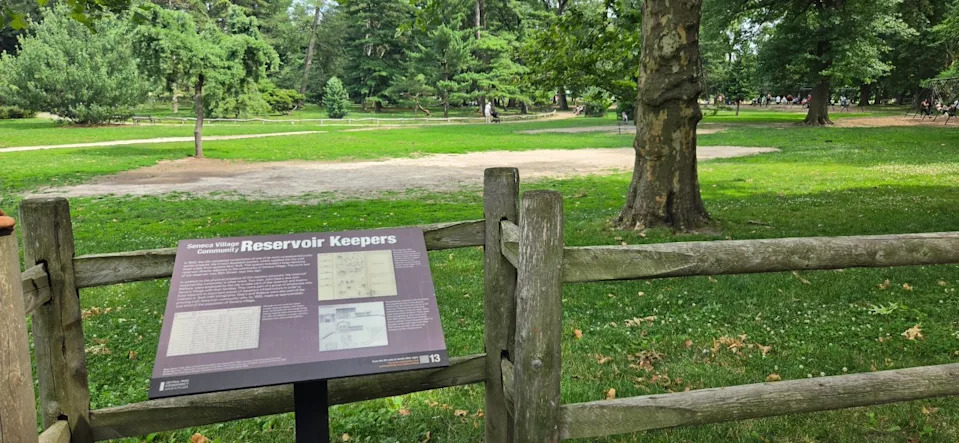
(Credit: PIX11 News)
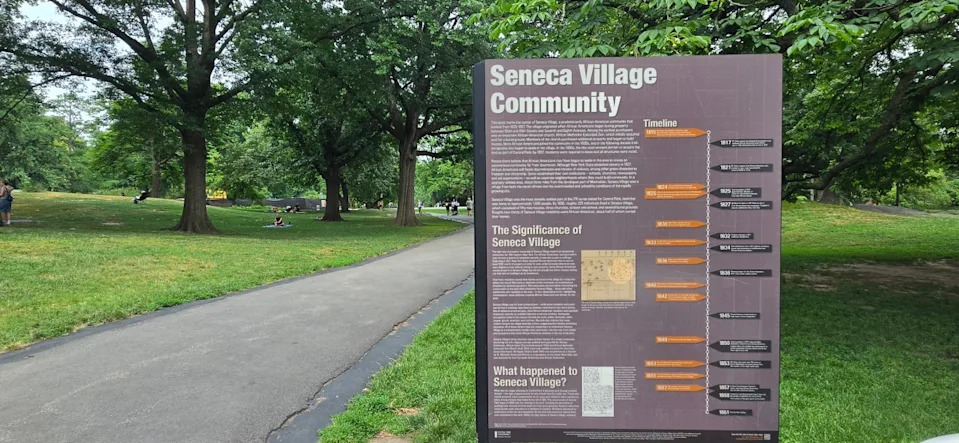
(Credit: PIX11 News)
Sandy Ground
One of the nation’s oldest free Black communities sat on Staten Island near the current-day Raritan Bay and Arthur Kill. A year after the abolition of slavery in New York, Captain John Jackson became the first Black man to purchase a home in the area of Sandy Ground, according to NYC Parks and researchers from Columbia University.
Shortly after, other freed Black families, some of whom were fleeing violence in the South, settled alongside Jackson and began building a farming community. The area originally became known as Harrisville, then Little Africa and eventually Sandy Ground, researchers for Columbia University say.
The neighborhood grew to encompass present-day Rossville, Woodrow, Pleasant Plains, and Charleston, with many oystermen from Maryland moving north for the opportunity to own property, particularly near an oyster-rich bay.
Sandy Ground came to play a monumental role in the freedom of enslaved people, with the Zion African Methodist Episcopal Church serving as a major stop on the Underground Railroad, and the Union Free School becoming the second public school on Staten Island to accept black students.
The photo below depicts Arthur Kill near Sandy Ground in 1924.
![Irma and Paul Milstein Division of United States History, Local History and Genealogy, The New York Public Library. “Arthur Kill – Tottenville – Staten Island [Richmond – Oyster trade.]” The New York Public Library Digital Collections. 1924.](https://www.newsbeep.com/us-ny/wp-content/uploads/2026/06/8d0d2d11a7658836ab91b03875274251.jpeg)
Irma and Paul Milstein Division of United States History, Local History and Genealogy, The New York Public Library. “Arthur Kill – Tottenville – Staten Island [Richmond – Oyster trade.]” The New York Public Library Digital Collections. 1924.
The Rossville AME Zion Church from the Sandy Ground era still stands and has since been dubbed a New York City landmark. Services continue to be held at the church and the legacy of the neighborhood is upkept by the Sandy Ground Historical Society.
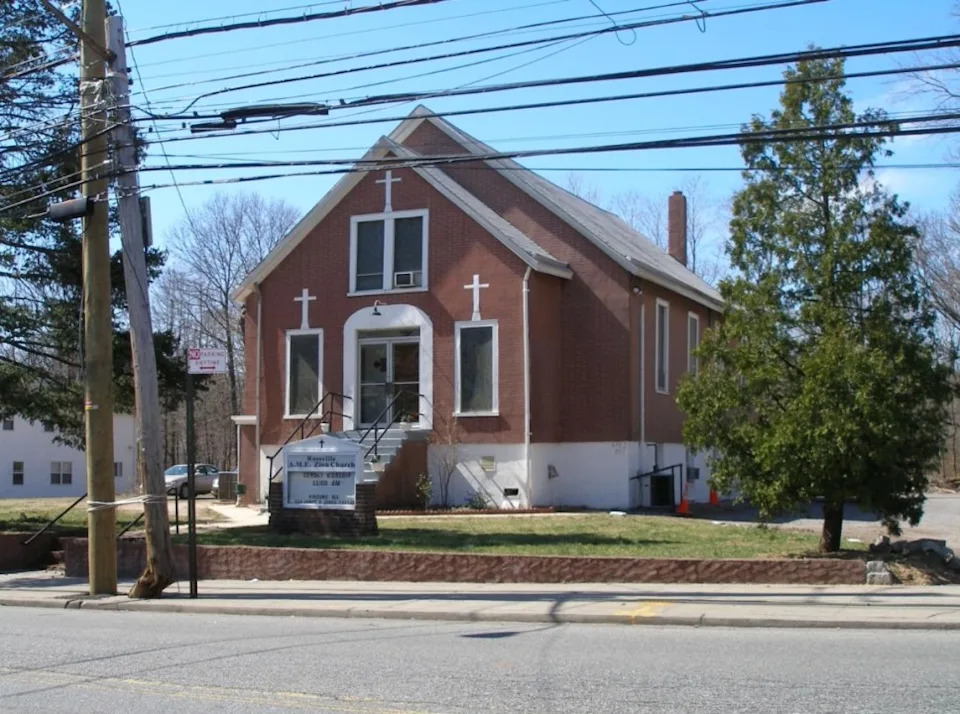
Image courtesy of the NYC Landmarks Preservation Commission.
Weeksville
In the middle of towering residential buildings in Bedford-Stuyvesant, history remains alive with the last surviving houses of Hunterfly Road in Weeksville. The 1860s-era homes were once part of one of the largest free Black communities in pre-Civil War America, according to the Weeksville Heritage Center.
In 1838, a freed man named James Weeks, for whom the neighborhood was named, purchased his first plot of land in the area with the intent of creating a place where African Americans could live freely and with dignity away from Lower Manhattan, preservers from the heritage center say.
At its height in 1855, Weeksville was made up of more than 500 people who were predominantly Black, the New York Public Library reports. At a time in history when only Black property owners were allowed to vote, Weeksville had the highest rate of property ownership among free Black neighborhoods, according to the heritage center and the library.
Weeksville became instrumental in the advancement of Black people in society, serving as a major station on the Underground Railroad and bringing forth two newspapers that helped educate the population, as reported by PBS and the New York Public Library. One of the first African American police officers and the first African American doctor in New York State hailed from the neighborhood.
Below are photographs of the Hunterfly Roads houses in the 1900s.
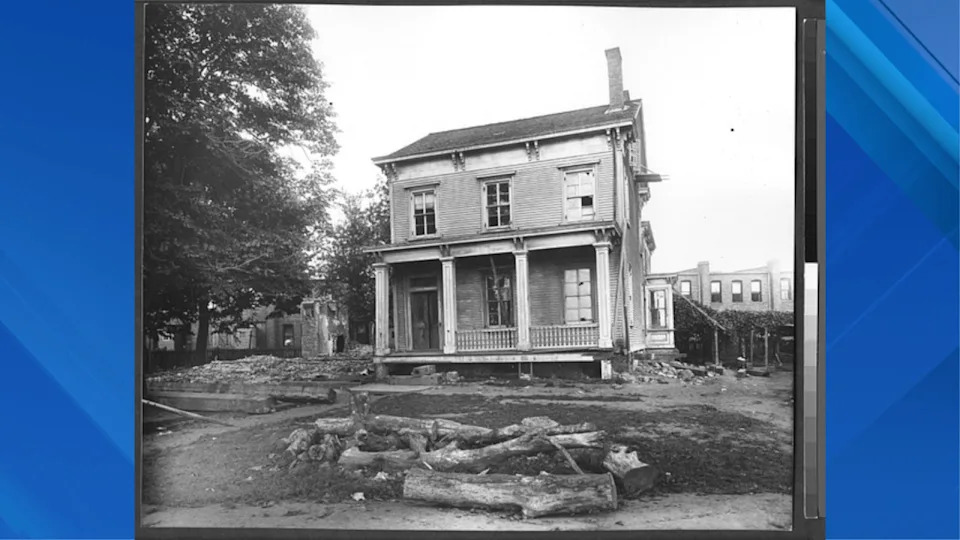
George S. Ogden photograph collection, Brooklyn Museum/Brooklyn Public Library, Center for Brooklyn History
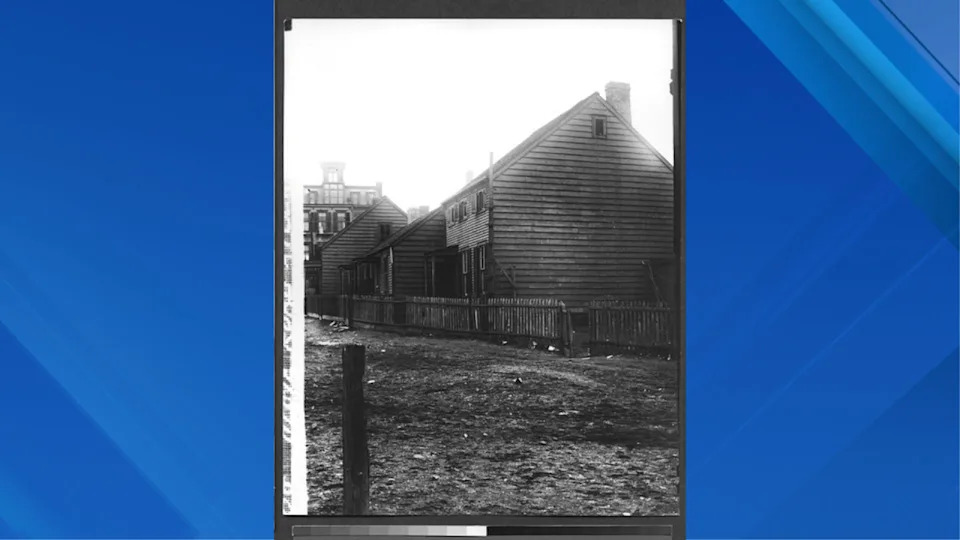
Daniel Berry Austin photograph collection, Brooklyn Museum/Brooklyn Public Library, Center for Brooklyn History
The four remaining Hunterfly Road houses were rediscovered in 1968 by historian James Hurley and pilot Joseph Haynes, along with a group of researchers and community members, according to NYC Parks. The houses became a designated landmark in 1970 and are currently used for historical tours and research by the Weeksville Heritage Center.
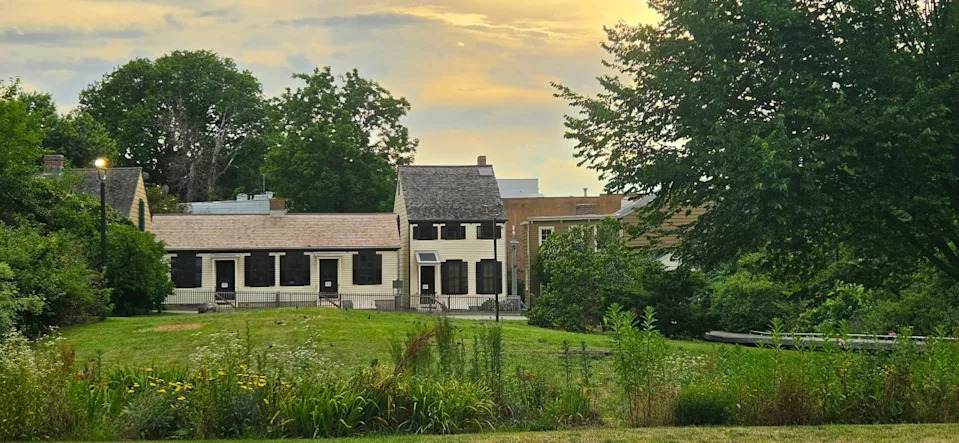
(Credit: PIX11 News)
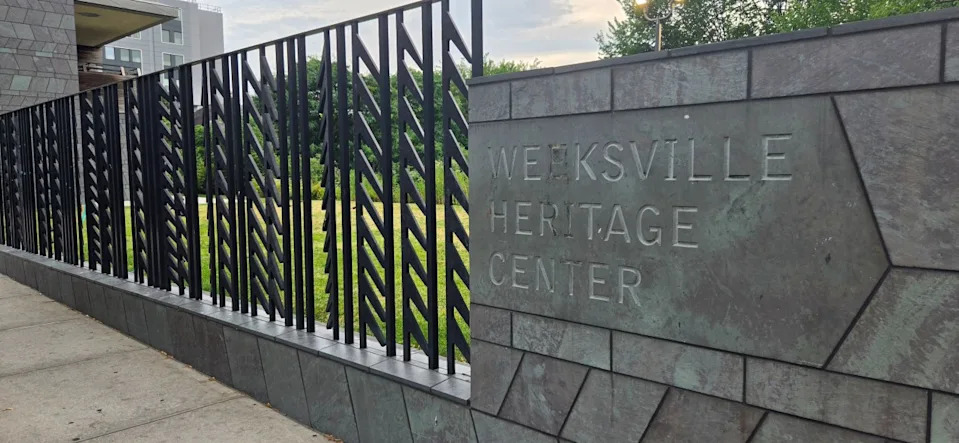
(Credit: PIX11 News)
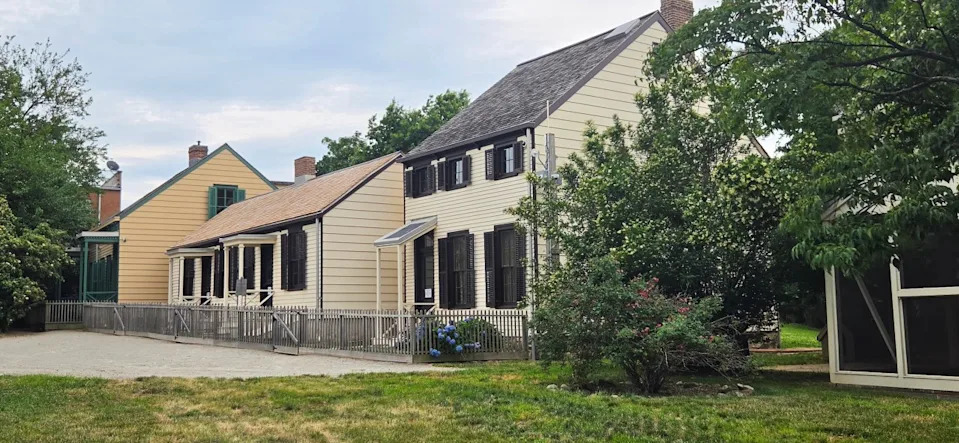
(Credit: PIX11 News)
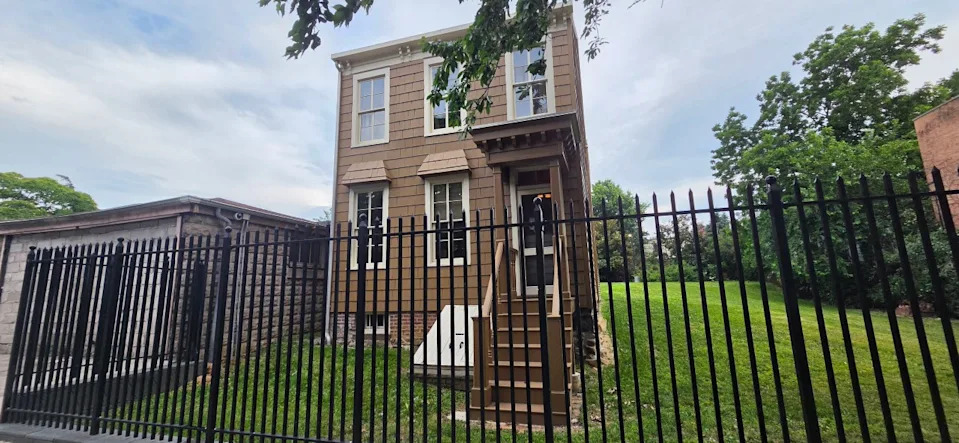
(Credit: PIX11 News)
Dominique Jack is a digital content producer from Brooklyn with more than five years of experience covering news. She joined PIX11 in 2024. More of her work can be found here.
Copyright 2026 Nexstar Media, Inc. All rights reserved. This material may not be published, broadcast, rewritten, or redistributed.
For the latest news, weather, sports, and streaming video, head to PIX11.